



the question
Sustainable construction means building as little as possible. This makes it all the more important to critically assess existing building stock and reduce CO₂ emissions through renovation and transformation. Boltt contributed substantively to the development of the new ILS for Existing Buildings, drawing on its experience with the transformation of existing and historic buildings and its BIM methodology. That expertise formed the basis for working with other parties to establish clearer agreements on information exchange.
the approach
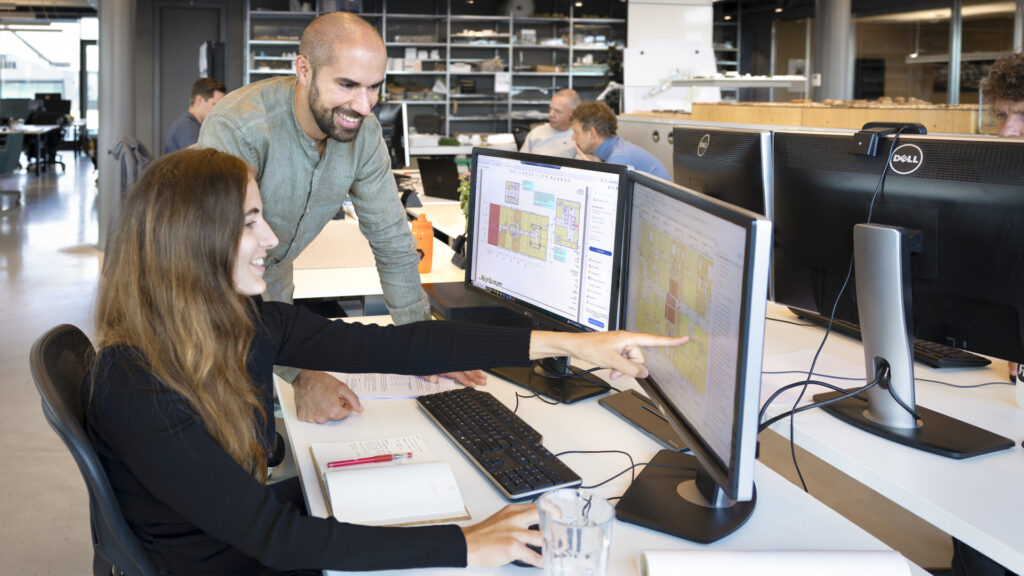
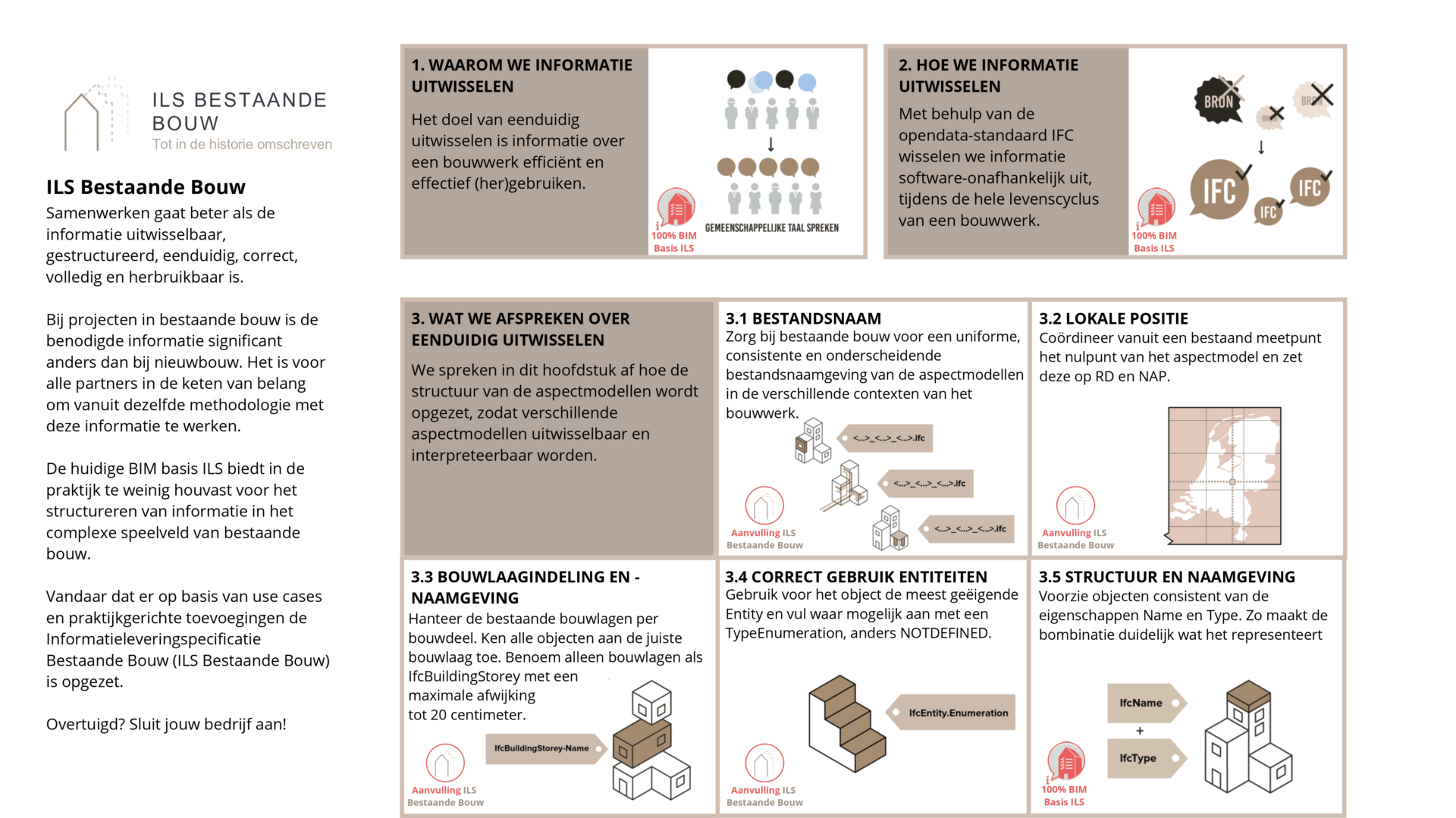
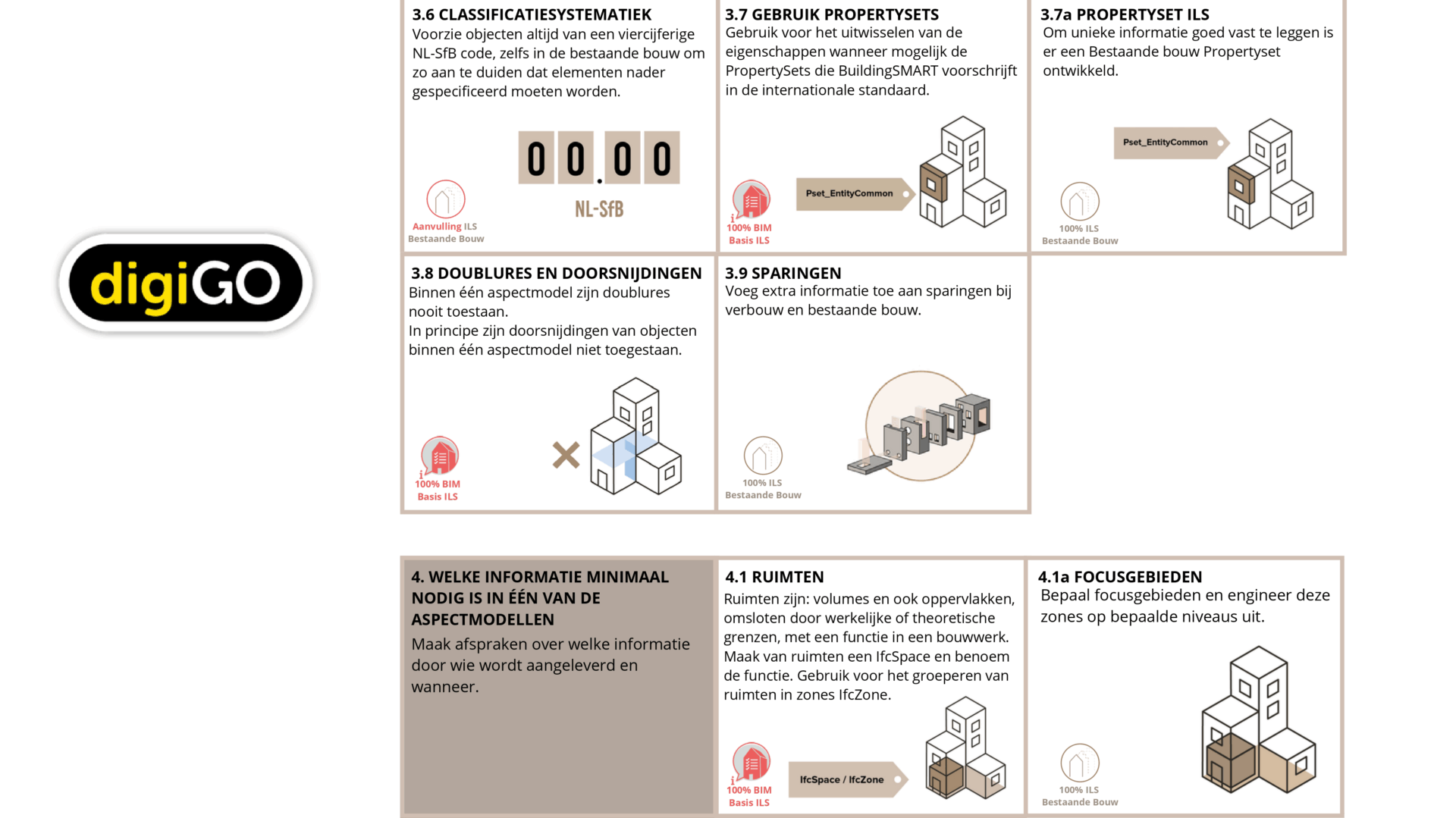
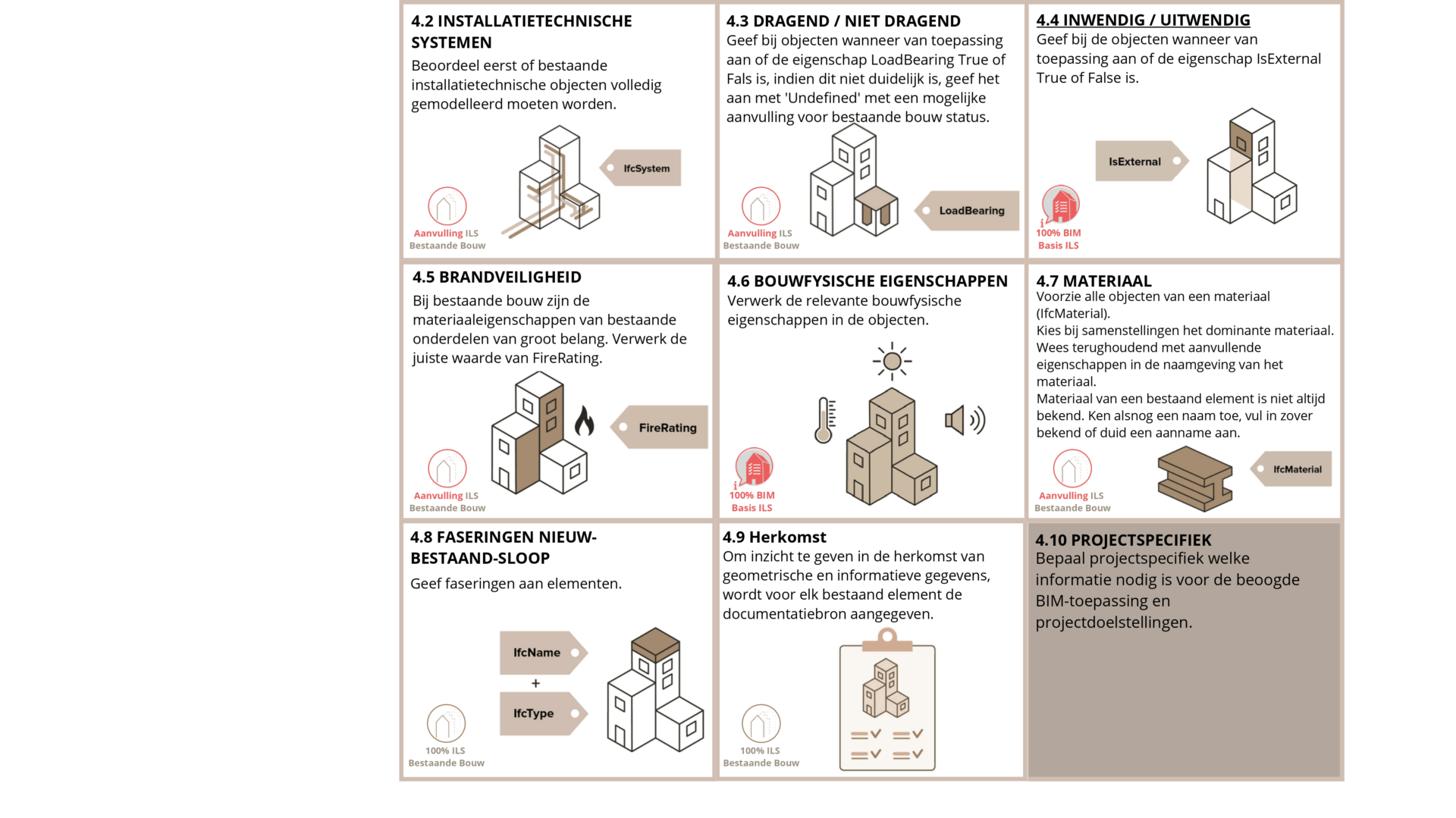
Information exchange in existing buildings differs significantly from that in new-build projects. It is therefore essential that all partners in the construction chain work according to the same methodology. The ILS Existing Buildings Working Group is developing new guidelines for information exchange in BIM. These guidelines are now being shared with the market for validation and feedback.
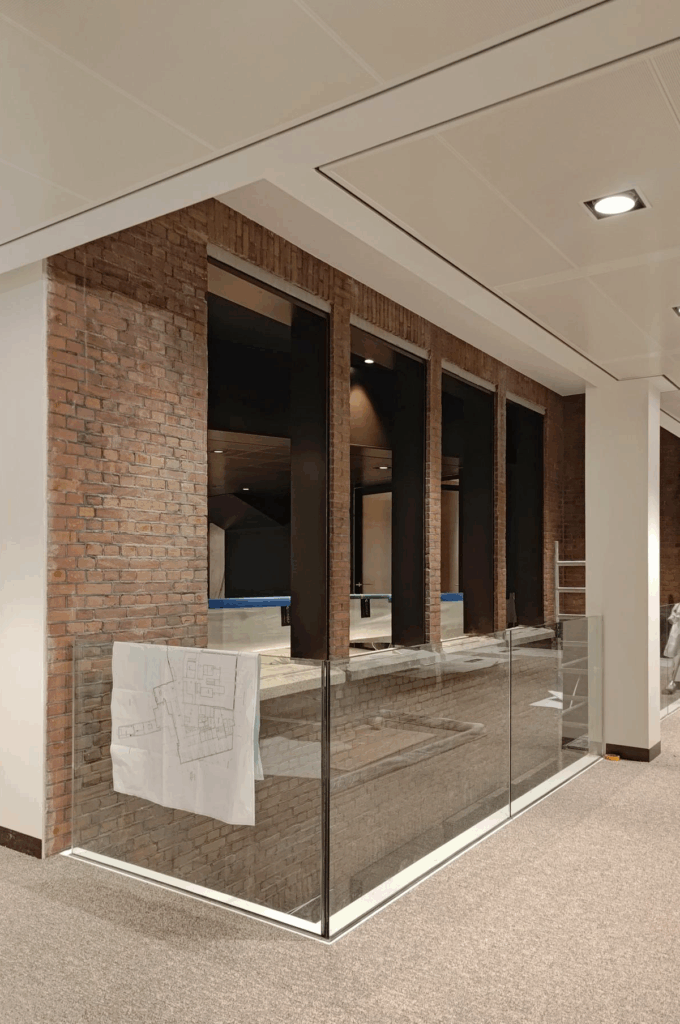
Designing for an existing building requires consideration of heritage values, structural possibilities and constraints, and the technical condition of the property. Because a BIM model functions not only as a design tool but also as a communication tool, it must be practical for all parties involved: consultants, surveyors, and contractors alike. The new ILS for Existing Buildings helps optimize the digital approach to projects involving existing buildings.
New ILS Guidelines
The BIM Basis ILS (Information Delivery Specifications) is a widely used guideline for collaboration and information exchange in new-build BIM projects. In practice, however, it offers insufficient guidance for structuring information in existing buildings. The ILS Existing Buildings Working Group began developing new guidelines for existing buildings in 2023. The resulting ILS has been established on the basis of use cases and practical additions.
Click here for the ILS Existing Buildings.
year
2025
services
BIM Coordination
BIM Implementation
Collaboration
Rijnboutt, BiermanHenket, Office Winhov, restoration contractor Nico de Bont | TBI, contractor Dura Vermeer, MEP consultants Huisman & van Muijen, and consulting firm Baseline
Want to make your building future-proof too?
We advise on sustainability measures and the BIM approach best suited to your project and requirements.
Call Jurriën at 06 – 52575476
Sure, you can also email jurrien@boltt.nu
More work we're proud of at
{"post_type":"case","posts_per_page":"4","post_status":"publish","ignore_sticky_posts":true,"order":"DESC","orderby":"date","s":"","tax_query":[{"taxonomy":"service","field":"term_id","terms":[3,4,6,5]}]}
the question
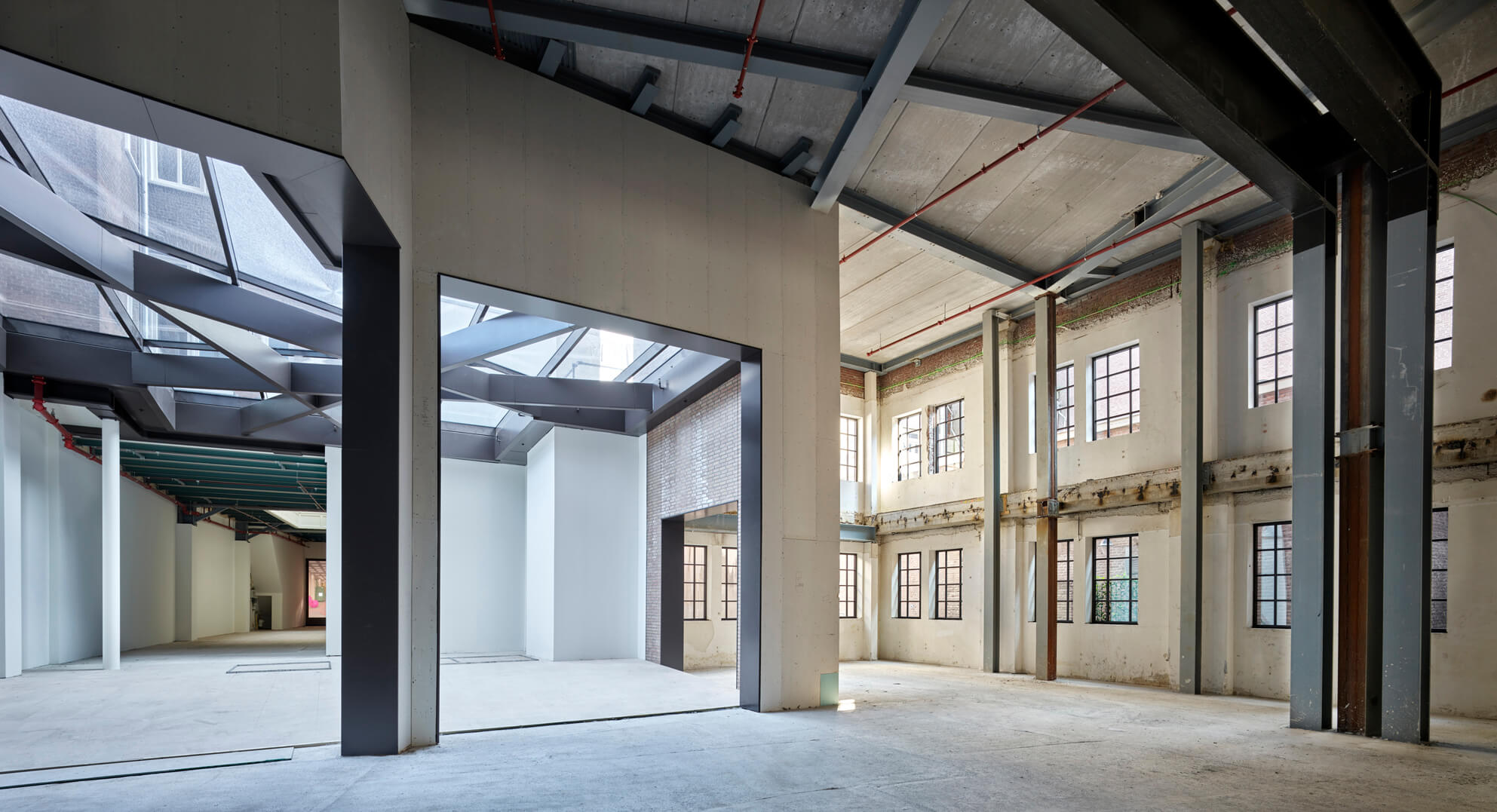
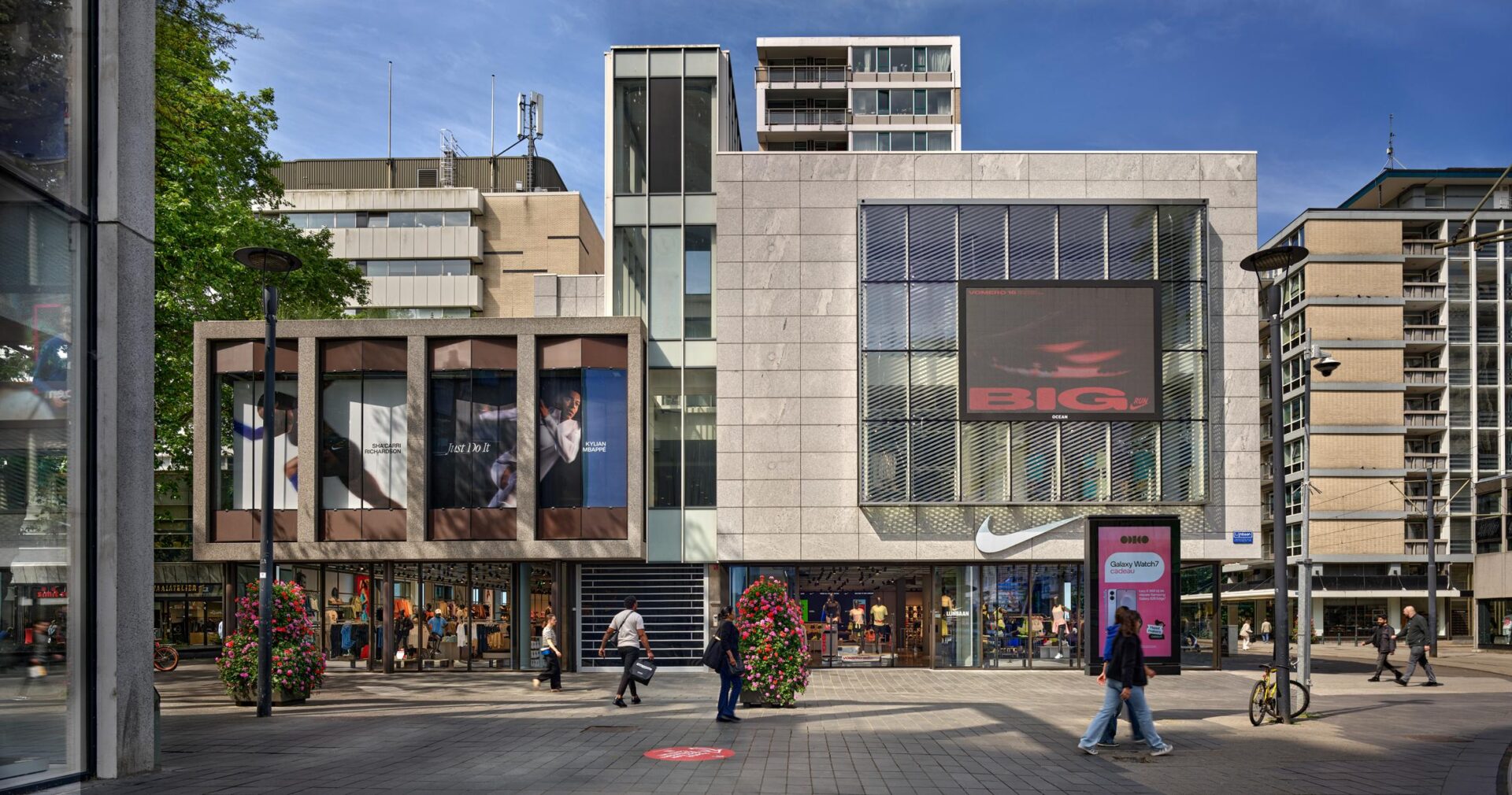
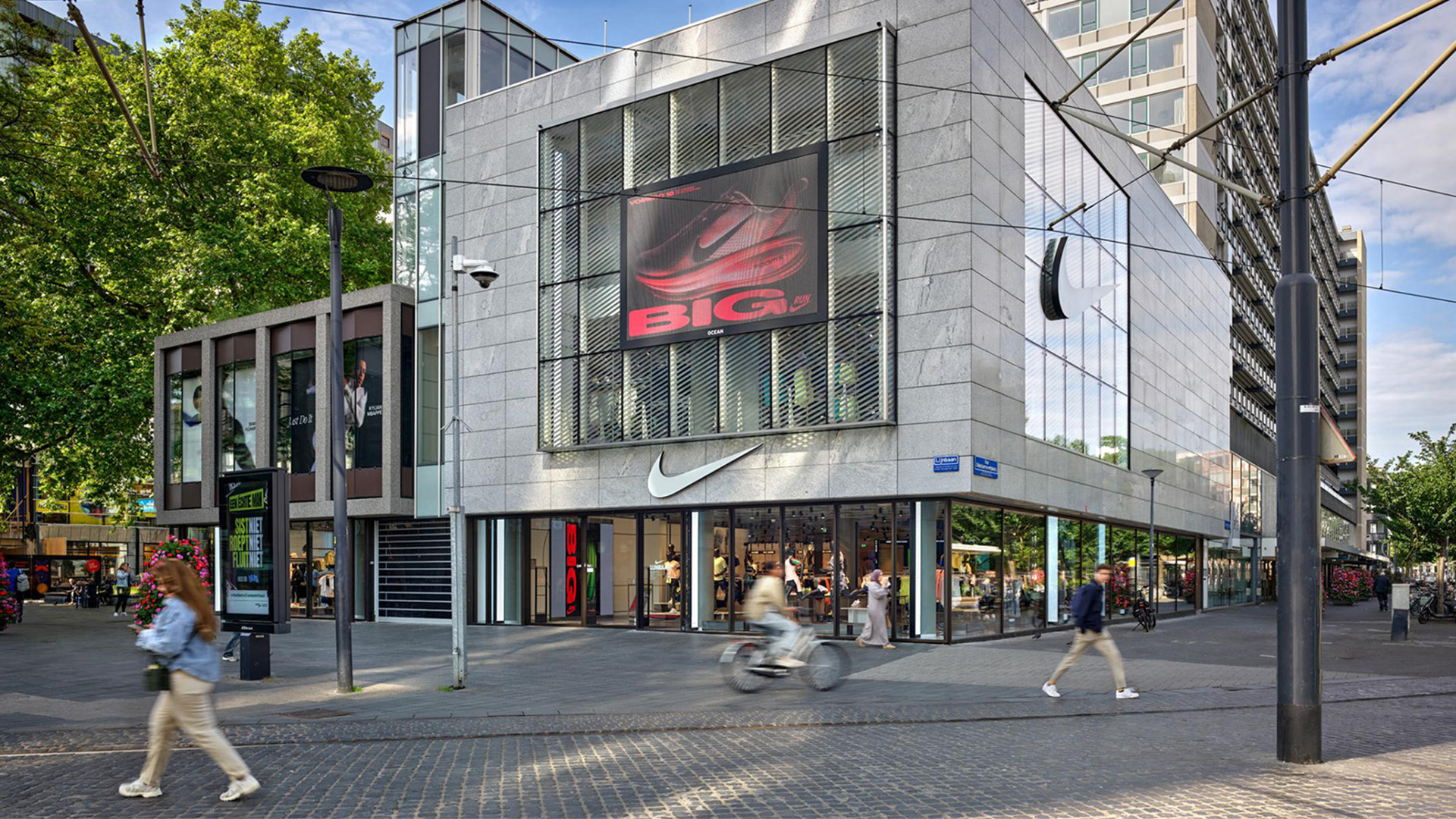
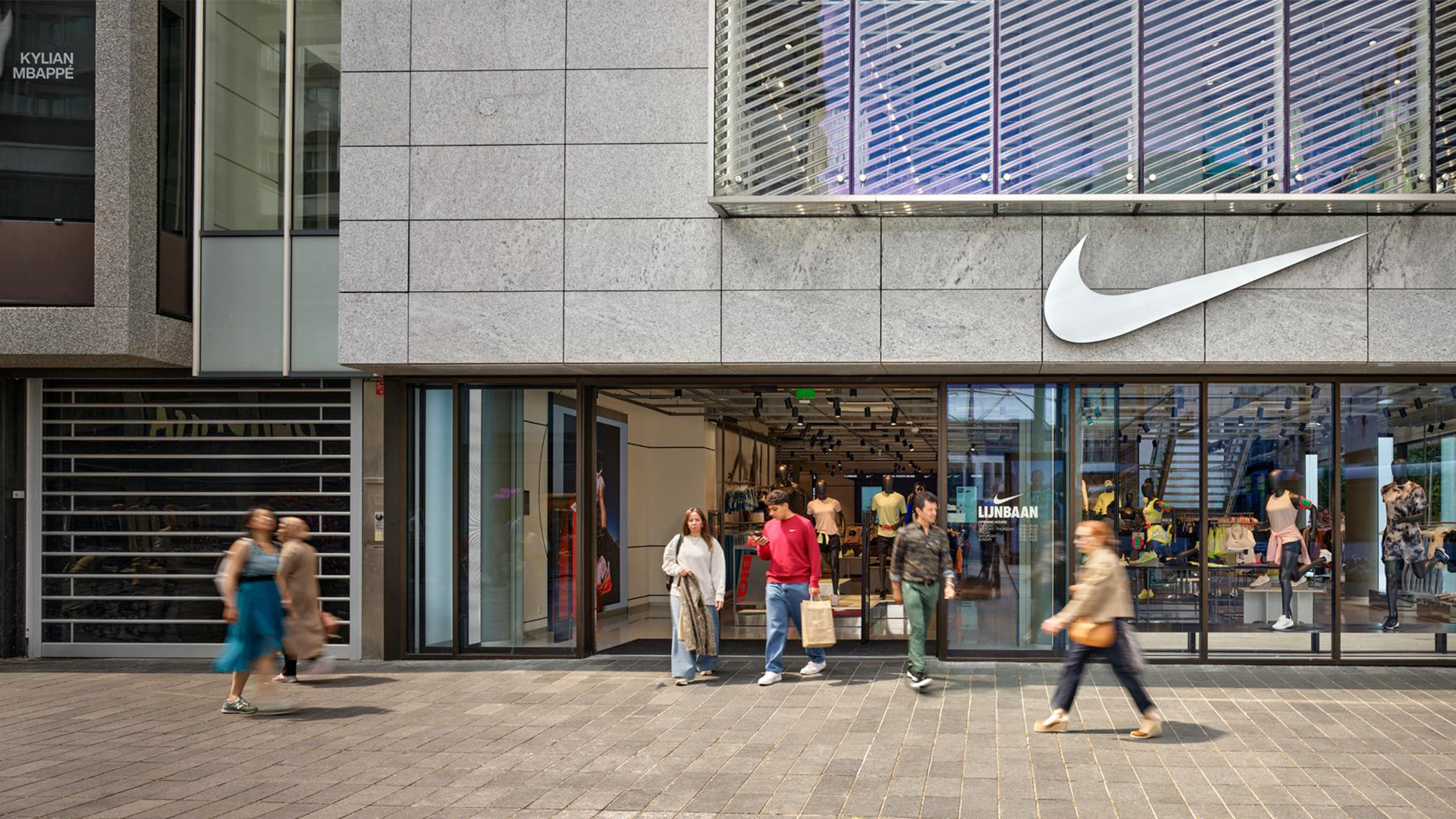
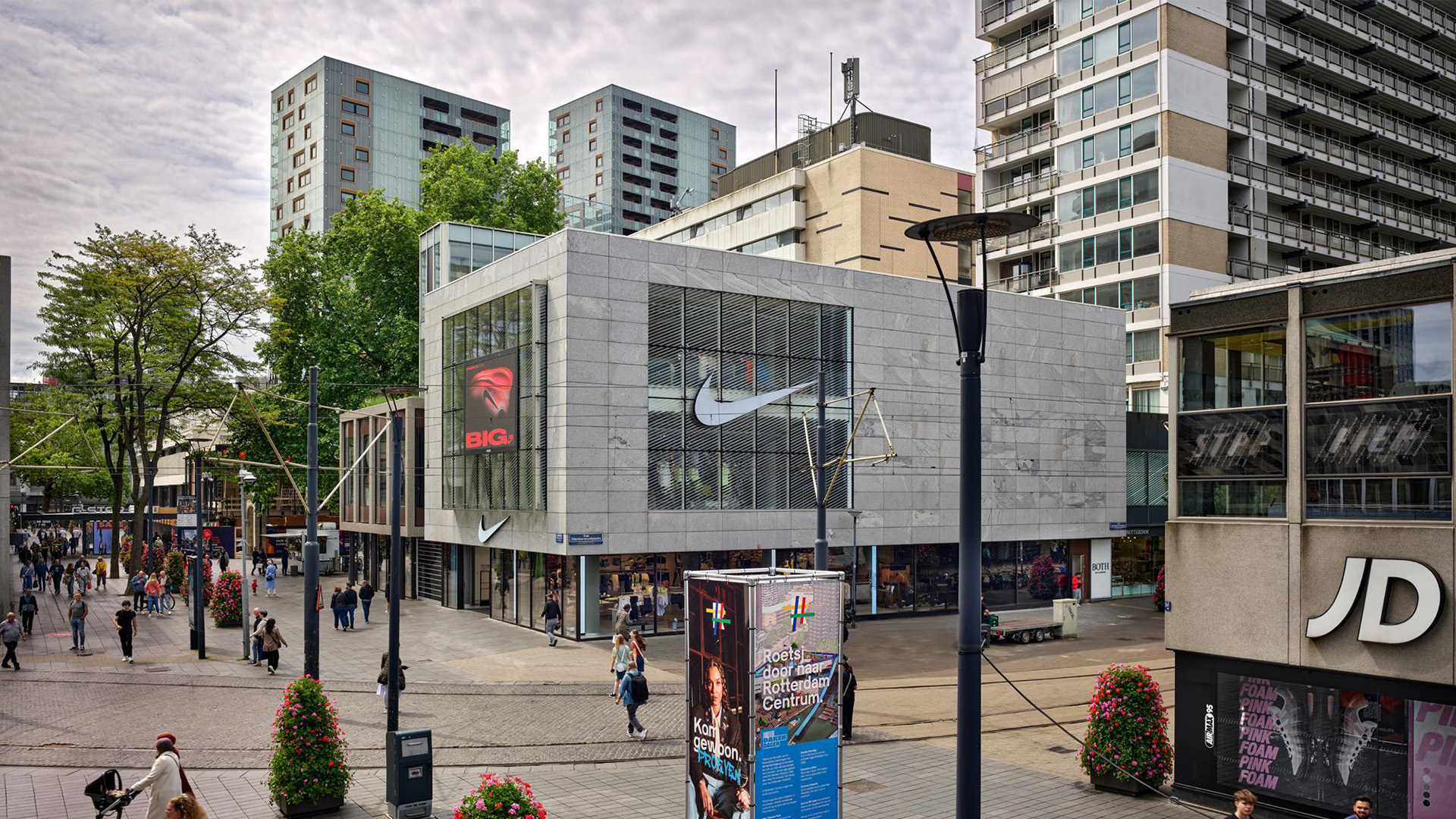
Bouwinvest Real Estate Investors commissioned Boltt to combine two retail properties at Lijnbaan 101–105 and 111 in Rotterdam into what was to become Nike’s largest store in Europe. This also created an immediate opportunity to improve the building’s sustainability performance.
Because Nike was aiming to open in early 2025, the project was subject to a tight schedule. This required an efficient permitting process and careful construction planning, with early attention to the most effective overall approach.
During both the design and construction phases, Boltt also acted as a sounding board for construction management firm Bouwplot and produced a series of visualisations for Nike.
the approach
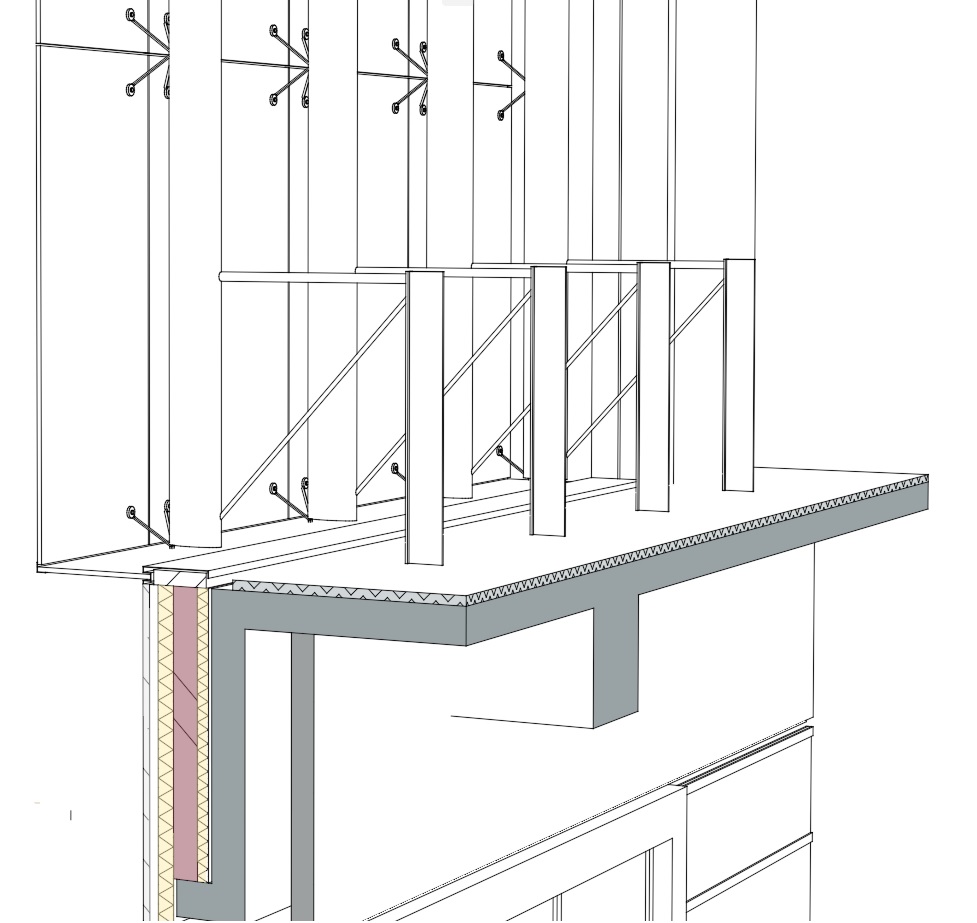
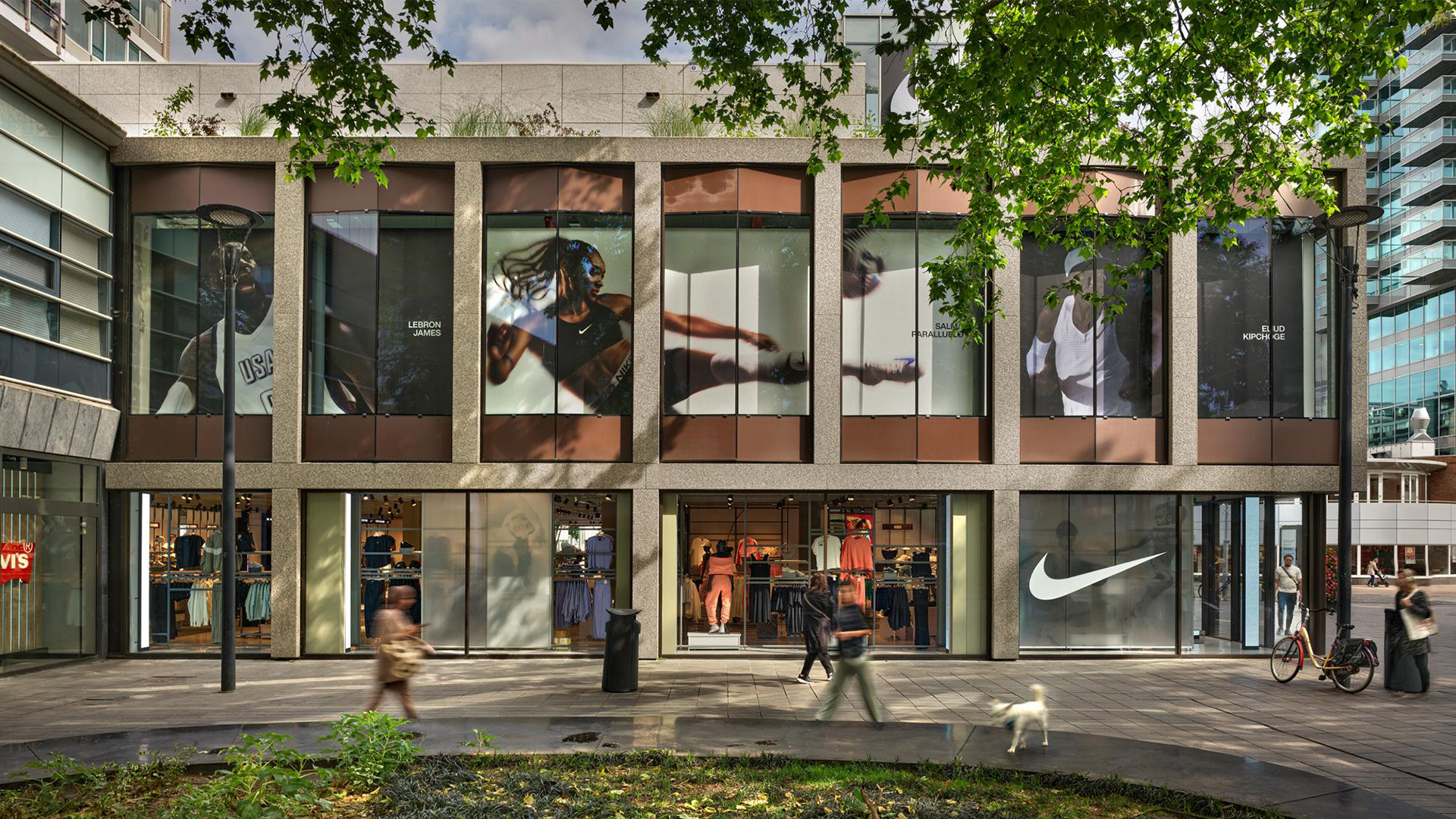
Lijnbaan 101–111, originally designed by Krijgsman and Van Duin Architects and completed in 1967, has been renovated several times over the years. In 1998, D&T van Manen Architects carried out a renovation in which two large Octatube curtain-wall facades were added.
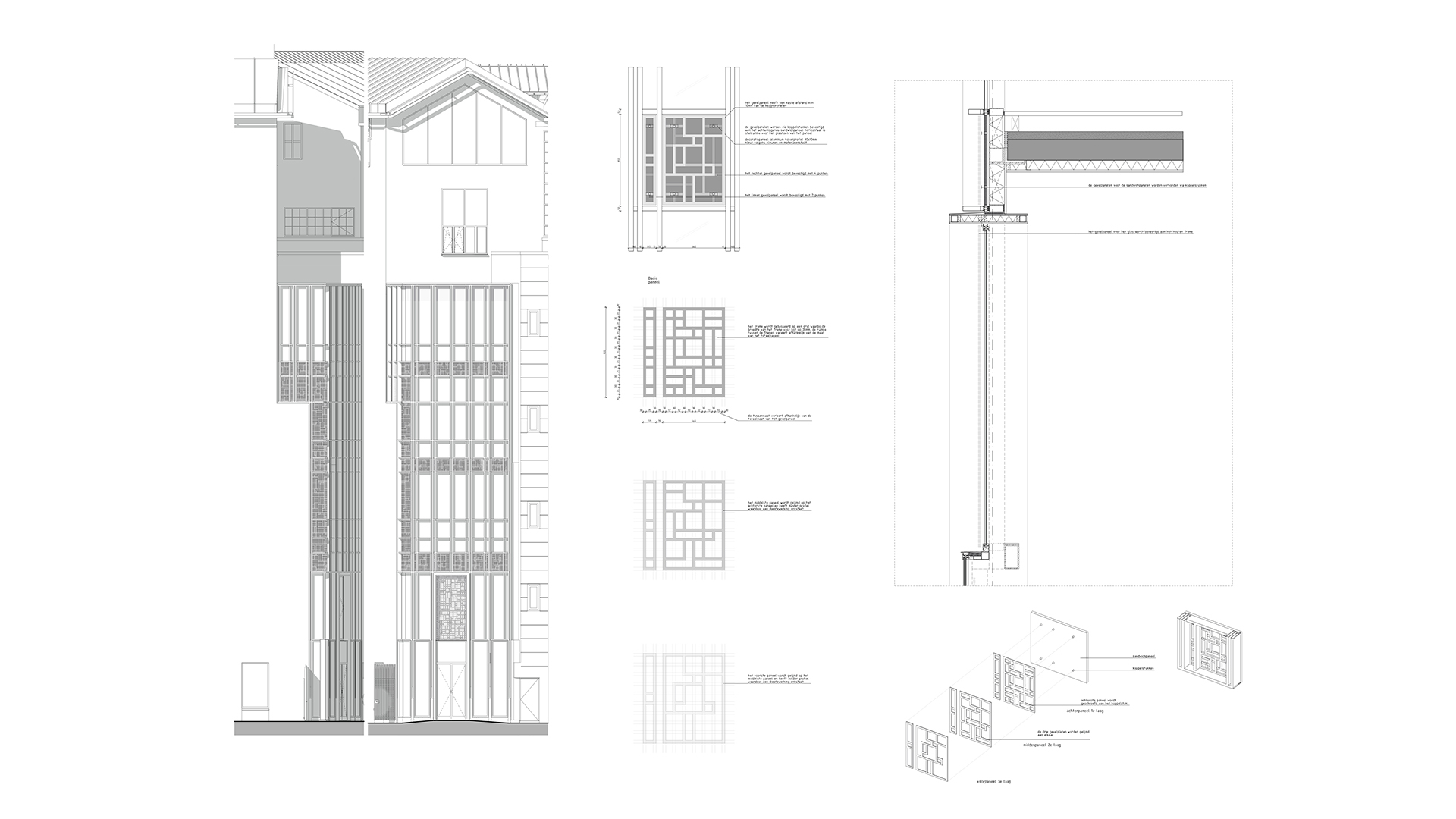
Boltt asked Octatube to investigate whether the single glazing in these facades could be replaced with more sustainable alternatives. For Octatube, which is increasingly involved in this kind of sustainability challenge, this formed a relevant part of the project. Octatube subsequently contributed to the engineering. The facade of the left-hand section, designed by Mei architects and planners, was completed in the summer of 2023.
Together with project manager Bouwplot, Boltt developed an action plan to improve the sustainability of the two buildings and merge them into a single retail environment. In a series of short, focused sprints, the existing condition, the documents for the environmental permit application and the construction drawings were worked out in parallel.
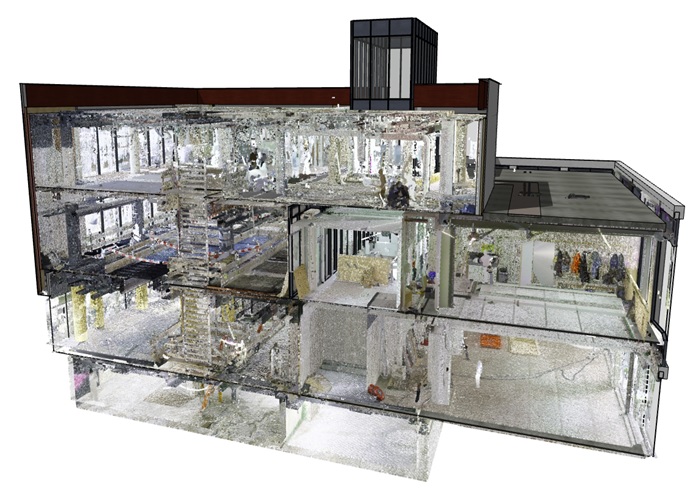
Using archival drawings, Boltt incorporated the existing condition into a BIM model, which also formed the basis for the environmental permit application. This integrated model also included Nike’s requirements. The partition walls between the two buildings were removed, a new customer staircase and elevator shaft were introduced, a new storage area was added, and the entrance was moved from Lijnbaan 111 to Lijnbaan 105.
Boltt also prepared the construction drawings for contractor J.P. van Eesteren. PelserHartman first produced a point cloud of the existing condition, which Boltt then processed and integrated into the BIM model together with the suppliers’ models. Boltt also coordinated the process as a whole.

“I greatly enjoyed working on the merger of two buildings on the Lijnbaan in Rotterdam. In collaboration with Nike, the contractor and the consultants, we redesigned the base and shell of the building. It was rewarding to help create a more sustainable space aligned with Nike’s vision.”
Kübra Kaçar, Technical Designer
The result
Within a short timeframe, Boltt combined two retail properties into what became Europe’s largest Nike store on the Lijnbaan in Rotterdam. Acting between Bouwinvest, Nike, and J.P. van Eesteren, Boltt coordinated the sustainability measures, design requirements, and construction process. With renovated facades, solar panels, and upgraded glazing in the Octatube curtain walls, the store was completed at the end of 2024, a more future-proof building and a new addition to the Lijnbaan.
client
Bouwinvest
year
2024
services
BIM Coordination
BIM Implementation
Image
Visualizations: Boltt
Photos: Kees Hummel
Collaboration
Building Lot, DGMR, J.P. van Eesteren, Octatube, Pieters Bouwtechniek
Collaborating and working together.
Within the same process and toward the same goal.
Step by step… carefully… passionately…
Space for each other and for personal growth.
But always together. Solid = solid!
That’s BOLTT.
Want to make your building future-proof too?
We advise on sustainability measures and the BIM approach best suited to your project and requirements.
Call Jurriën at 06 – 14 85 35 74
Or feel free to email jurrien@boltt.nu
More work we're proud of at
{"post_type":"case","posts_per_page":"4","post_status":"publish","ignore_sticky_posts":true,"order":"DESC","orderby":"date","s":"","tax_query":[{"taxonomy":"service","field":"term_id","terms":[3,4,6,5]}]}
the question
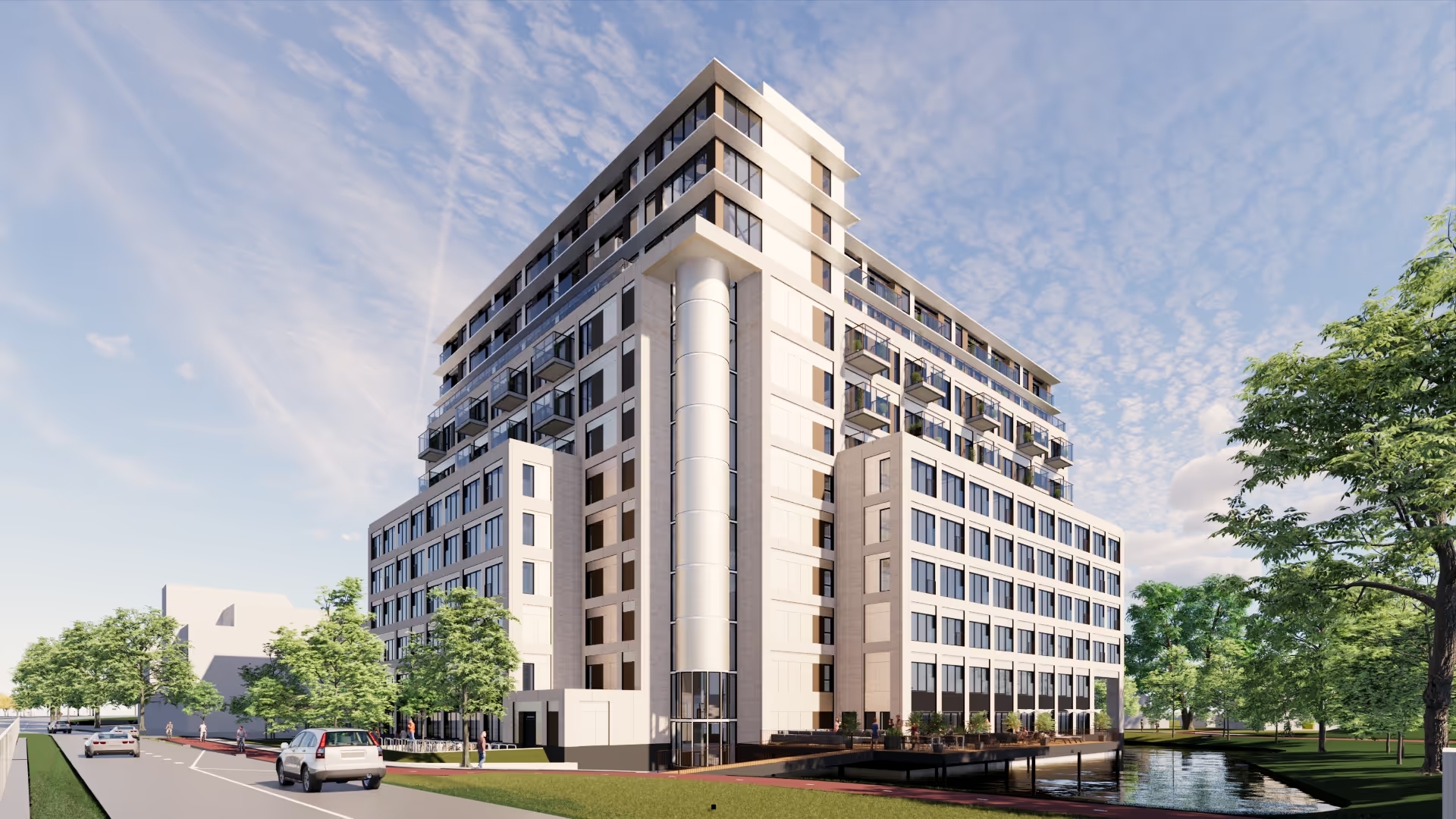
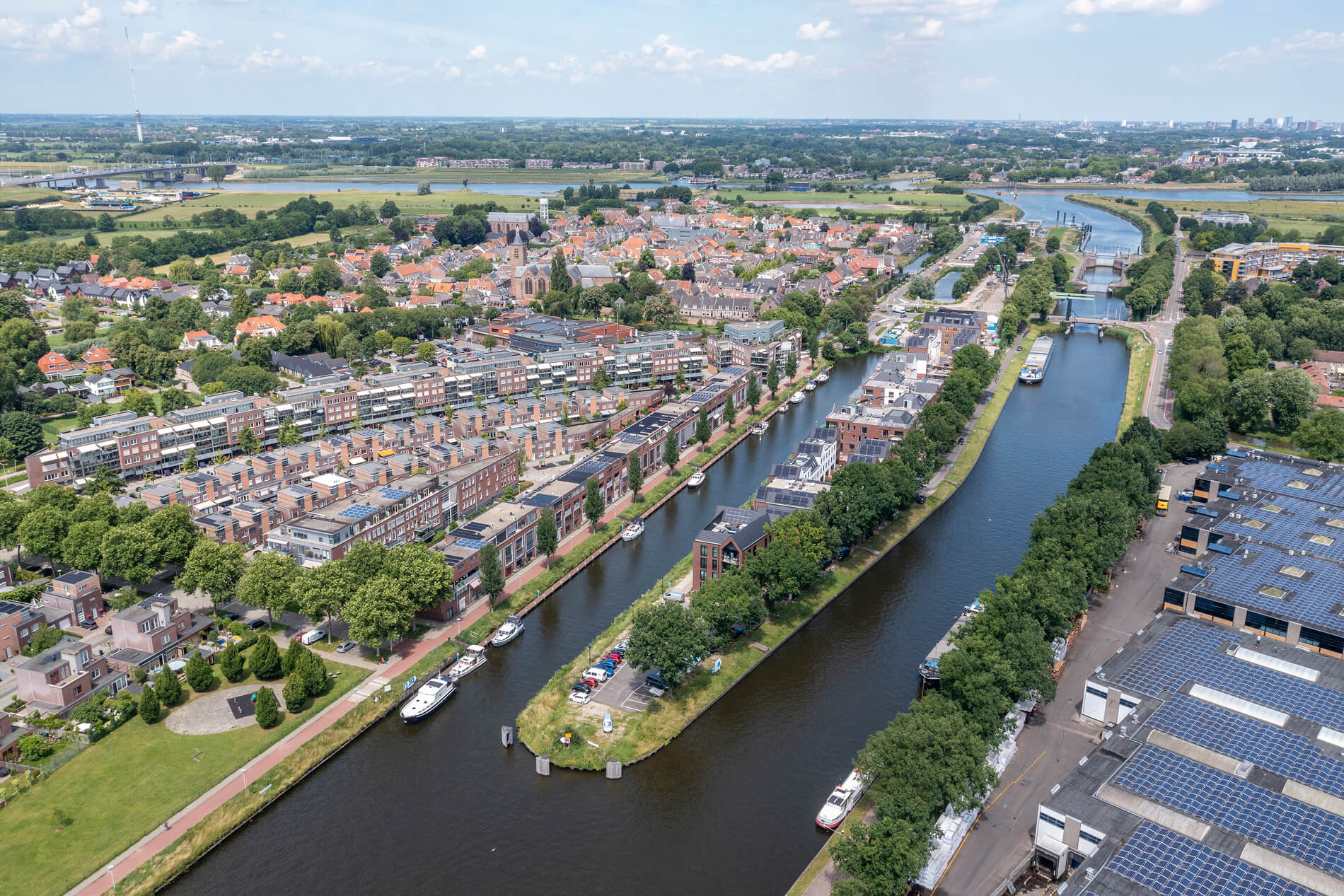
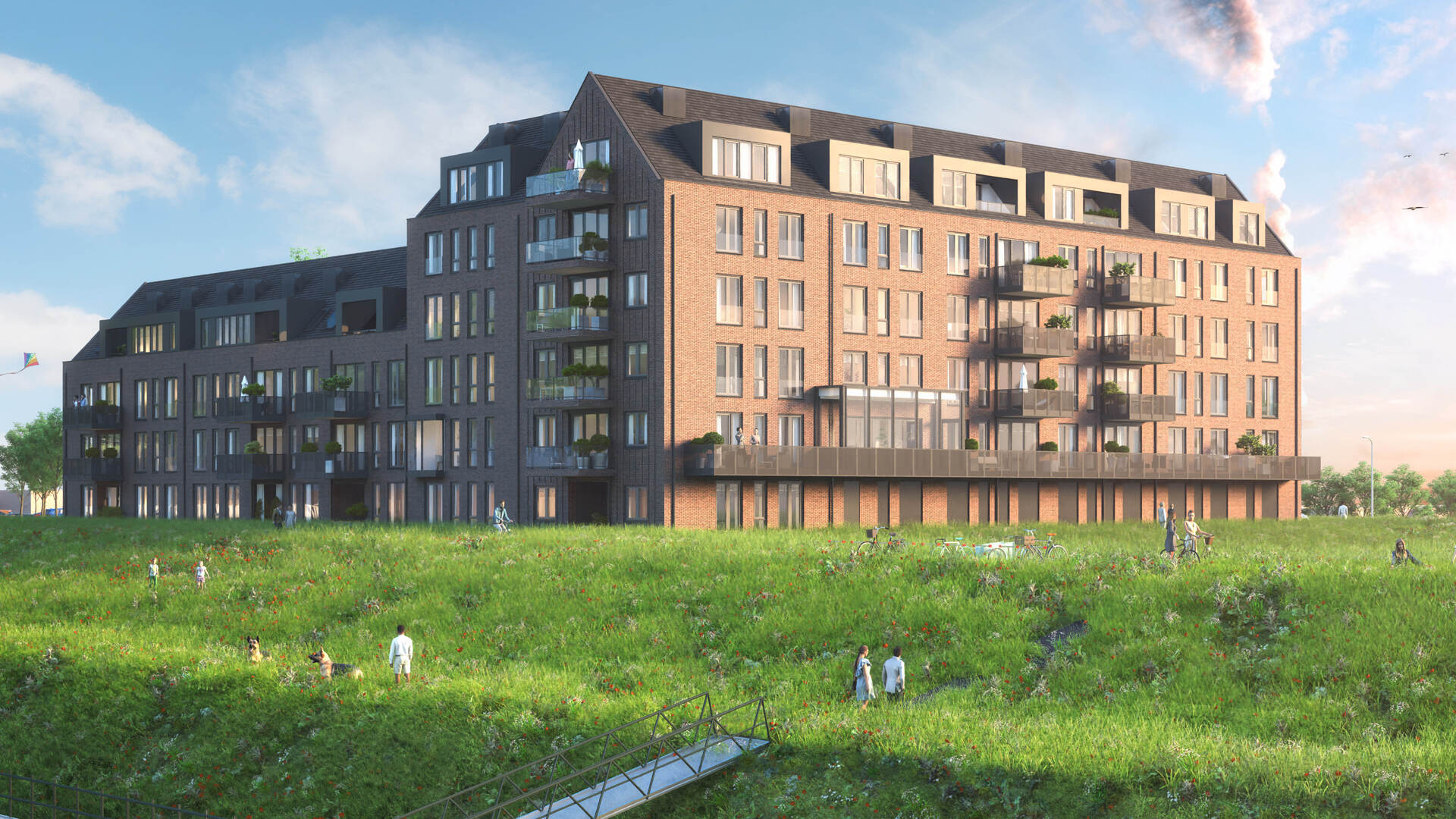
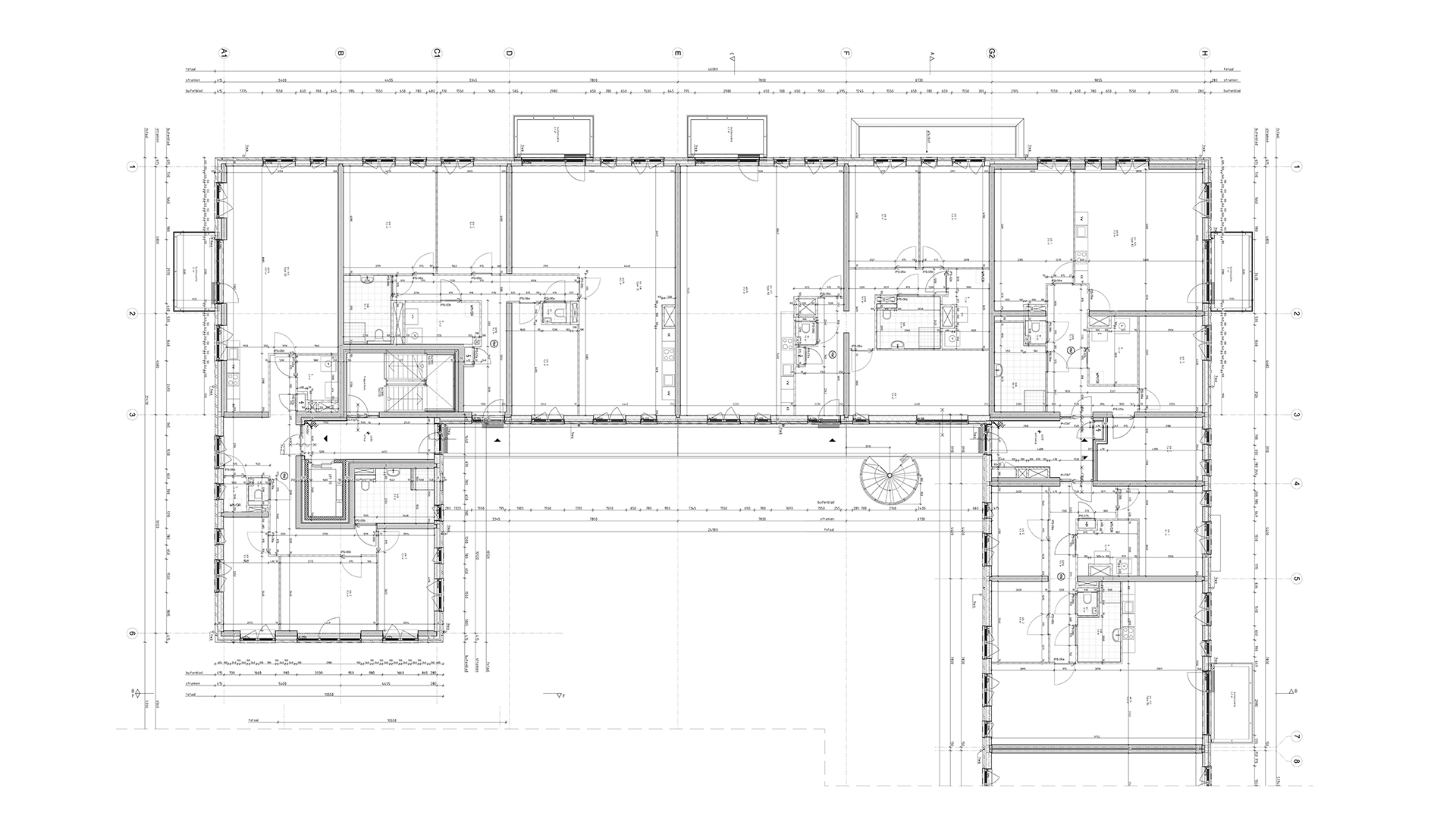
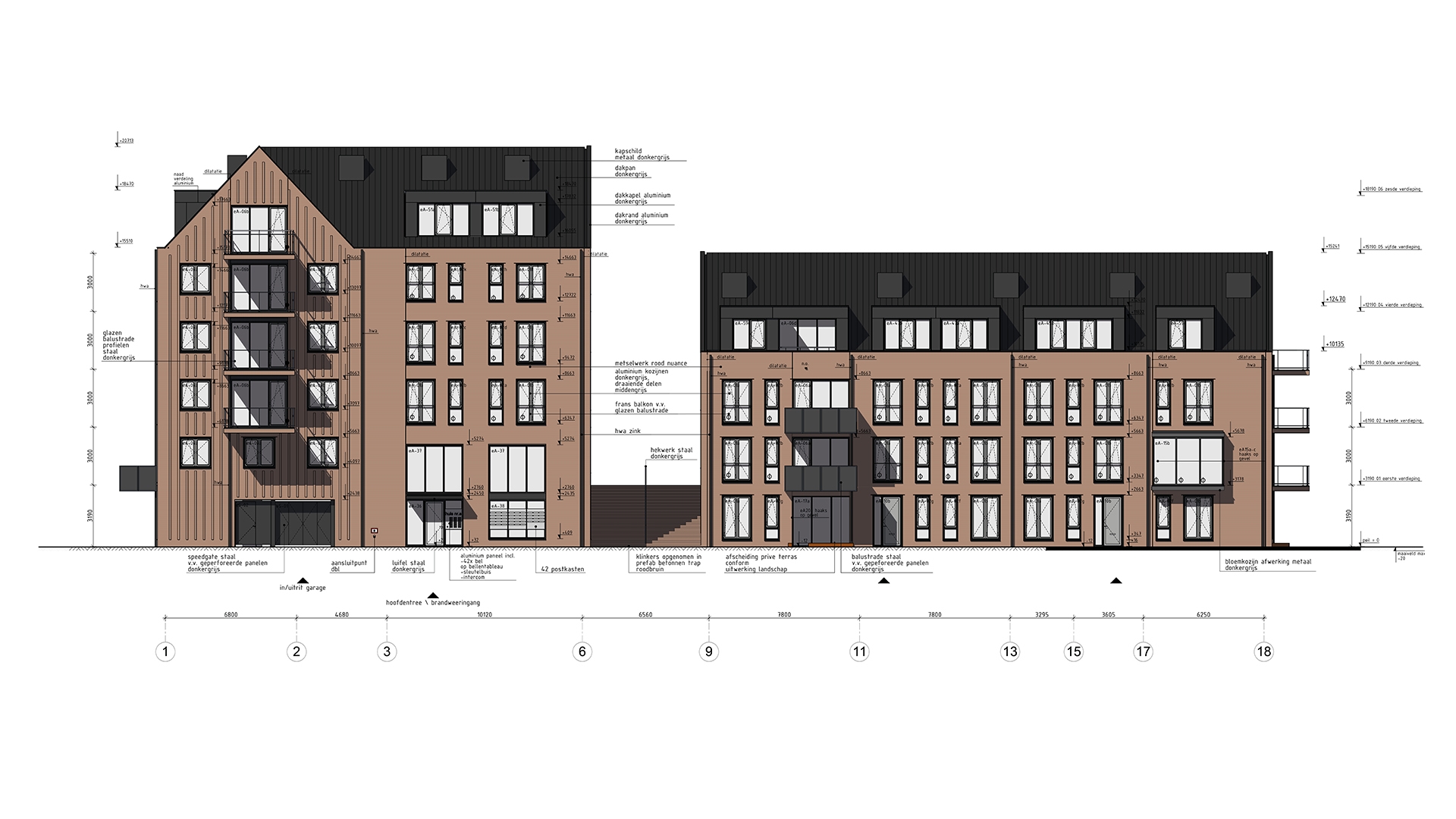
With a new design for Sluiseiland in Vianen, the design team comprising Rijnboutt (urban planning and landscape architecture), Heren 5 (architecture) and Witteveen+Bos (structural engineering) won the tender commissioned by Smit’s Bouwbedrijf. Boltt was responsible for the technical design of Kop Noord, the final section of the island. The residential building, comprising 44 apartments, a parking garage and a communal roof garden, was developed in close collaboration with contractor SBB. Throughout the project, BIM and close coordination proved essential to its feasibility.
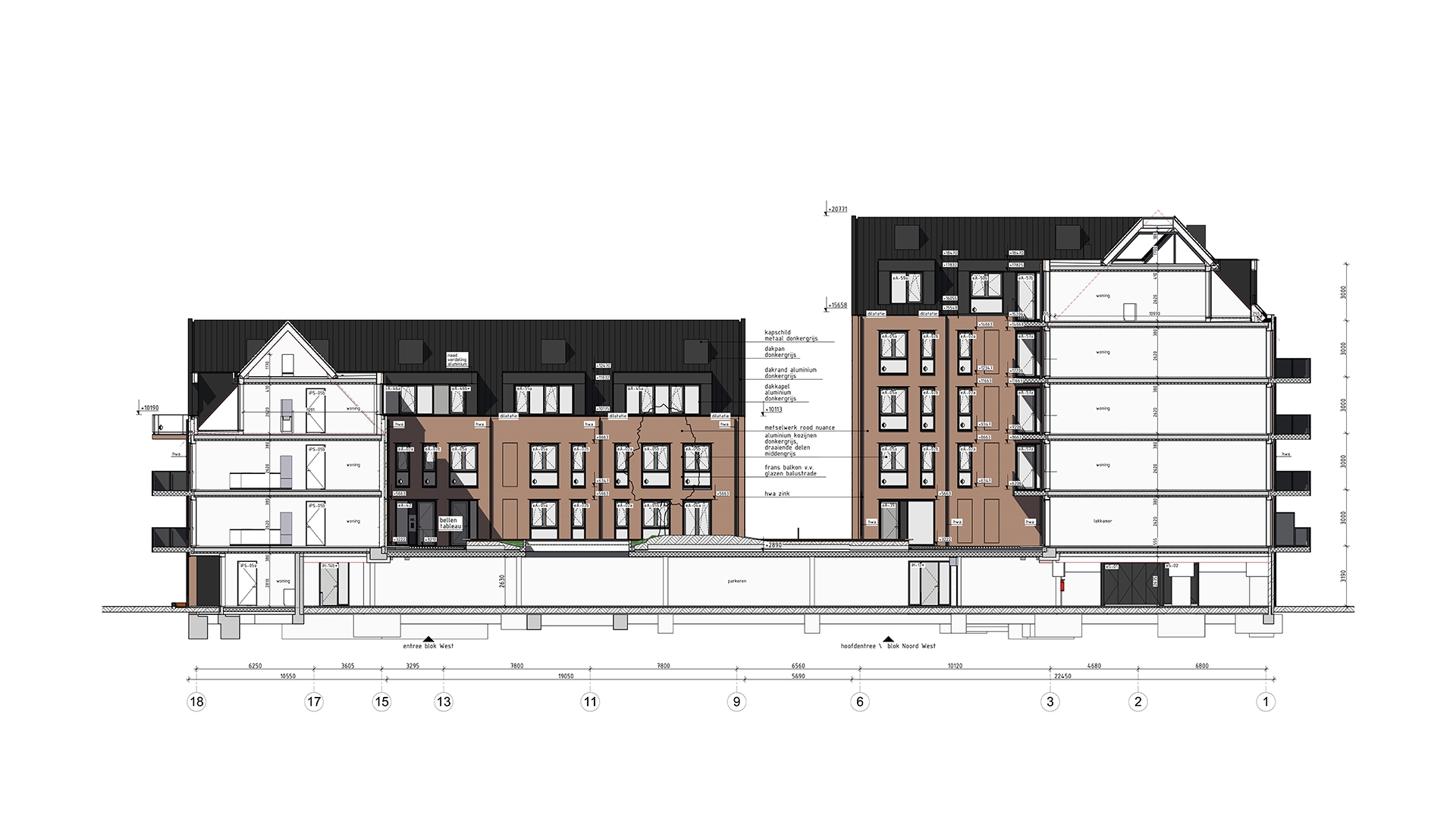
the approach
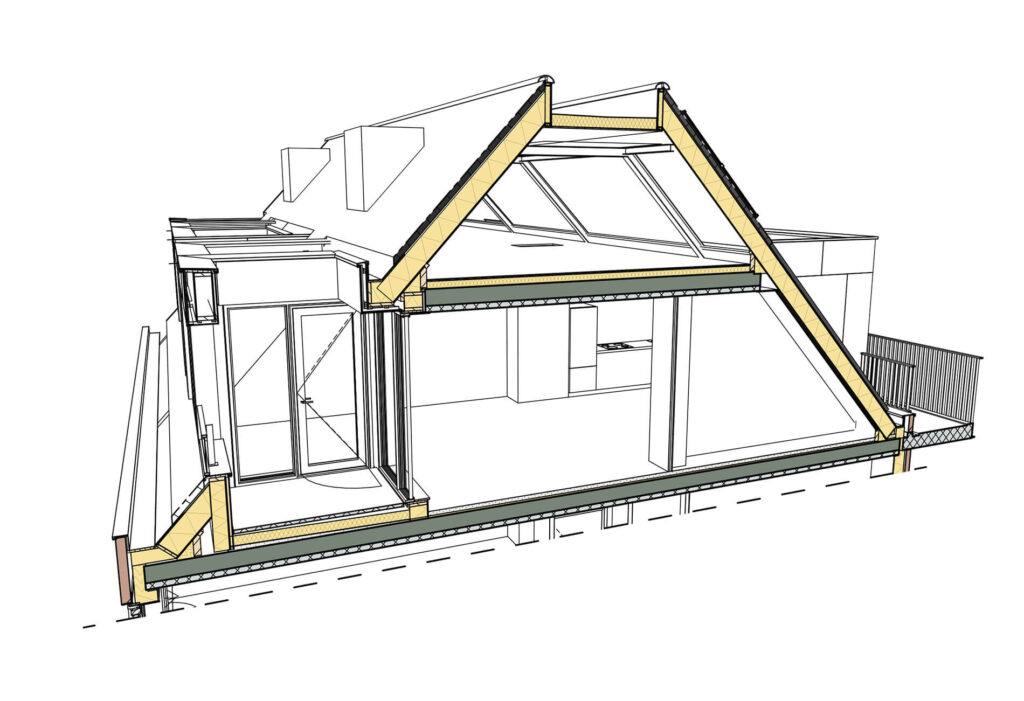
Together with SBB Ontwikkelen en Bouwen, a strategy was developed for the construction phase that responded to the tight schedule and the expectations of all parties involved. Before construction began, feedback was gathered from the contractor and co-makers on the architectural principles of the final design. These principles were then incorporated into the 2D detailing and construction sections, aligning the design dossier with the construction process to come.
The BIM strategy was subsequently coordinated in full. The digital information cards developed by SBB played a key role in this process. These cards specify both the architectural information to be included in each element and the geometric representation required for that element across the different phases. SBB coordinated this information with the co-makers, and it formed the basis for the construction process.
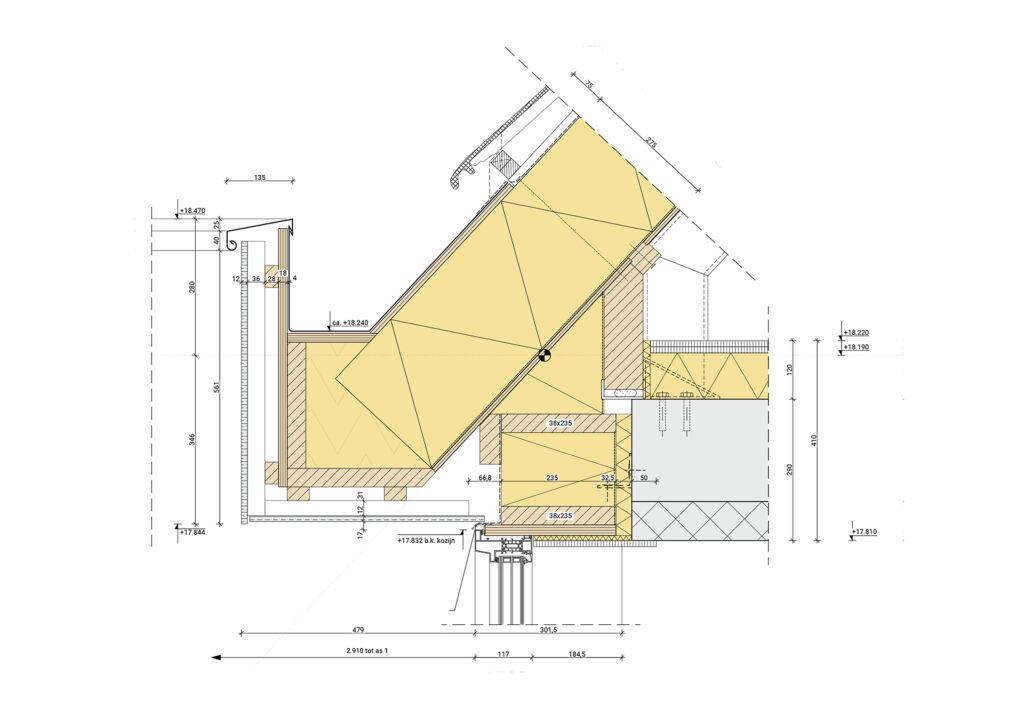
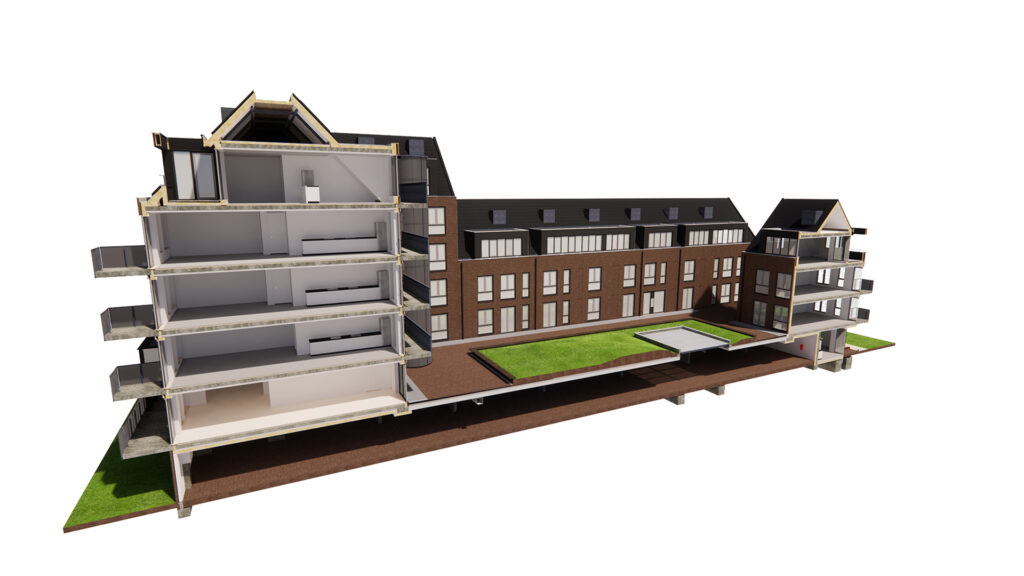
To ensure close coordination between all parties, Boltt developed digital mock-ups of various building components, with specific attention to model quality, architectural elements and BIM data. To support the construction process, the model was developed in line with the construction schedule. The longer the lead time for a component, the earlier it was incorporated into the BIM model. This approach was made possible through close consultation and collaboration with SBB.
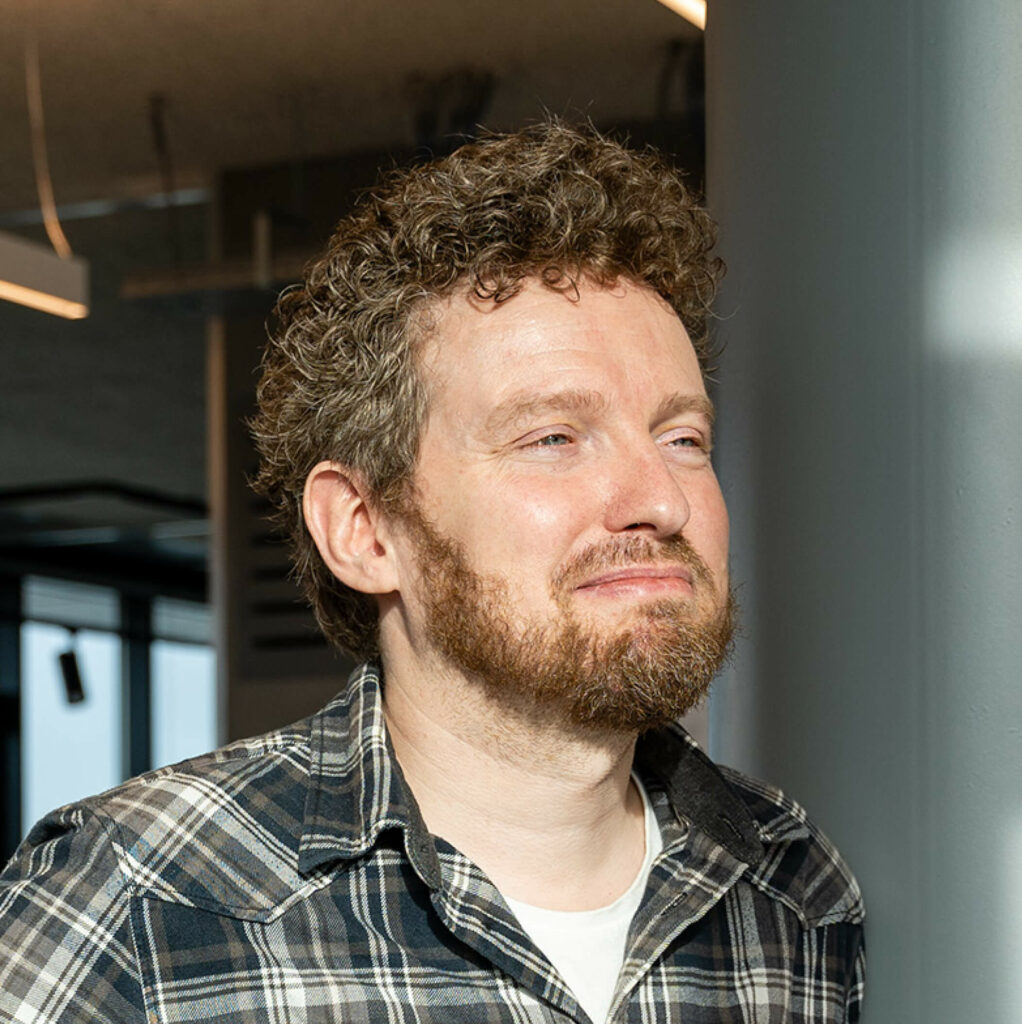
“Thanks to the detailed design of the full model, every corner and transition has been carefully considered. This helps minimize surprises during construction.”
André Meulenbelt, Senior Technical Designer at Boltt
The result
The Kop Noord design was developed from the engineering phase through to construction. The BIM model was prepared in accordance with SBB’s BIM standard and the BIM Basis ILS, supplemented by digital information cards and additional project-specific construction information requirements. This made it possible to manage construction directly from the model. The result was significant time savings, fewer construction errors and a more efficient construction process.
client
SBB Development and Construction
year
2016–2024
services
BIM implementation
Image
Visualizations Six by Six
Collaboration
Pieters Construction Engineering, Rijnboutt
Looking for BIM expertise?
We advise on the BIM approach best suited to your project and requirements.
Call Jurriën at 06 – 14 85 35 74
Or feel free to email jurrien@boltt.nu
More work we're proud of at
{"post_type":"case","posts_per_page":"4","post_status":"publish","ignore_sticky_posts":true,"order":"DESC","orderby":"date","s":"","tax_query":[{"taxonomy":"service","field":"term_id","terms":[3,4,6,5]}]}
the question
Kroonenberg Groep and NEOO were looking for a local co-architect to support the American architectural firm Studio Gang with permitting procedures, site surveys, the construction team process, and the integrated technical design of the scheme.
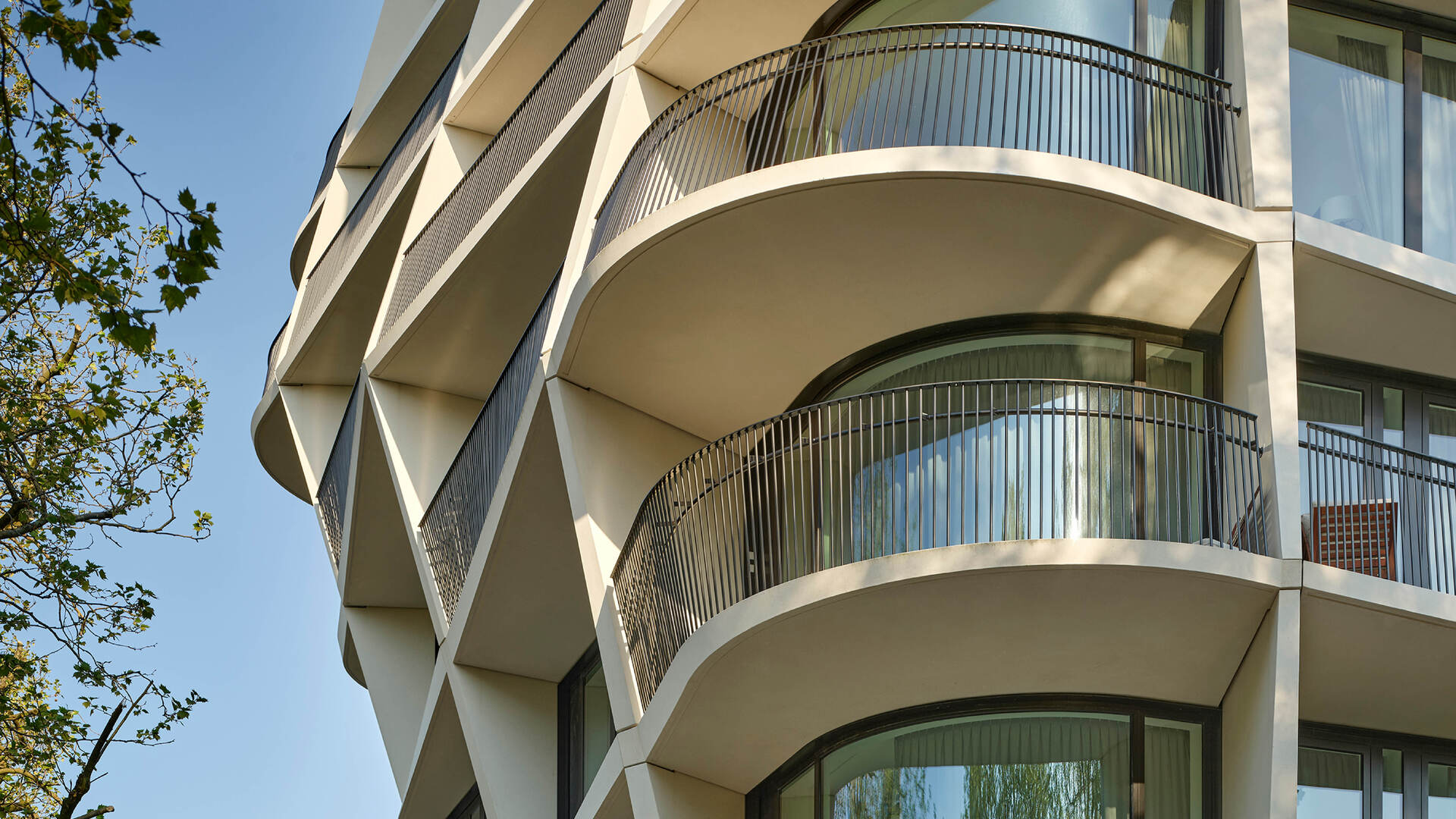
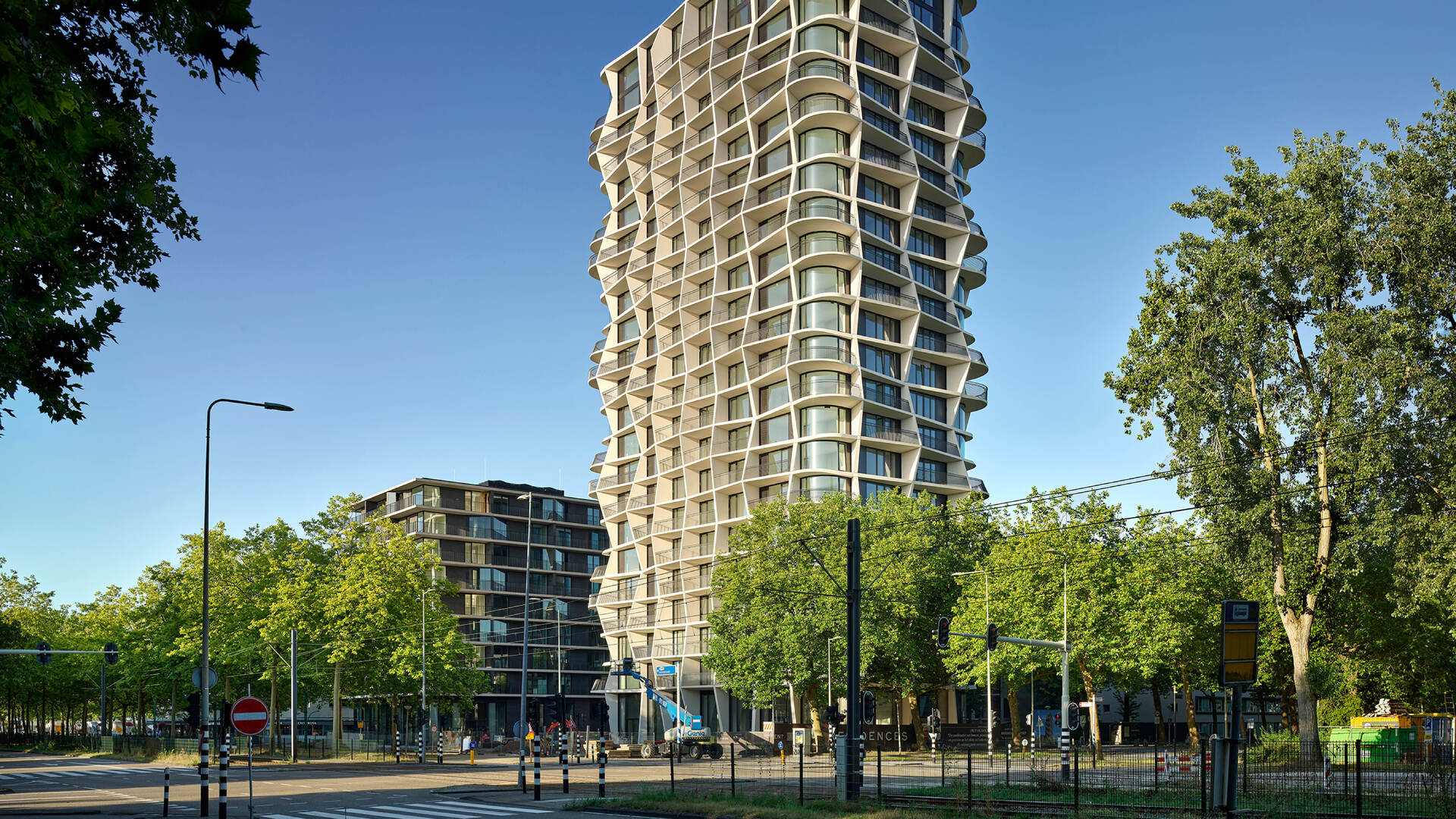
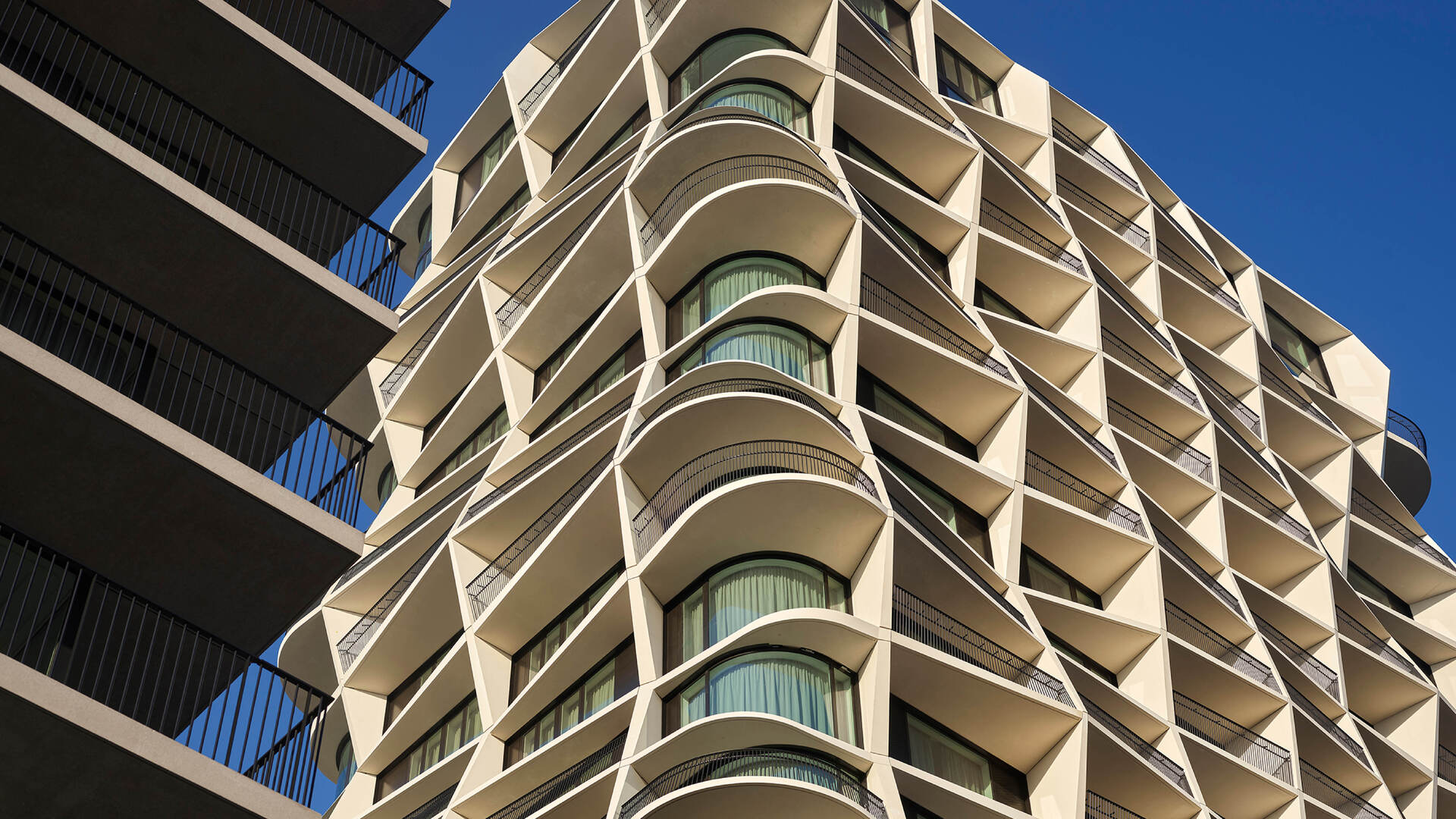
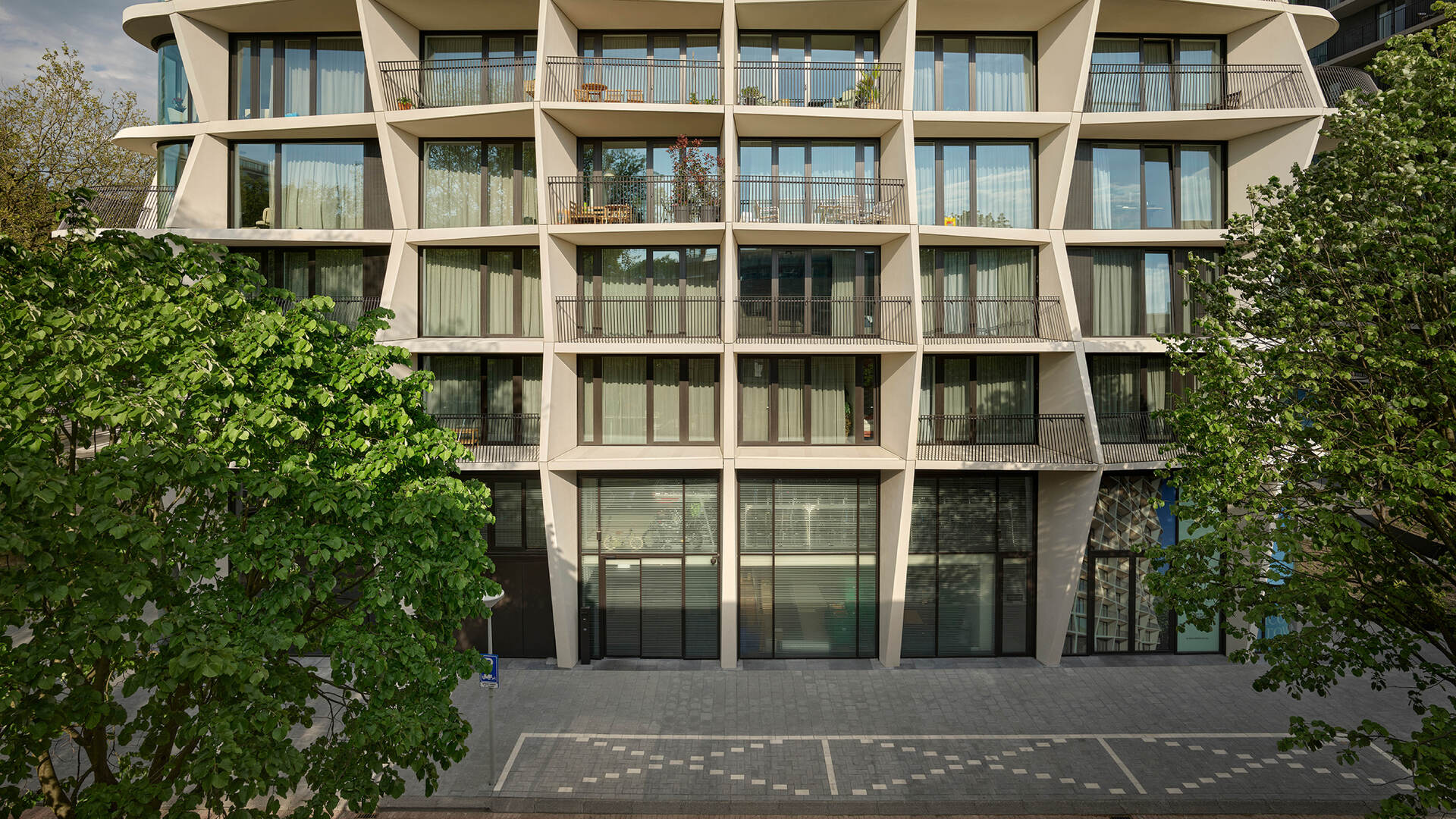
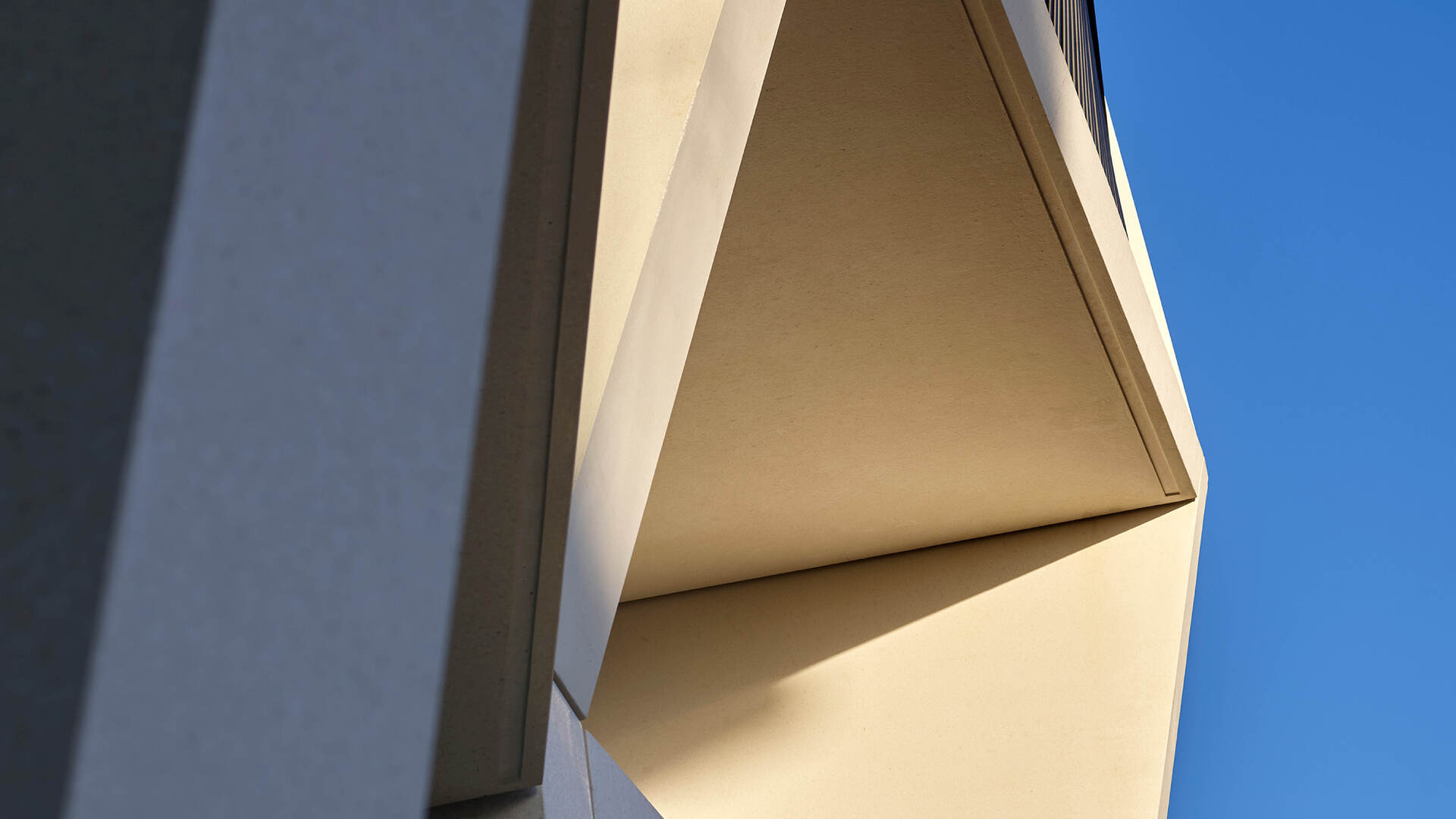
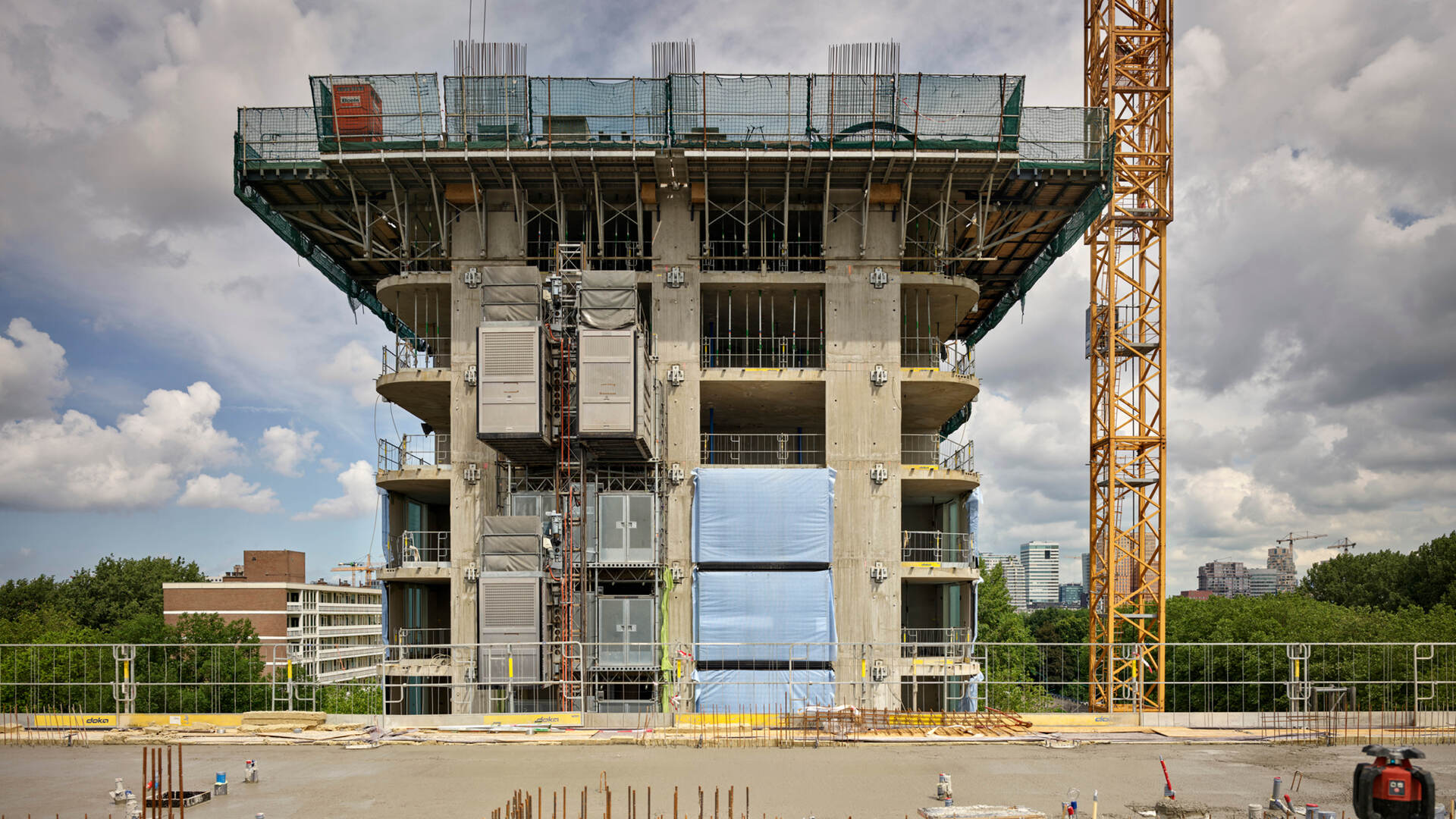
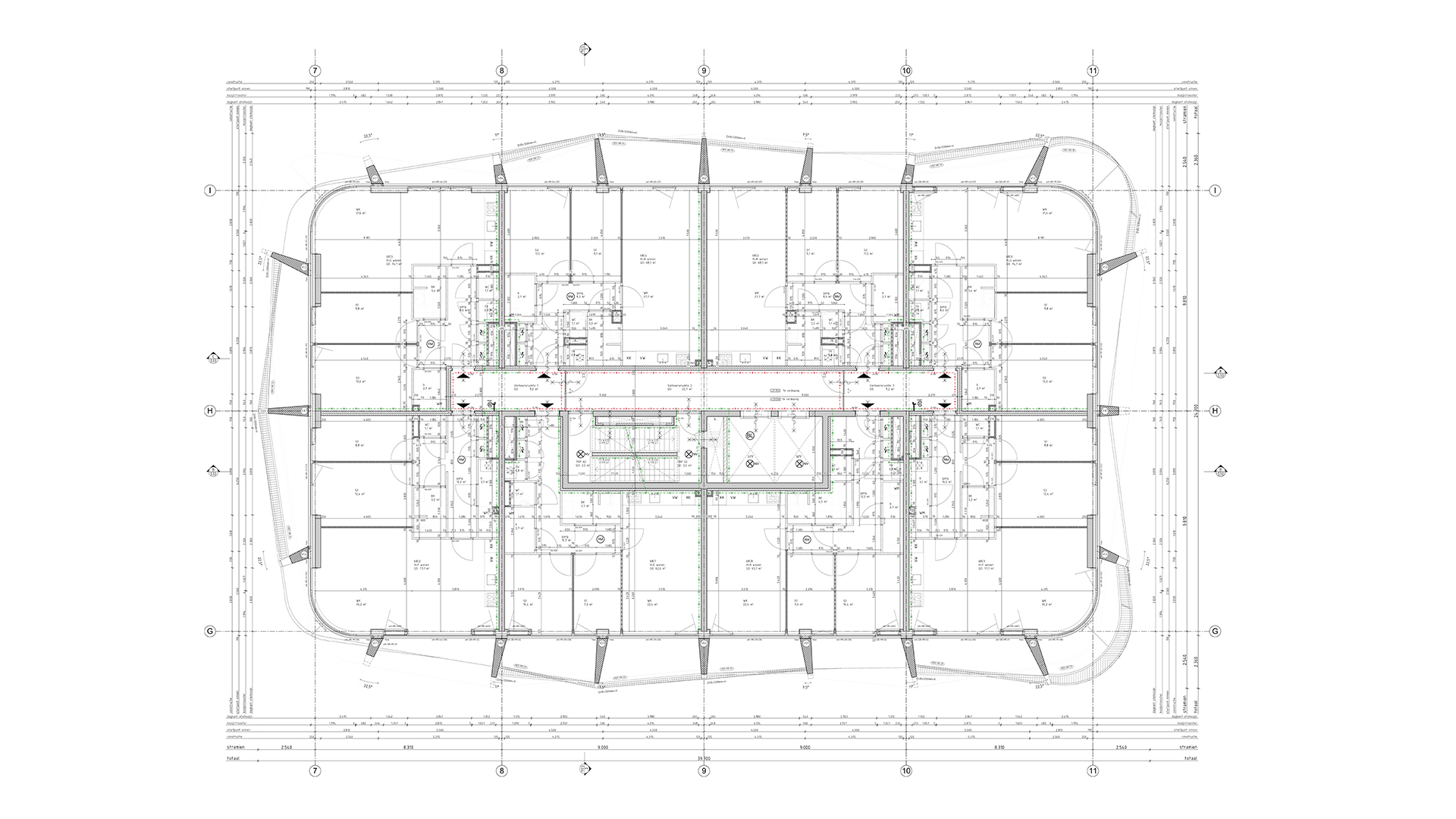
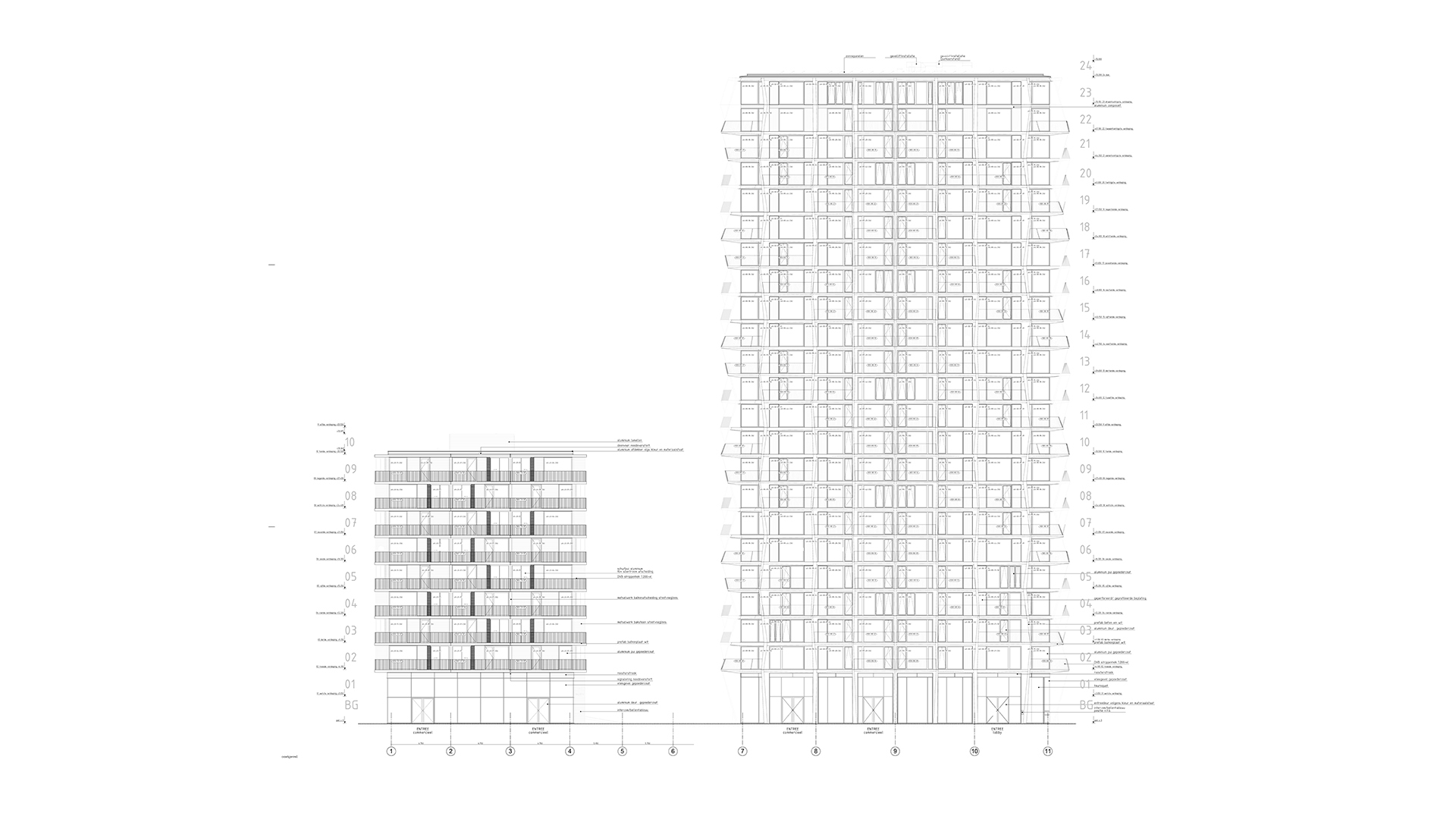
Boltt was responsible for the technical design and, with it, for the high level of finish in the two residential buildings, including the striking facade of the 75-meter Quartz tower. This facade comprises 115 different concrete elements, 88 different vertical concrete fins, and 28 different twisted balustrades. The main challenge lay in designing a facade that was technically feasible, compliant with regulations, and true to its abstract form.
the approach
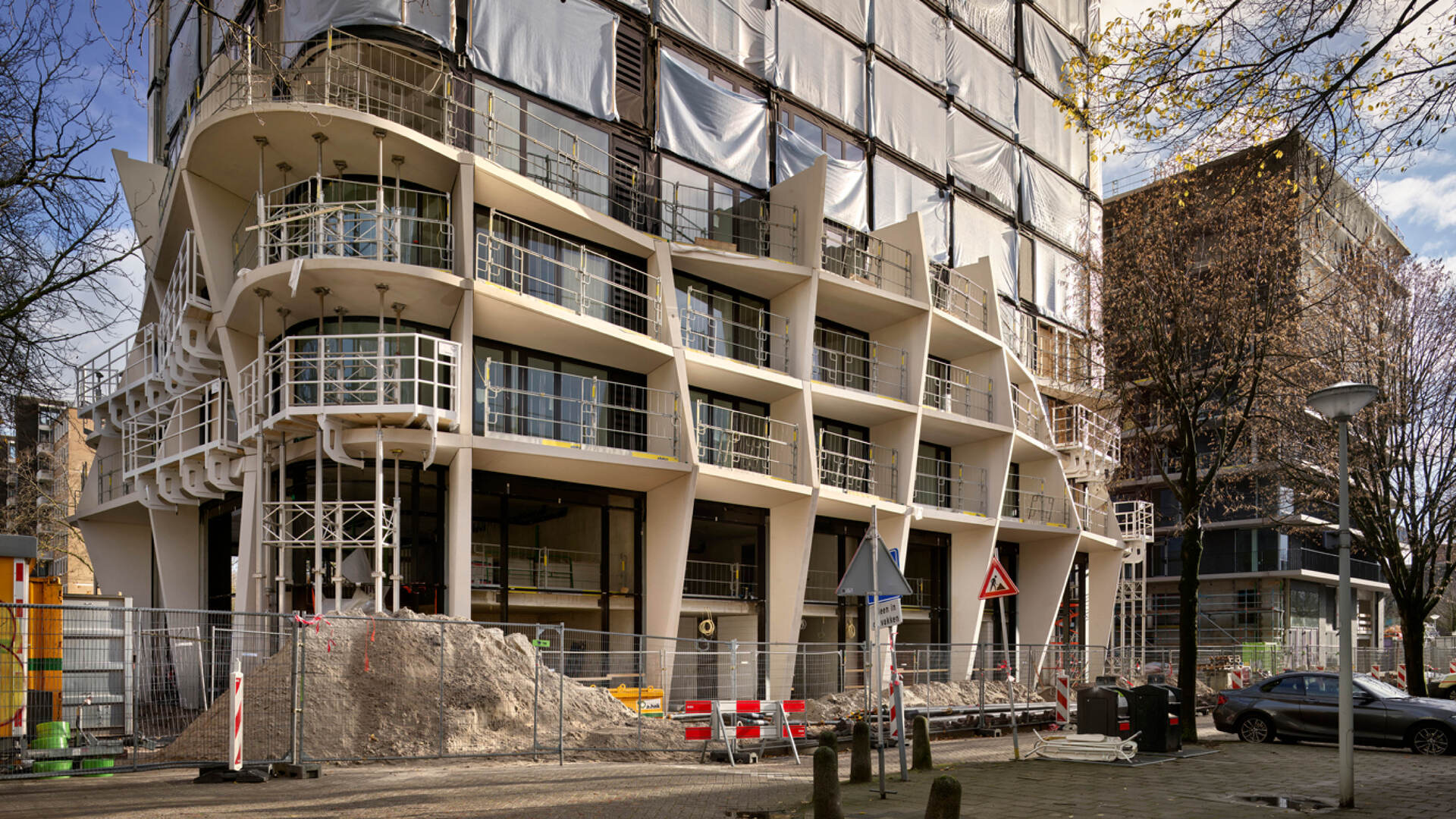
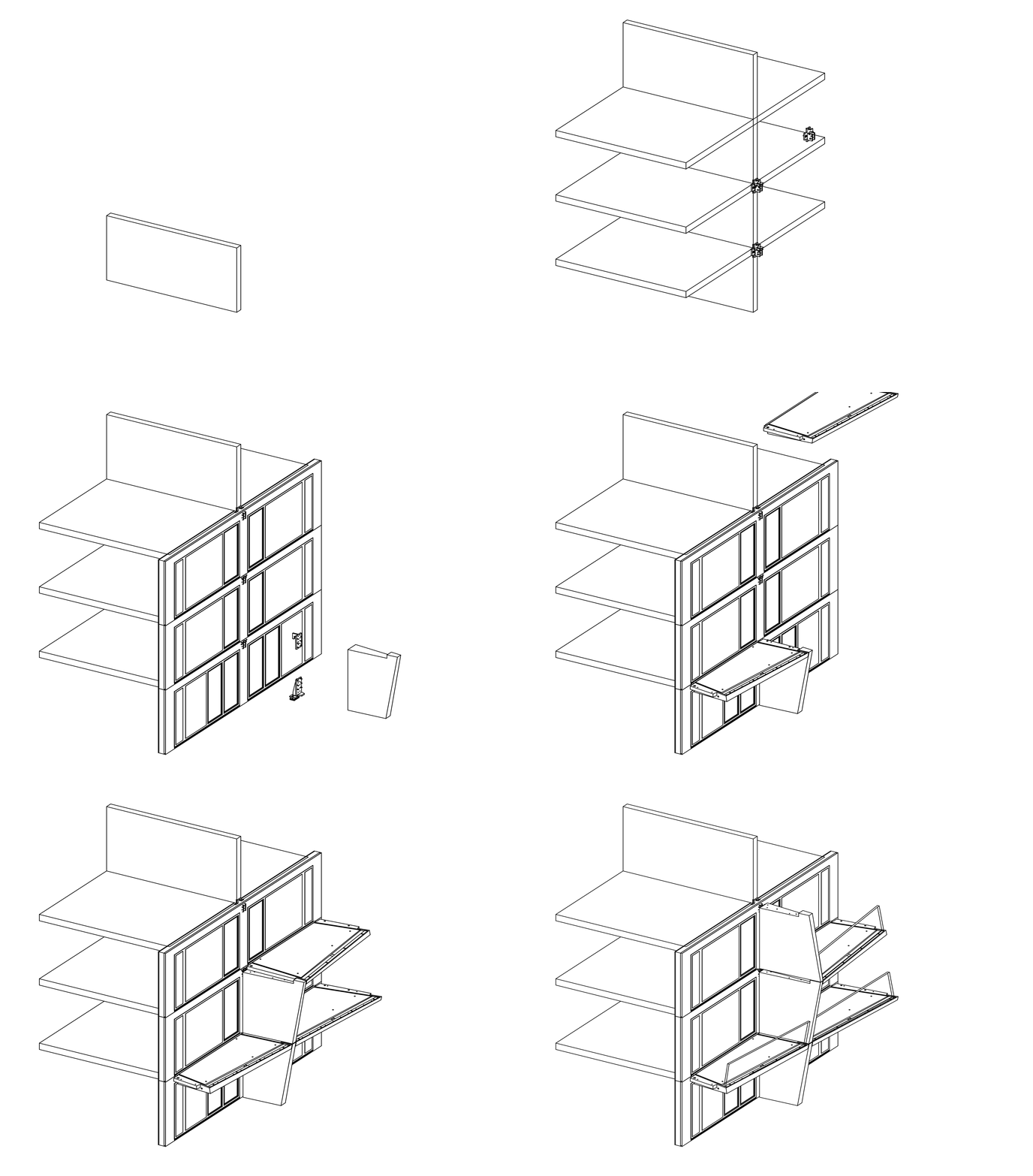
Using BIM, we were able to collaborate efficiently with all construction partners. The prefabricated concrete facade elements presented a complex technical puzzle. In consultation with the structural engineer, we developed a scaffold-free installation system that first made the facade weathertight and windproof, allowing work on the facade and the interior fit-out of the homes to proceed in parallel. The heavy facade elements could then be installed separately, safely, and without damaging the concrete surface.
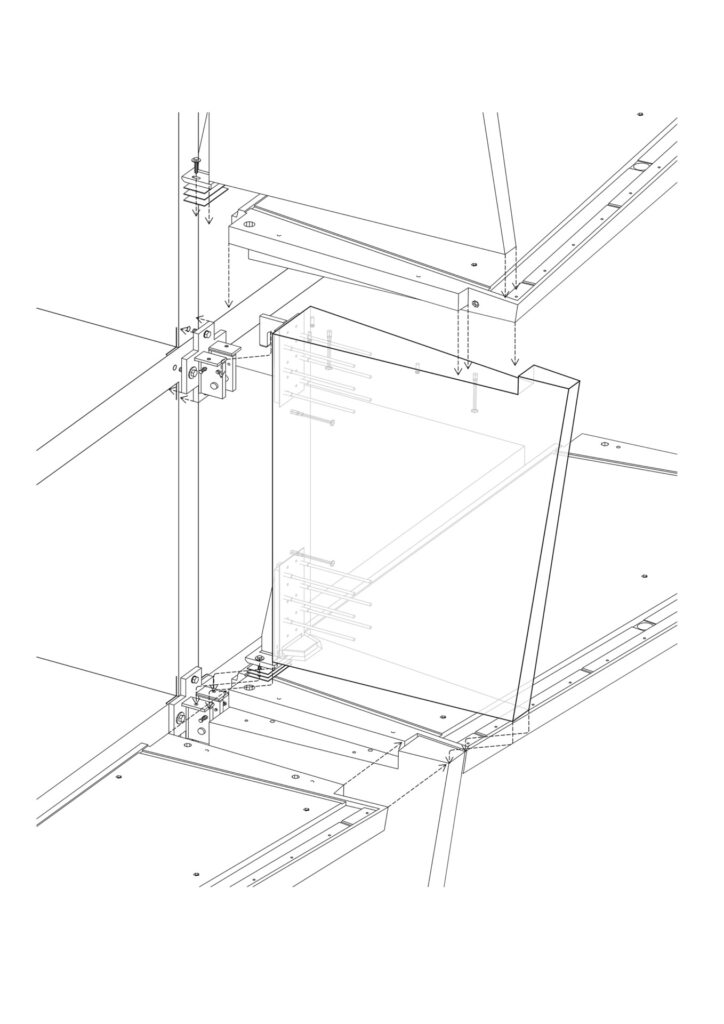
During the later design phases, we worked closely with contractor J.P. van Eesteren to refine this approach. Our technical designers developed a practical construction method that helped maintain the pace of construction, enabling the client to begin leasing on schedule while preserving Studio Gang’s design intent.
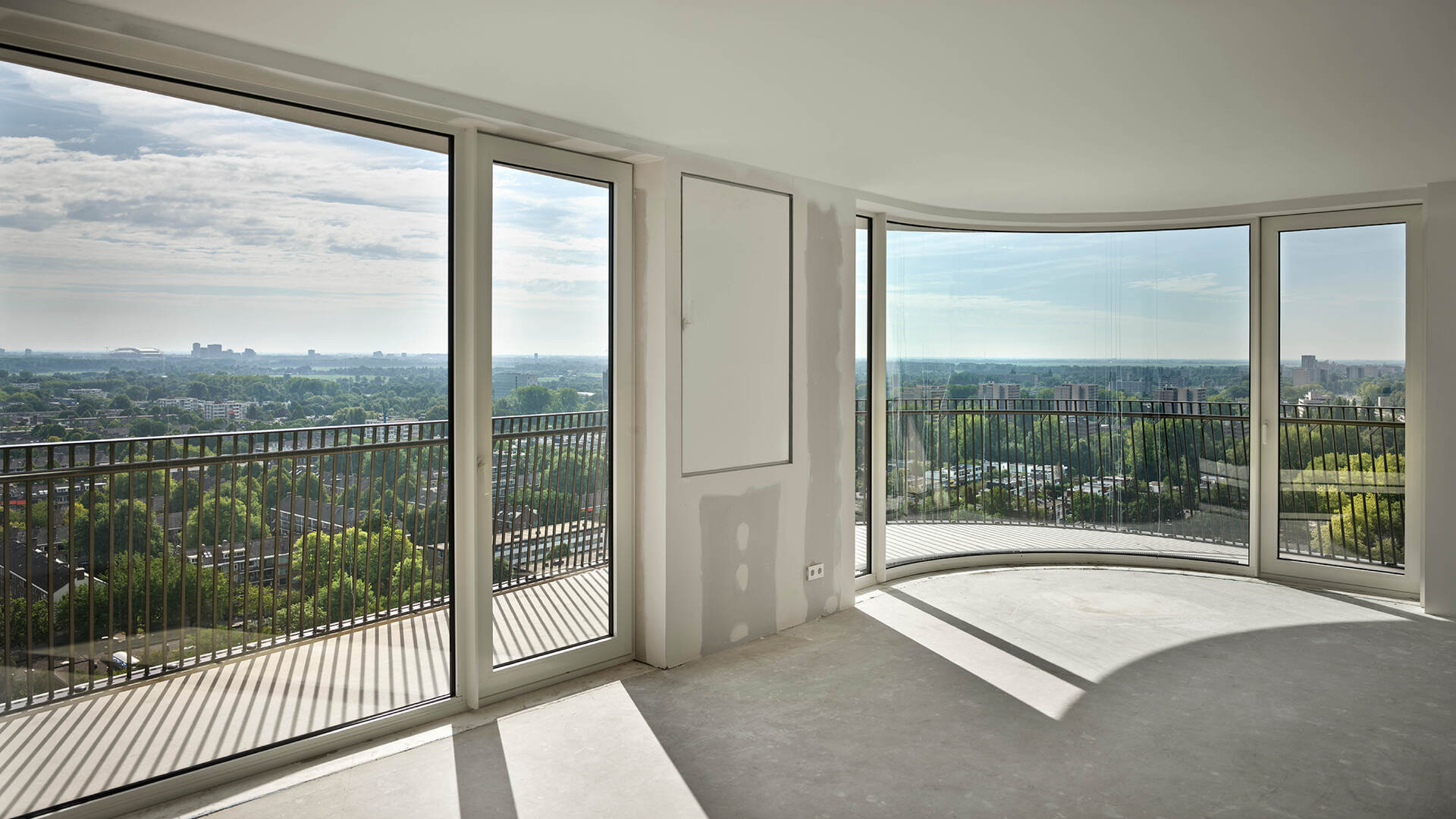
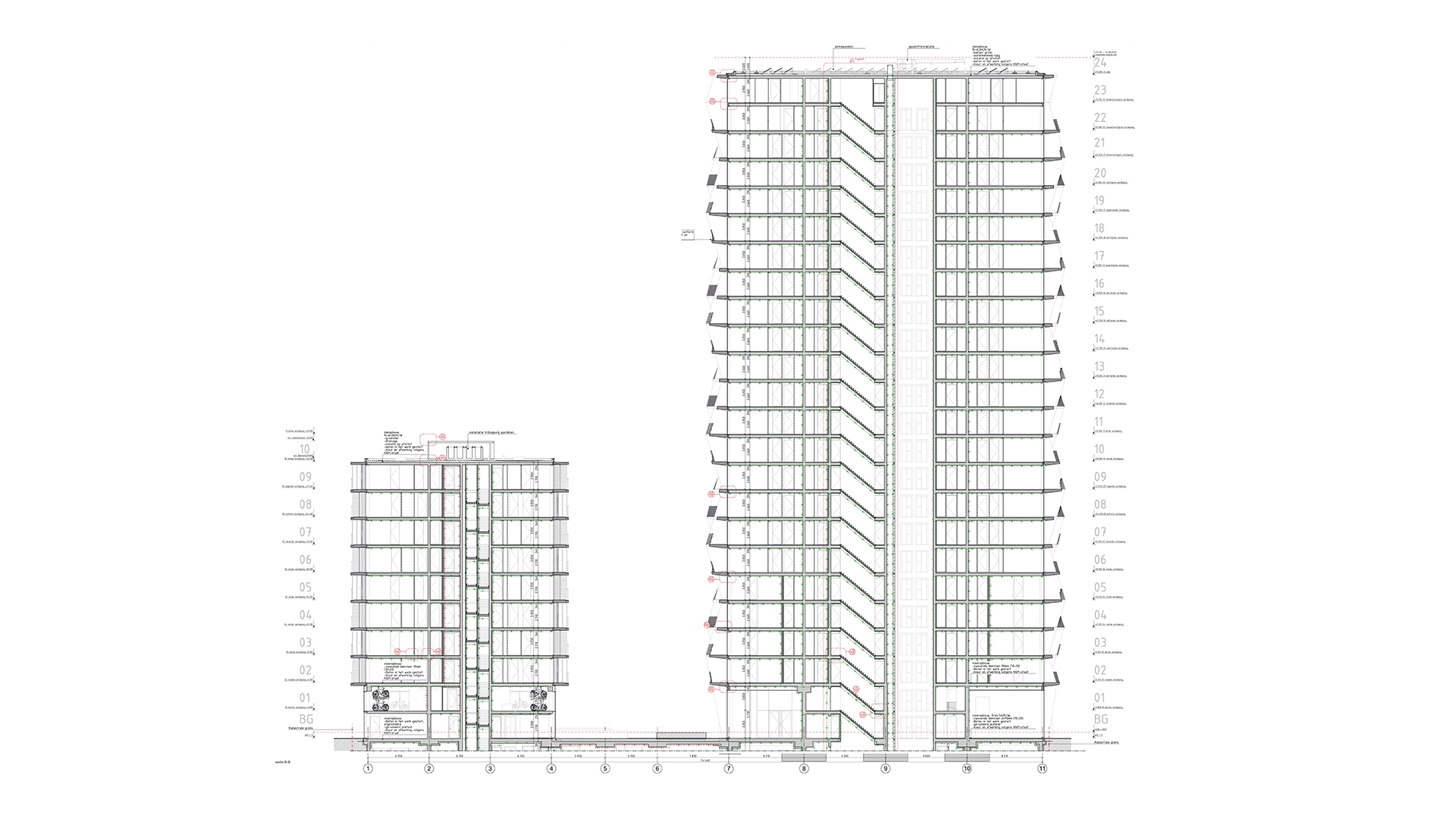
In a building of this height, a substantial amount of technical infrastructure converges on the lower floors, precisely where a sense of openness is most desirable. For that reason, we devoted particular attention to the technical design of the MEP zones. By integrating them into designated areas, we were able to preserve the spatial quality of the double-height commercial spaces.
The result
To ensure early and active involvement on all sides, we organized a biweekly project board meeting with Kroonenberg Groep and NEOO. This allowed technical aspects with consequences for the appearance of the project, and potentially its long-term management, to be discussed at an early stage. It also made it possible to identify inconsistencies and design flaws early on, clarify the implications of proposed changes, and work together on appropriate solutions.
Close consultation with Studio Gang also took place from an early stage. The firm was struck by the high standard to which the detailing and finishes were developed and is very pleased with the result. In close collaboration with Studio Gang, Kroonenberg Groep, NEOO and J.P. van Eesteren, two residential buildings were realized to a consistently high standard.
client
Kroonenberg Group
year
2016–2022
services
BIM Management
BIM Implementation
Project Coordination
Image
Photography by Kees Hummel
collaboration
Homij, IMd Consulting Engineers, J.P. van Eesteren, Peutz, Rijnboutt, Techniplan Consultants
Need a high-quality result?
We support your project with careful technical development and a well-organized process. Would you like to know more?
Call Jurriën at 06 – 14 85 35 74
Or feel free to email jurrien@boltt.nu
More work we're proud of at
{"post_type":"case","posts_per_page":"4","post_status":"publish","ignore_sticky_posts":true,"order":"DESC","orderby":"date","s":"","tax_query":[{"taxonomy":"service","field":"term_id","terms":[3,4,6,5]}]}
the question
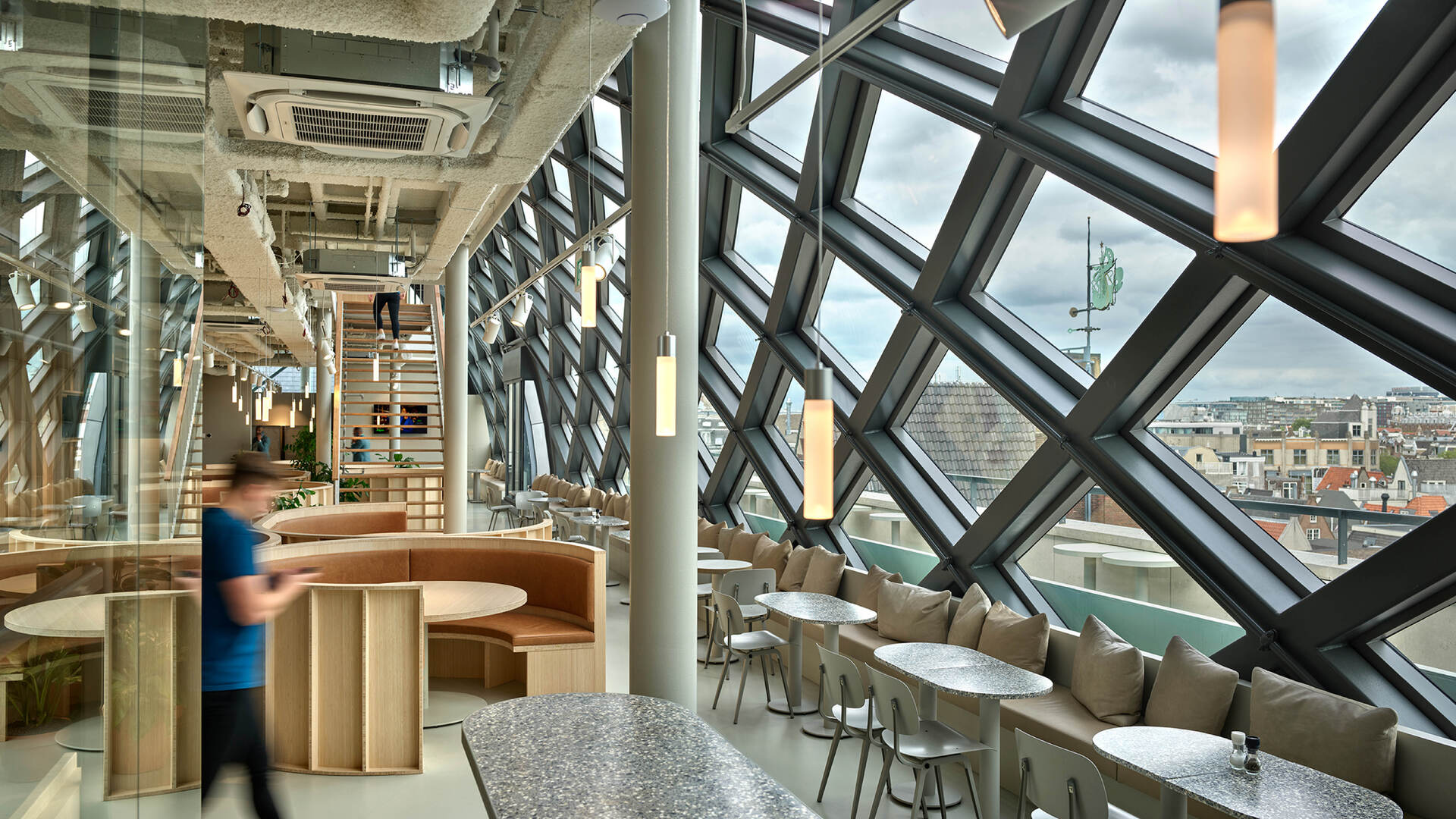
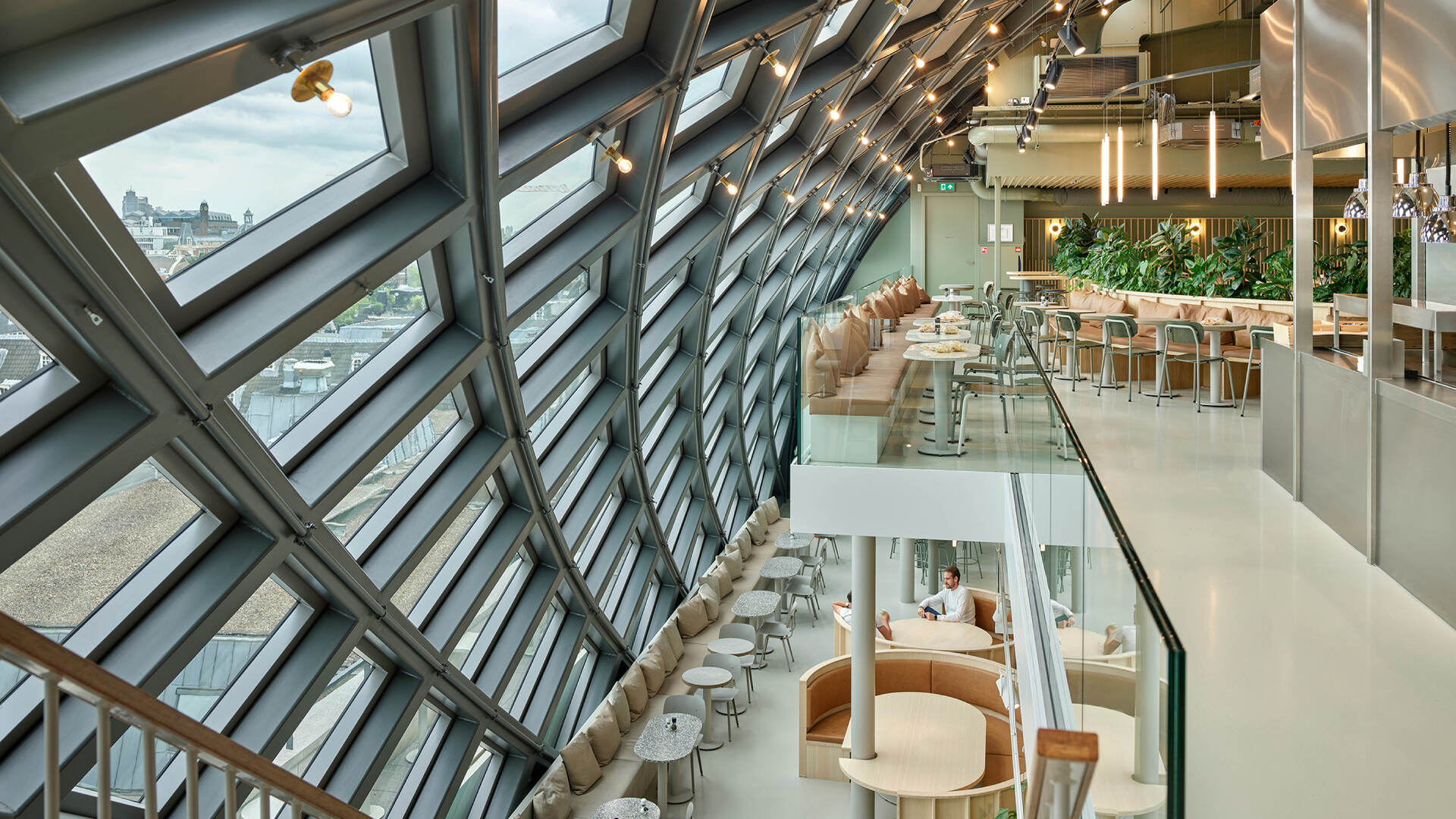
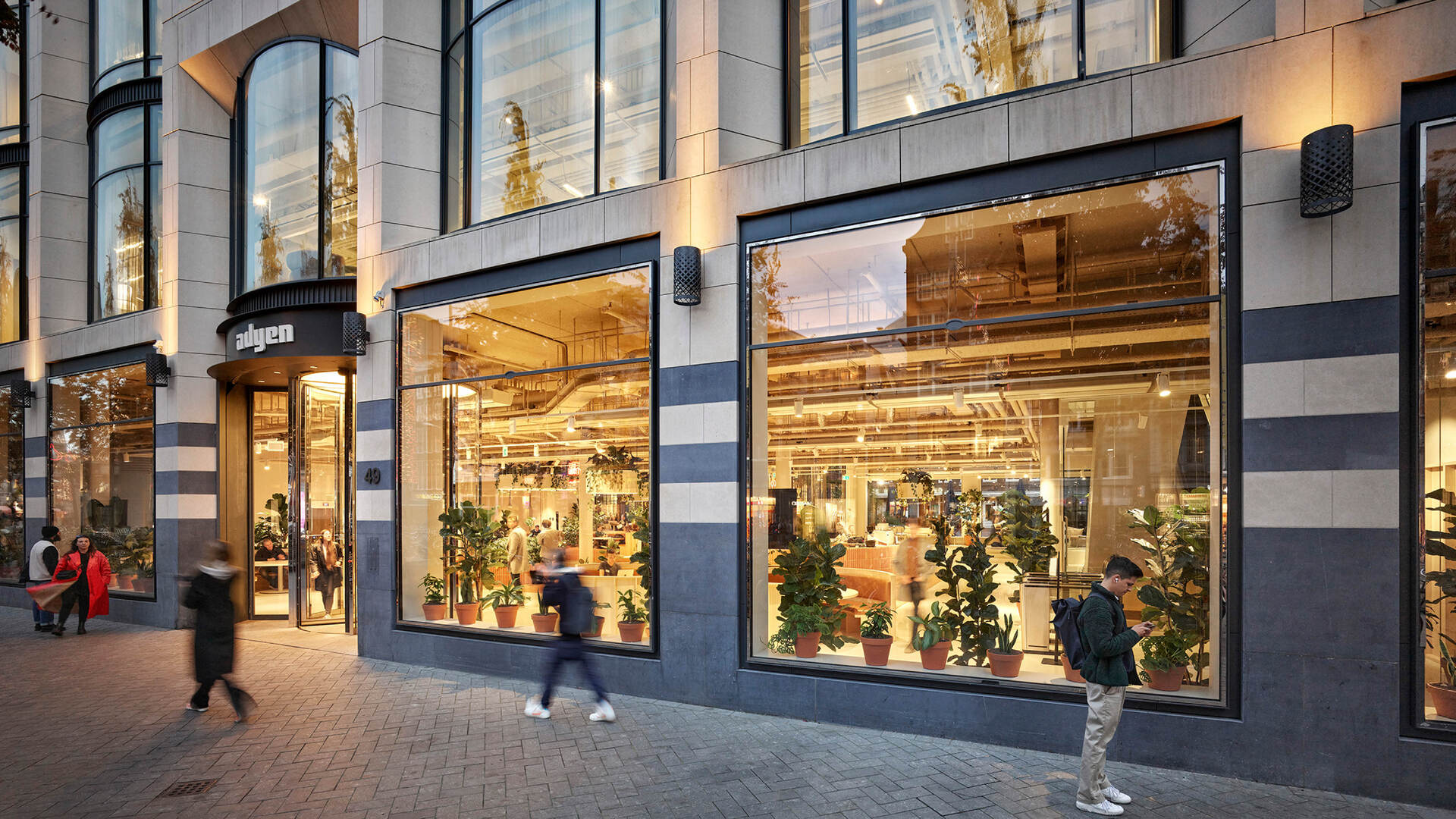
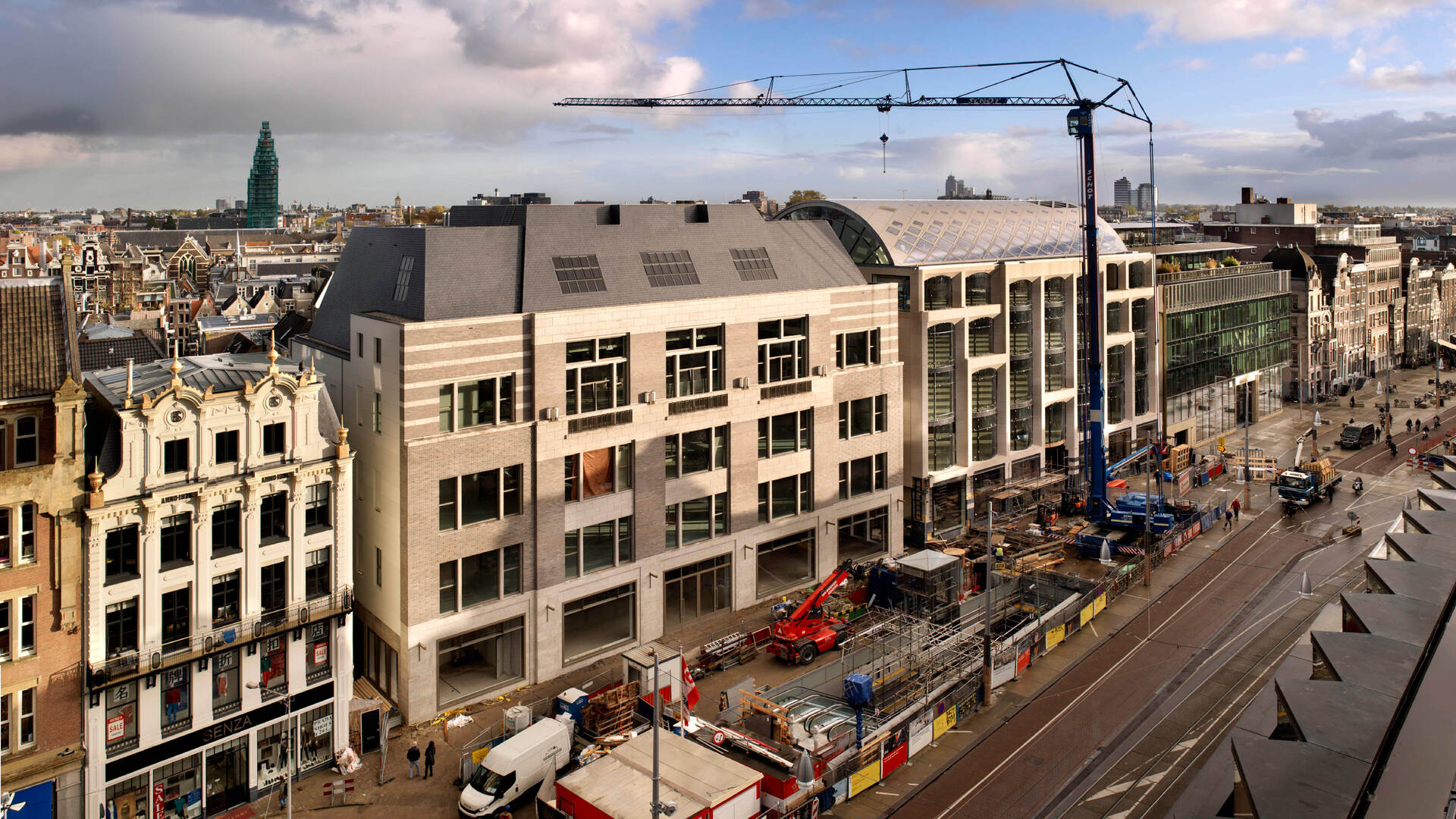
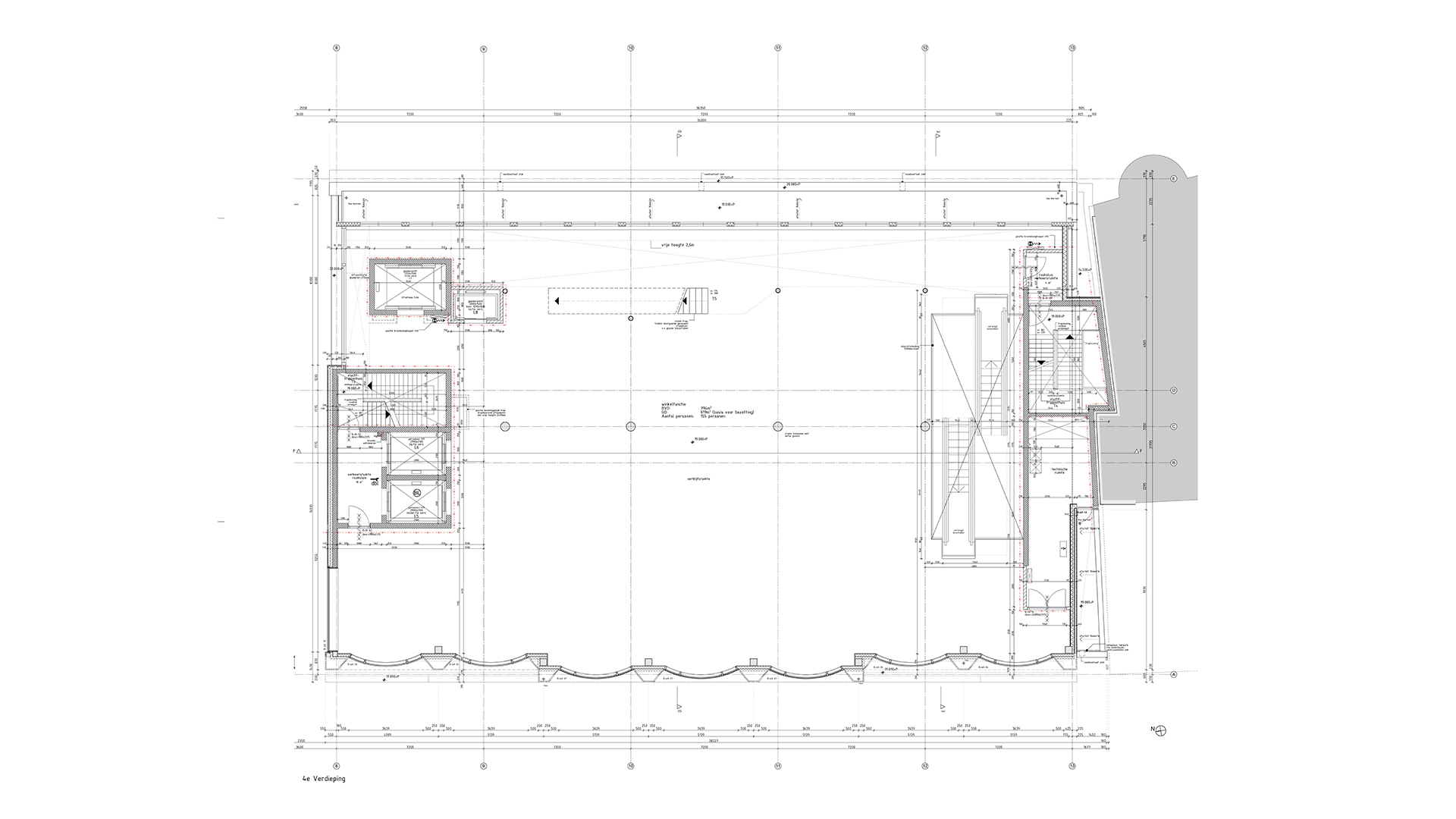
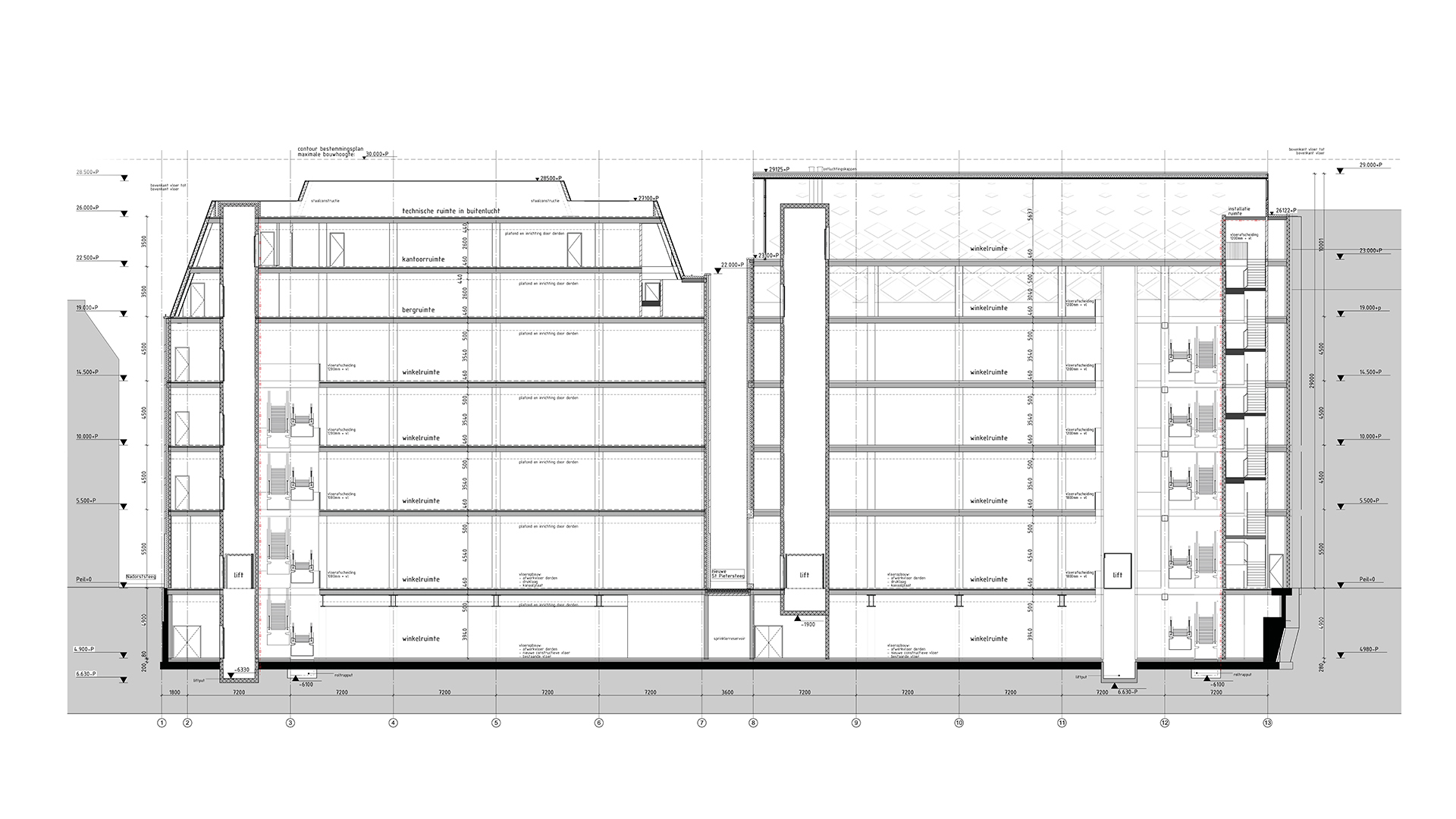
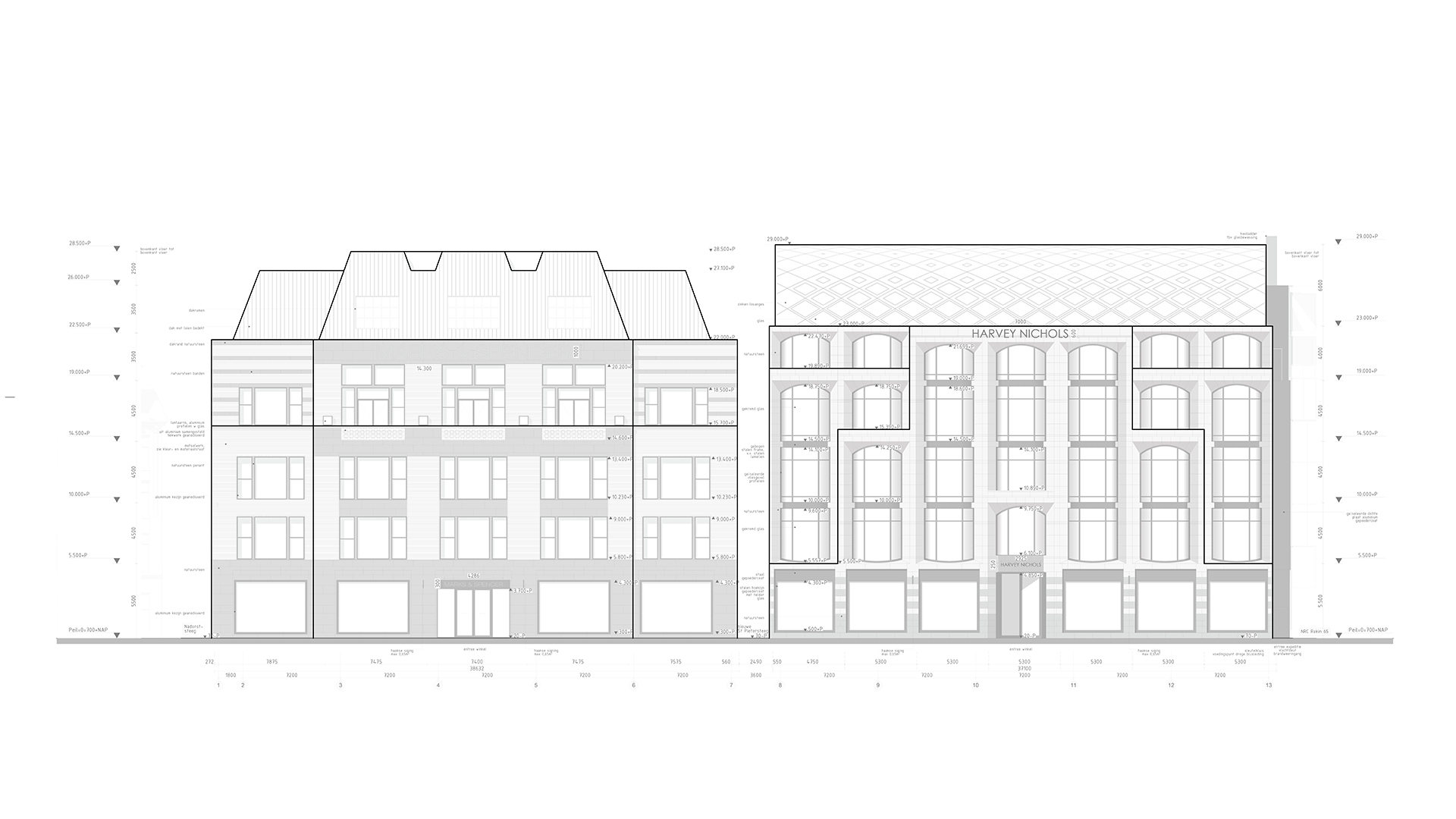
As part of the City of Amsterdam’s Project 1012, which also included De Rode Loper and the construction of the North/South metro line, the Rokin District set out to revitalise the area between Dam Square, the Rokin and the Nes. Two new buildings were constructed on the site on the Rokin where a large bank building once stood, while the Vleeshal, a national monument, was renovated and repurposed. Boltt was responsible for project coordination and the technical development of the design.
the approach
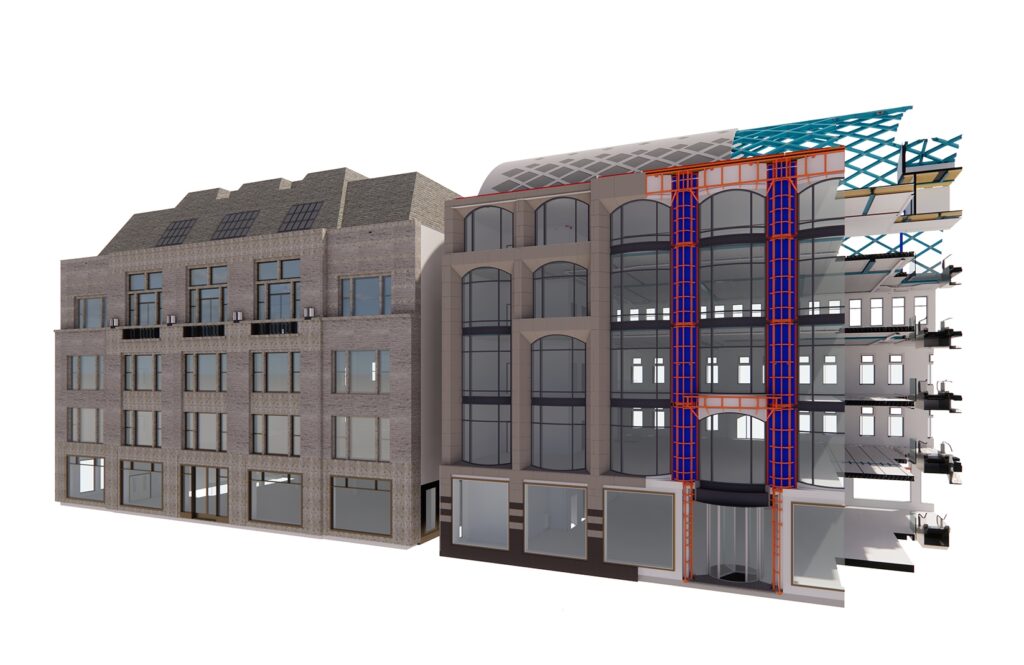
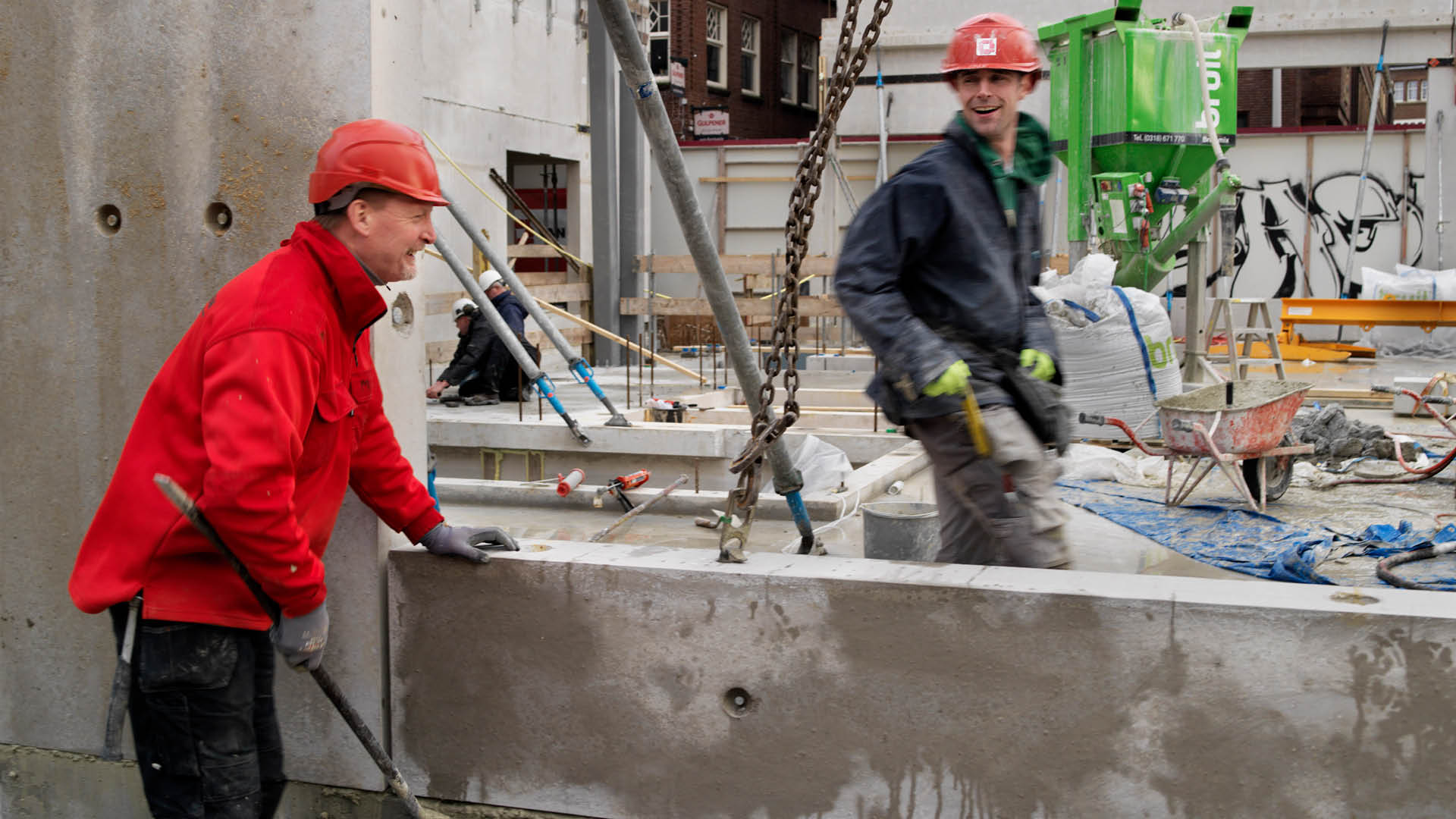
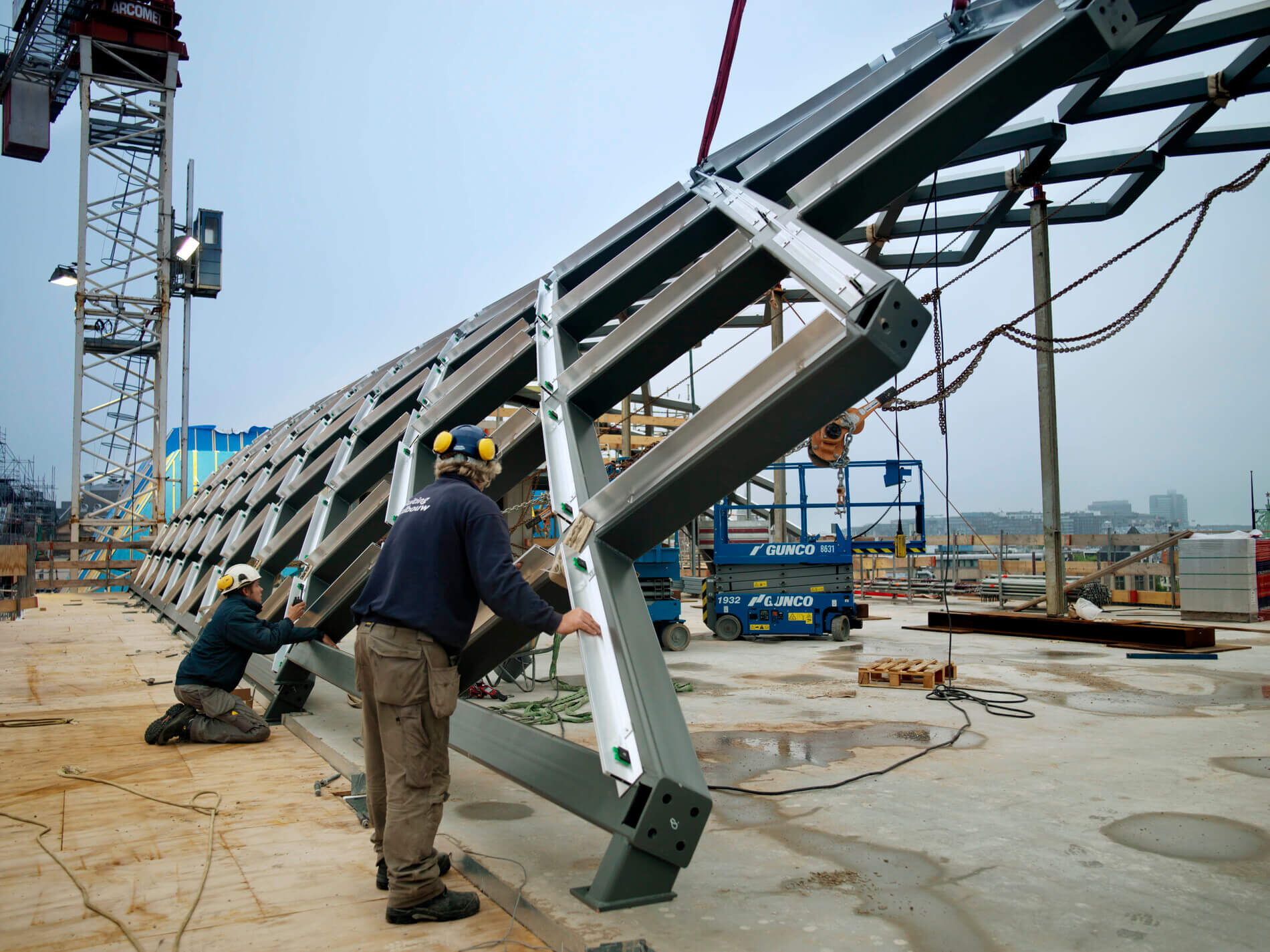
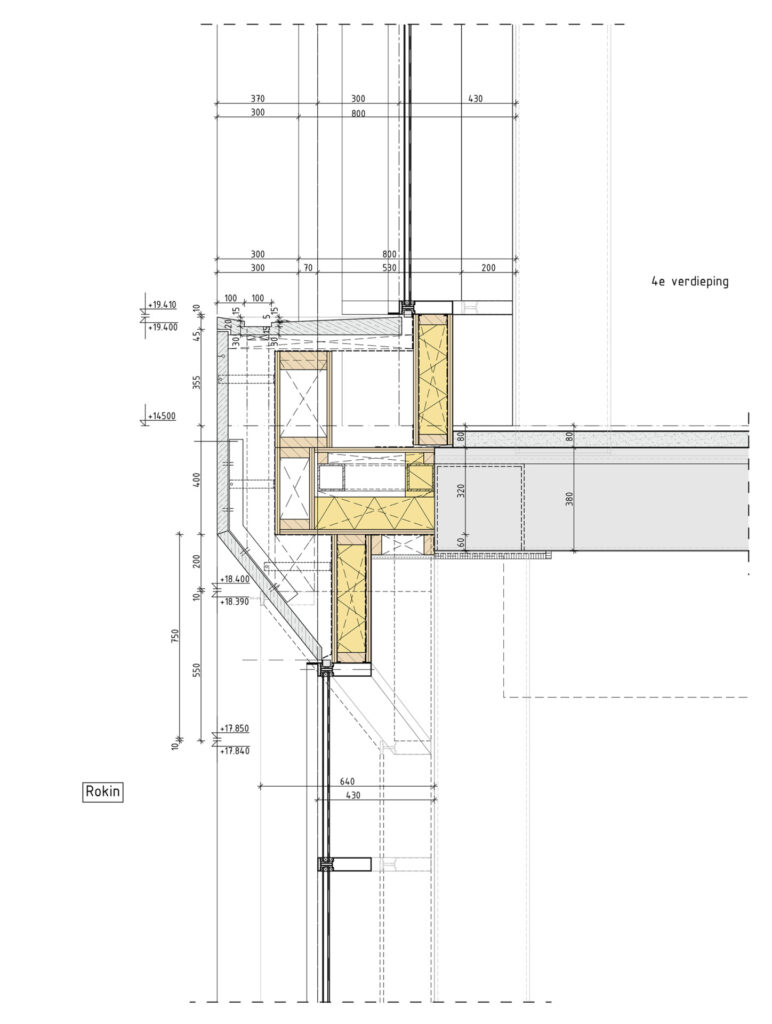
Because of the limited space on site and the short construction period of just 18 months for a gross floor area of 12,000 m², contractor Van Wijnen required an exceptionally detailed BIM model, fully aligned with the work of consultants and suppliers. Prefabrication and direct installation from the truck were necessary to shorten the construction period and reduce construction errors. The BIM model also had to be suitable for checking the production models of the specialist partners.
Within the BIM model, the various building components, including natural stone, window frames, structural elements and steelwork, were developed separately. We organized and coordinated clash detection sessions to align the work with the consultants and contractor. In effect, the entire building was first constructed virtually, with the assembly sequence and site logistics already considered. During the production and execution phases, Boltt also checked the production models.
“I am very pleased with the result. By incorporating input from contractors and subcontractors at an early stage, the design was genuinely strengthened.”
Jaap Hoving, Boltt Project Coordinator
The result
Because of the detailed modelling work, a range of issues that would traditionally only come to light on site were identified during the design phase. This made it possible to resolve them at an early stage. During the review of the production models, the final adjustments were made and the components prepared for production. This approach shortened the construction period, resulted in very few issues at handover, contributed to the required BREEAM score, and is reflected in the quality of the completed project.
client
Ivy Group
year
2012 – 2016
services
BIM Management
BIM Implementation
Project Coordination
Image
Photography by Kees Hummel
Collaboration
Concerf Monumentenzorg, IMd Consulting Engineers, Incendio B.V., Nieman Group, Octatube, Quinten Wildeboer, Rijnboutt, Van Wijnen
Looking for experienced technical designers?
We support your project with technical development and effective BIM coordination. Would you like to know more?
Call Jurriën at 06 – 14 85 35 74
Or feel free to email jurrien@boltt.nu
More work we're proud of at
{"post_type":"case","posts_per_page":"4","post_status":"publish","ignore_sticky_posts":true,"order":"DESC","orderby":"date","s":"","tax_query":[{"taxonomy":"service","field":"term_id","terms":[3,4,6,5]}]}
the question
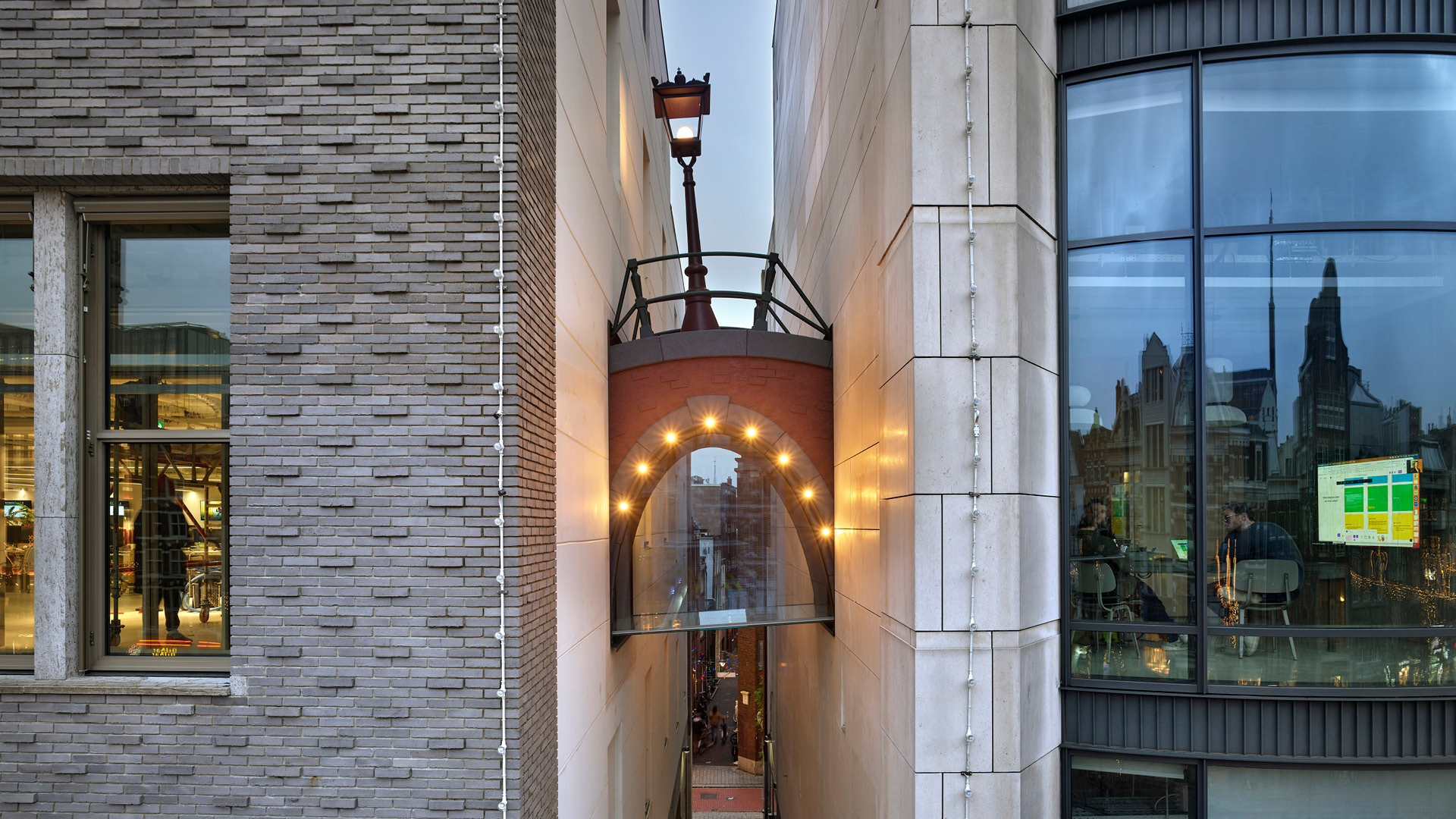
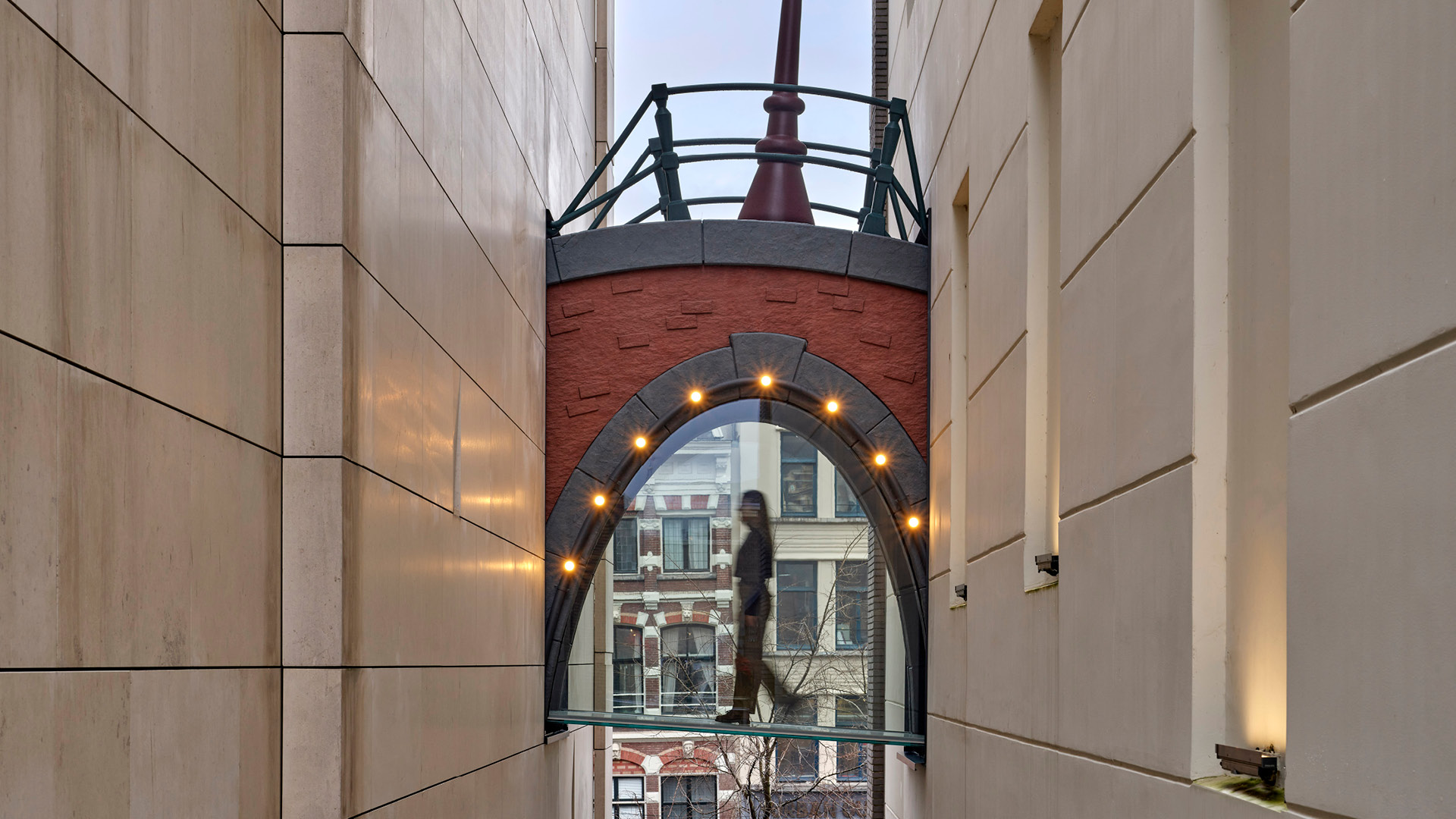
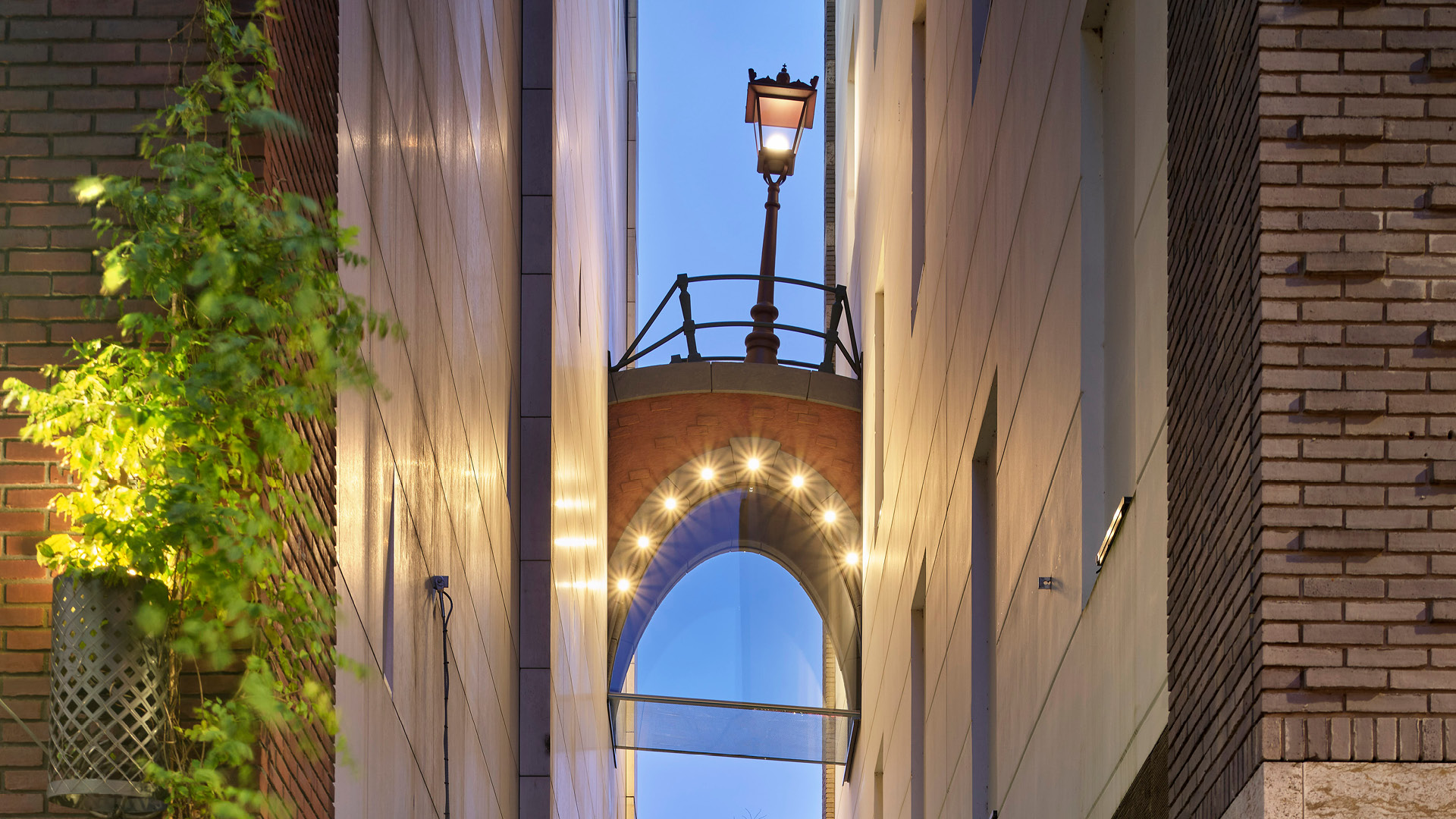
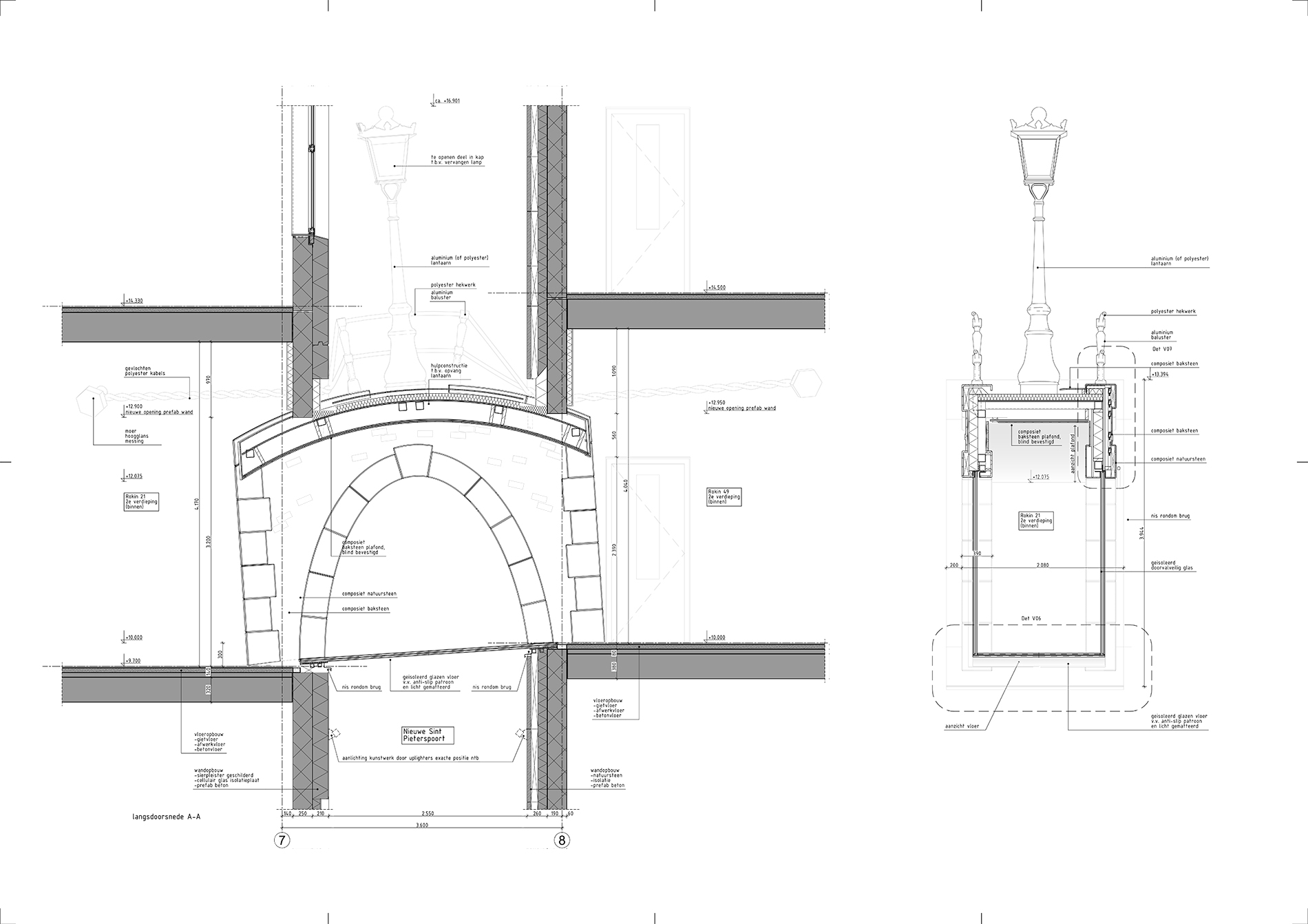
An Amsterdam canal bridge, at a height of ten meters and designed by Streetart Frankey, connects Adyen’s offices on Rokin. It is a technical masterpiece, and the permitting process, design, and construction were all carried out with great care and enthusiasm.
“We’d like to create a connection between our new office buildings on Rokin, because the offices are currently too far apart.” That was the request Adyen made to Boltt at the start of the project. Building a bridge between two buildings in the city centre is no easy task due to the urban planning principles governing the protected historic district. A wonderful challenge!
the approach
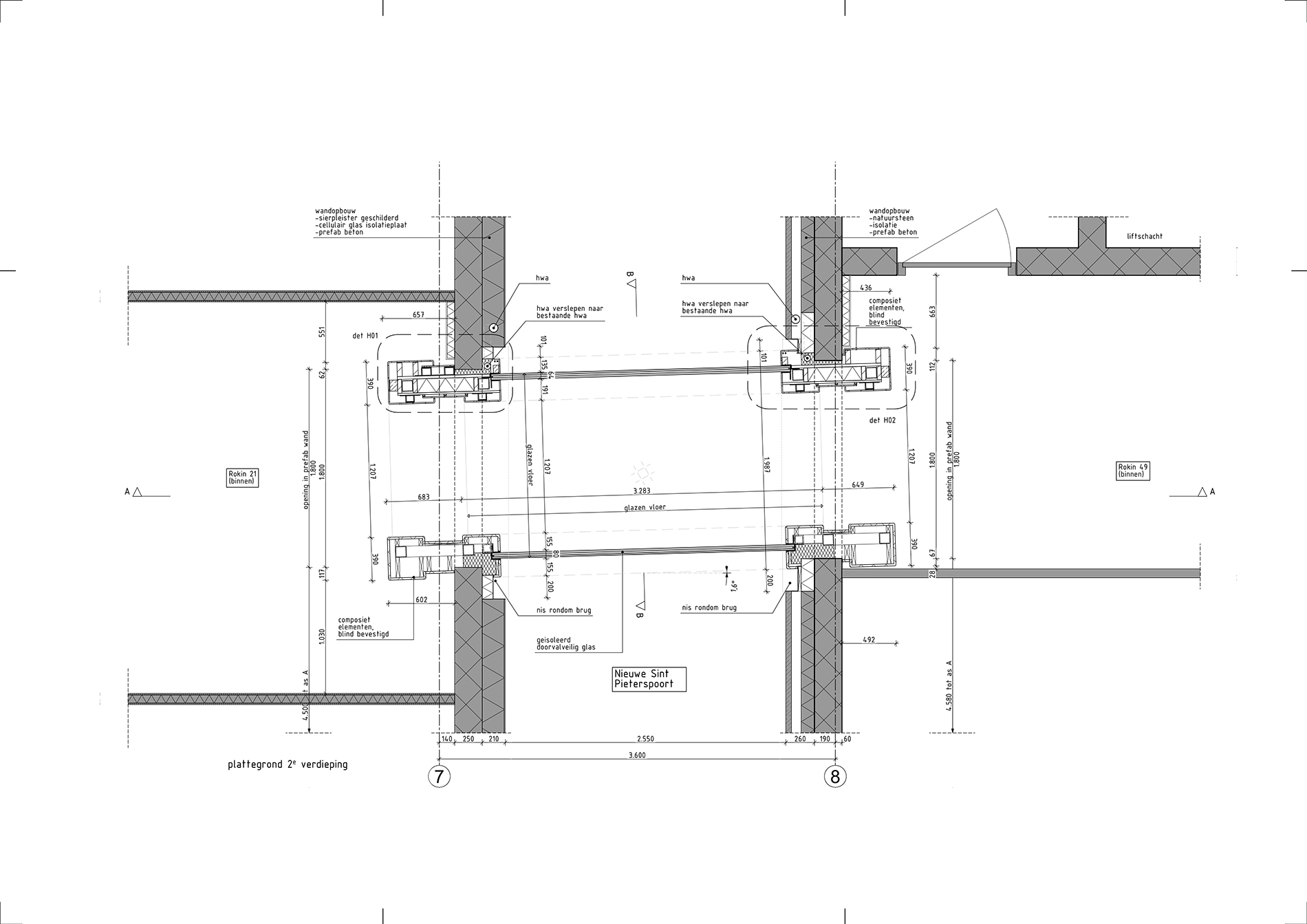
To begin with, we translated Adyen’s request into a spatial justification to be discussed with the City of Amsterdam. If a connection were to be built, what spatial conditions would it need to meet? This framework was discussed with the SIRK (Subcommittee on Integrated Spatial Quality), urban planners, and zoning plan specialists from the city. Once everyone at the city was on board with the plan, the next step was taken.
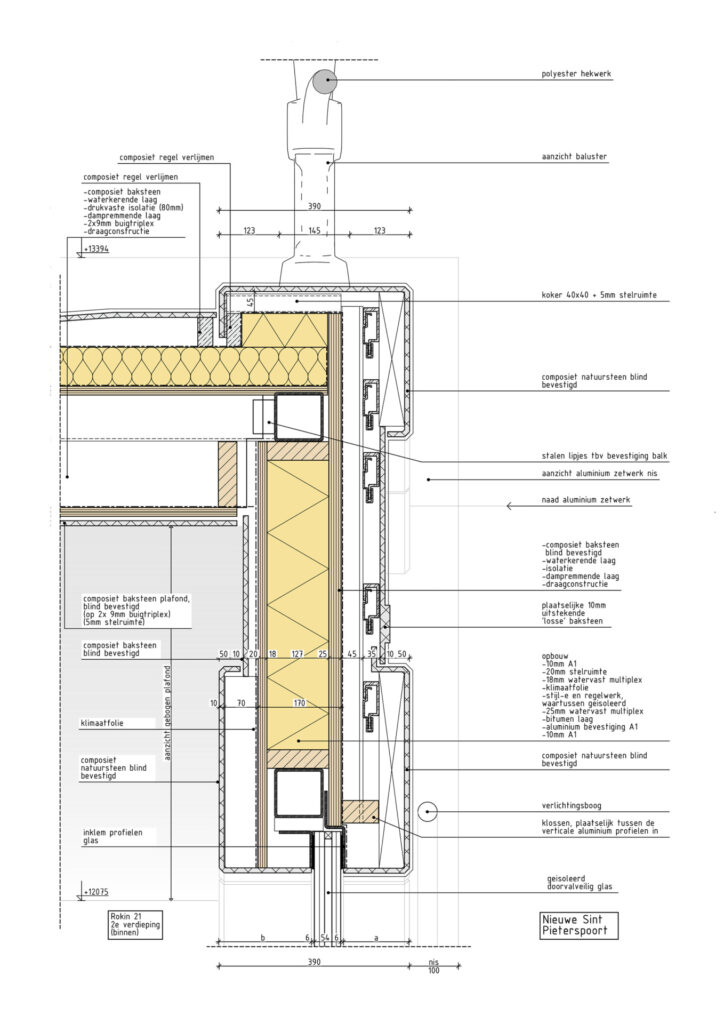
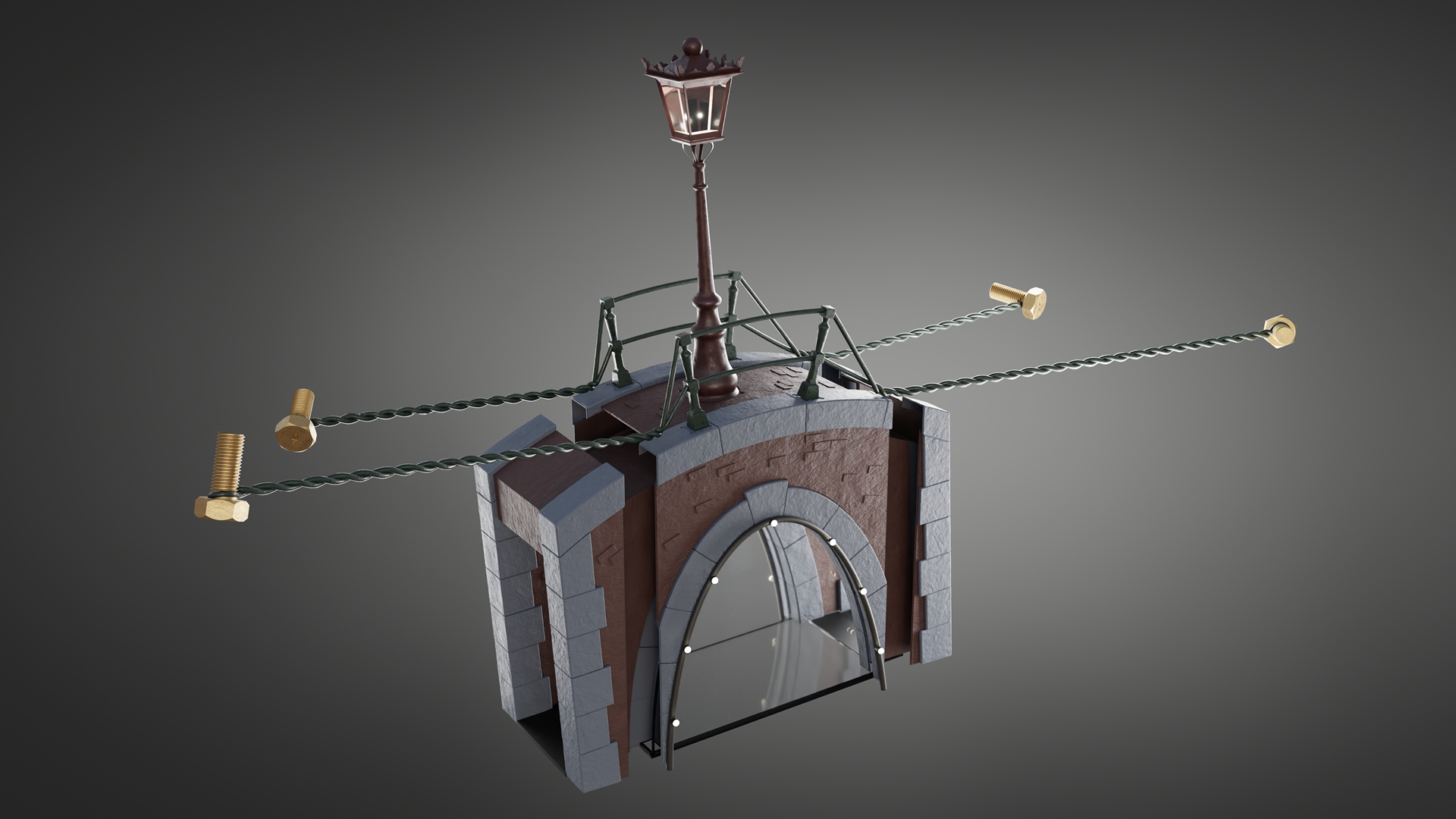
We advised Adyen to have the connection designed by an artist and to invite several artists to submit proposals. Amsterdam-based street artist Frankey presented the most compelling design. The environmental permit drawings were created by Boltt, and we advised Frankey on the presentations to the SIRK and the materialization of the design. We handled the further technical development, including the technical engineering for contractor Van Wijnen.
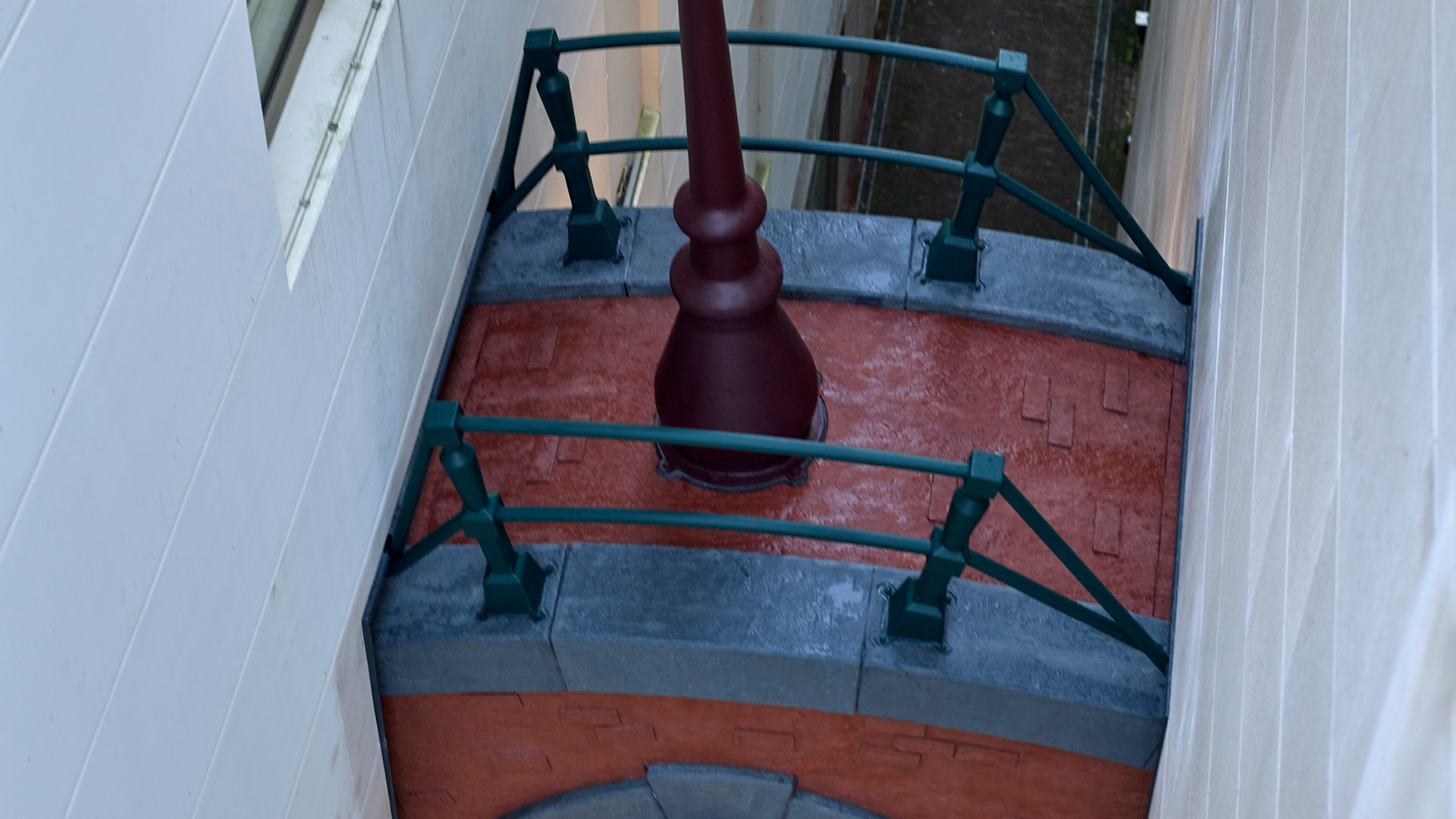
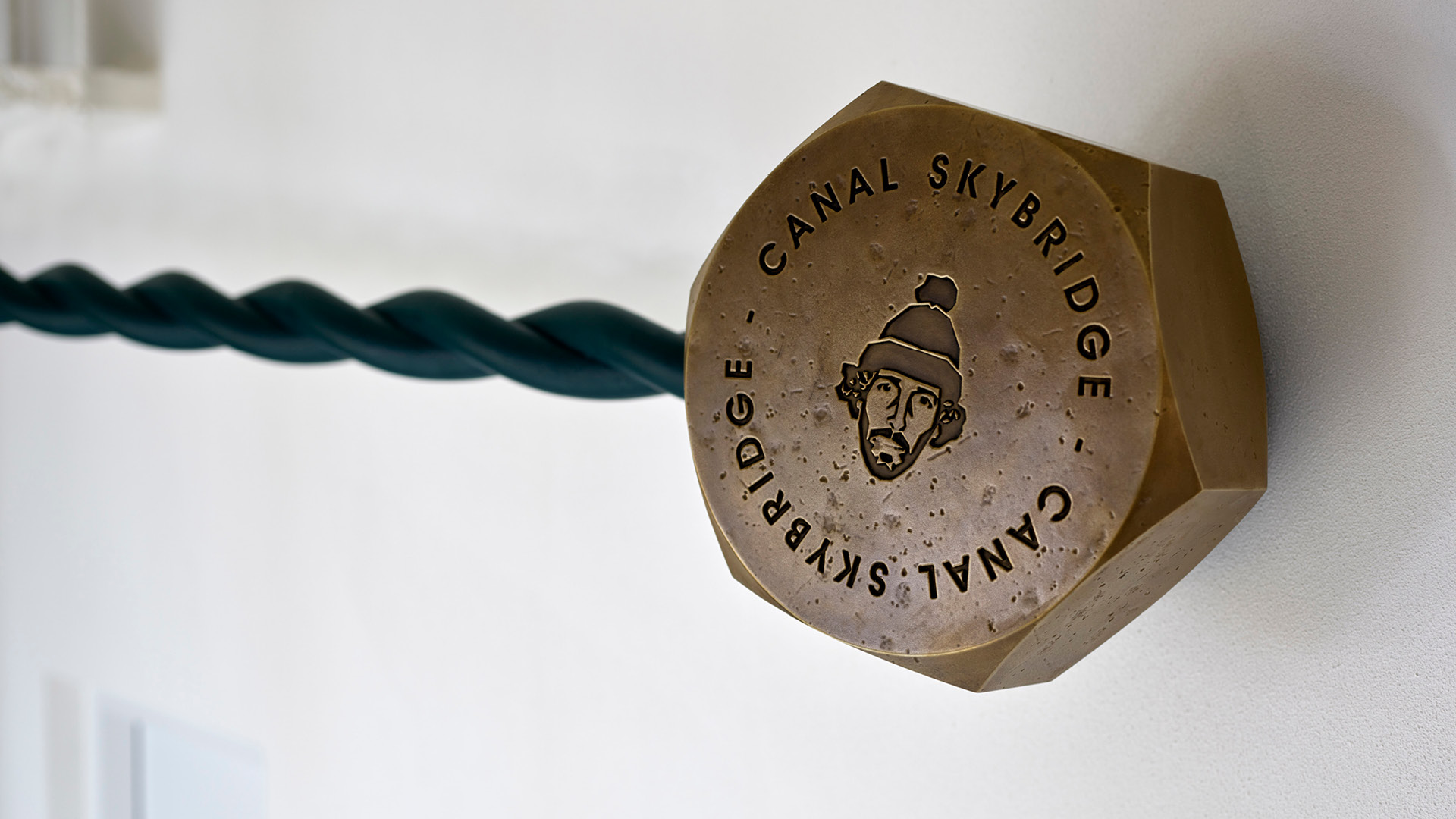
The bridge's facade is made of Acrylic One, with the facade panels formed using composite materials in 3D-printed moulds. The walkable glass floor spans from building to building. The lamppost, the balustrades, and the bolts are also 3D-printed.
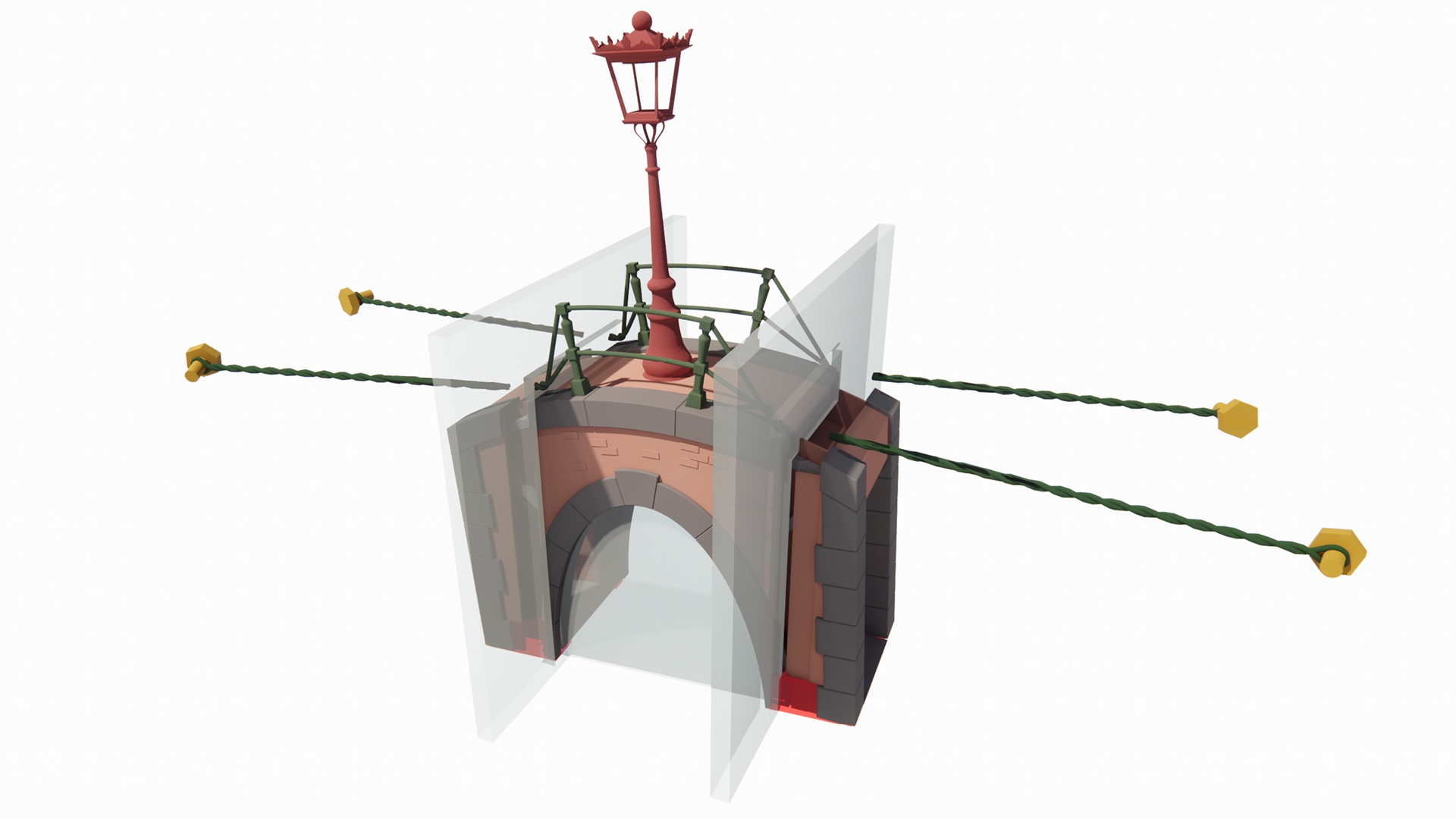
“We were delighted to bring Frankey’s design to life. It was a pleasant and creative process carried out in close collaboration with Frankey and Van Wijnen Heerhugowaard.”
Jaap Hoving, Senior Project Coordinator at Boltt
The result
The bridge, made up of 3D-printed components, is a valuable addition to the city of Amsterdam. Or, as Adyen’s original brief put it: “an icon for the coming decades, one that residents will truly love and that visitors will enjoy exploring.”
We are proud to have played a key role in bringing Frankey’s creative design to life. Adyen’s two offices on Rokin are now literally connected, paying homage to Amsterdam’s iconic canal bridge.
client
Adyen
year
2020–2023
services
BIM Design
Project Coordination
Image
Renders, Street Art by Frankey and Boltt
collaboration
Street art Frankey, 3D Next Level, Nedcam, StudioFriso, Van Wijnen Heerhugowaard, instead of Delft
"It was a real treat to work with Boltt to build something special"
Want to make your design a reality?
We’re happy to work with you to develop a detailed plan for your project. Would you like to take the stress off your shoulders and hand over project coordination to us? No problem, we’ll take care of it.
Call Jurriën at 06 – 14 85 35 74
Or feel free to email jurrien@boltt.nu
More work we're proud of at
{"post_type":"case","posts_per_page":"4","post_status":"publish","ignore_sticky_posts":true,"order":"DESC","orderby":"date","s":"","tax_query":[{"taxonomy":"service","field":"term_id","terms":[3,4,6,5]}]}
the question
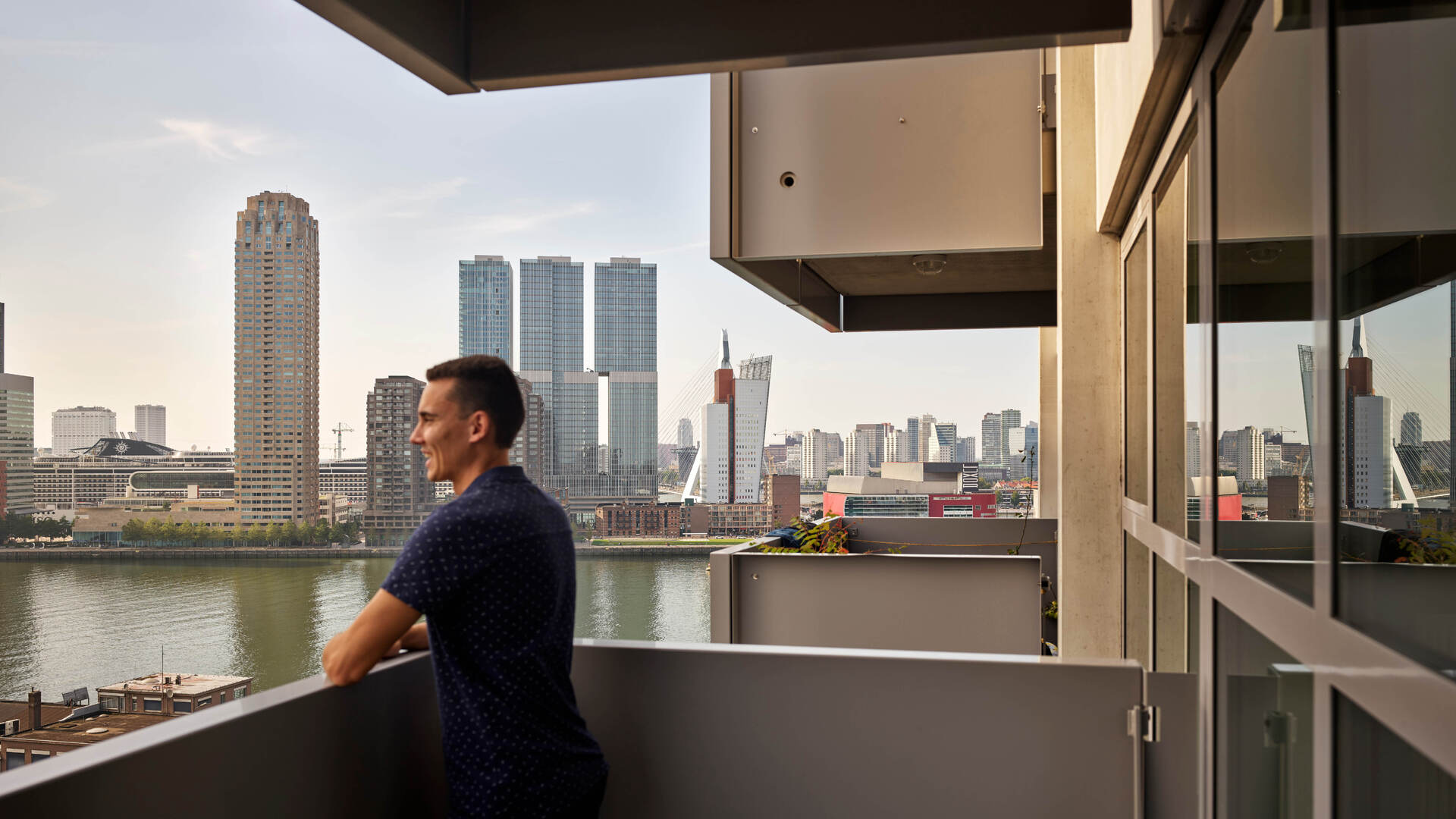
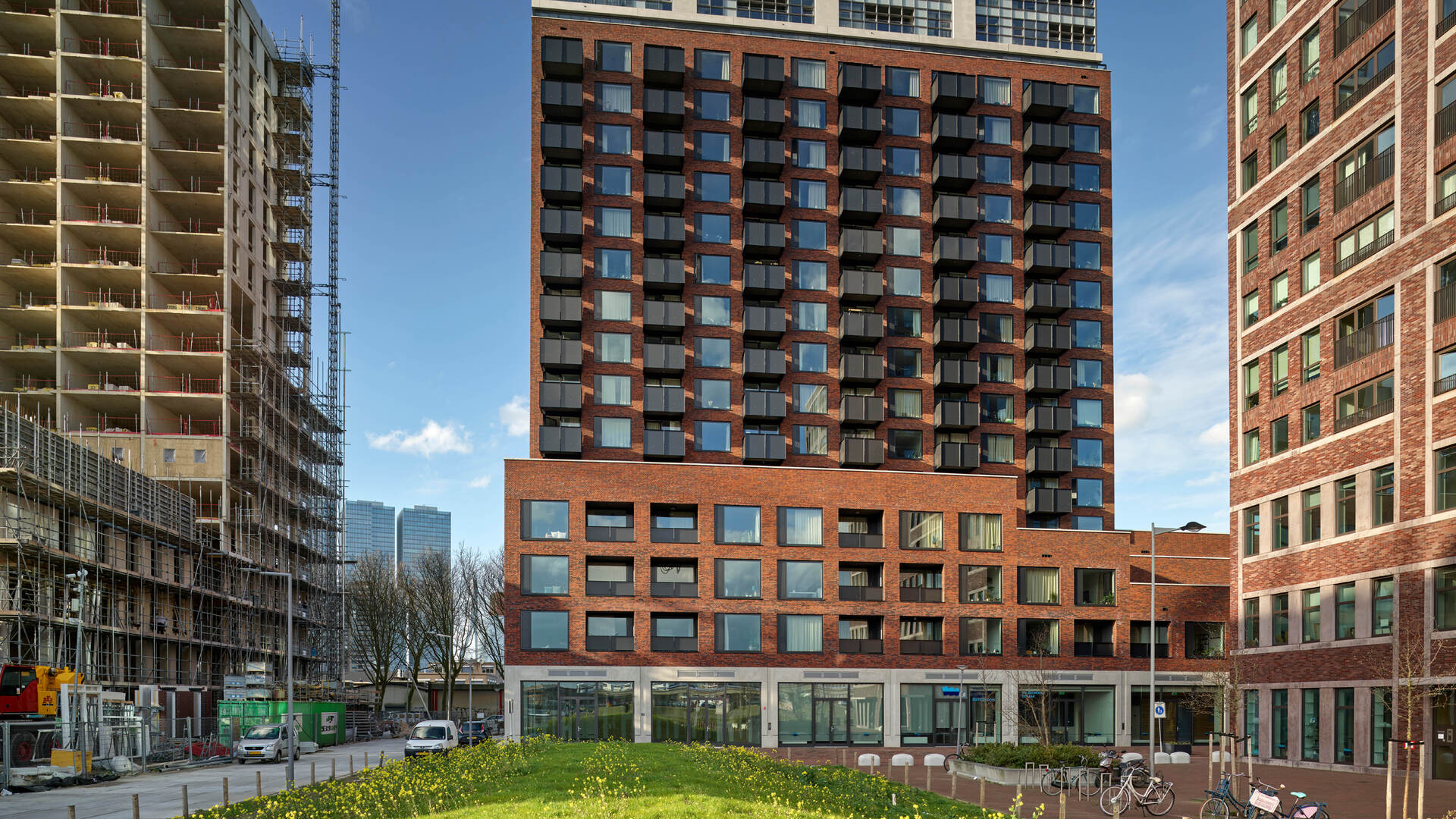
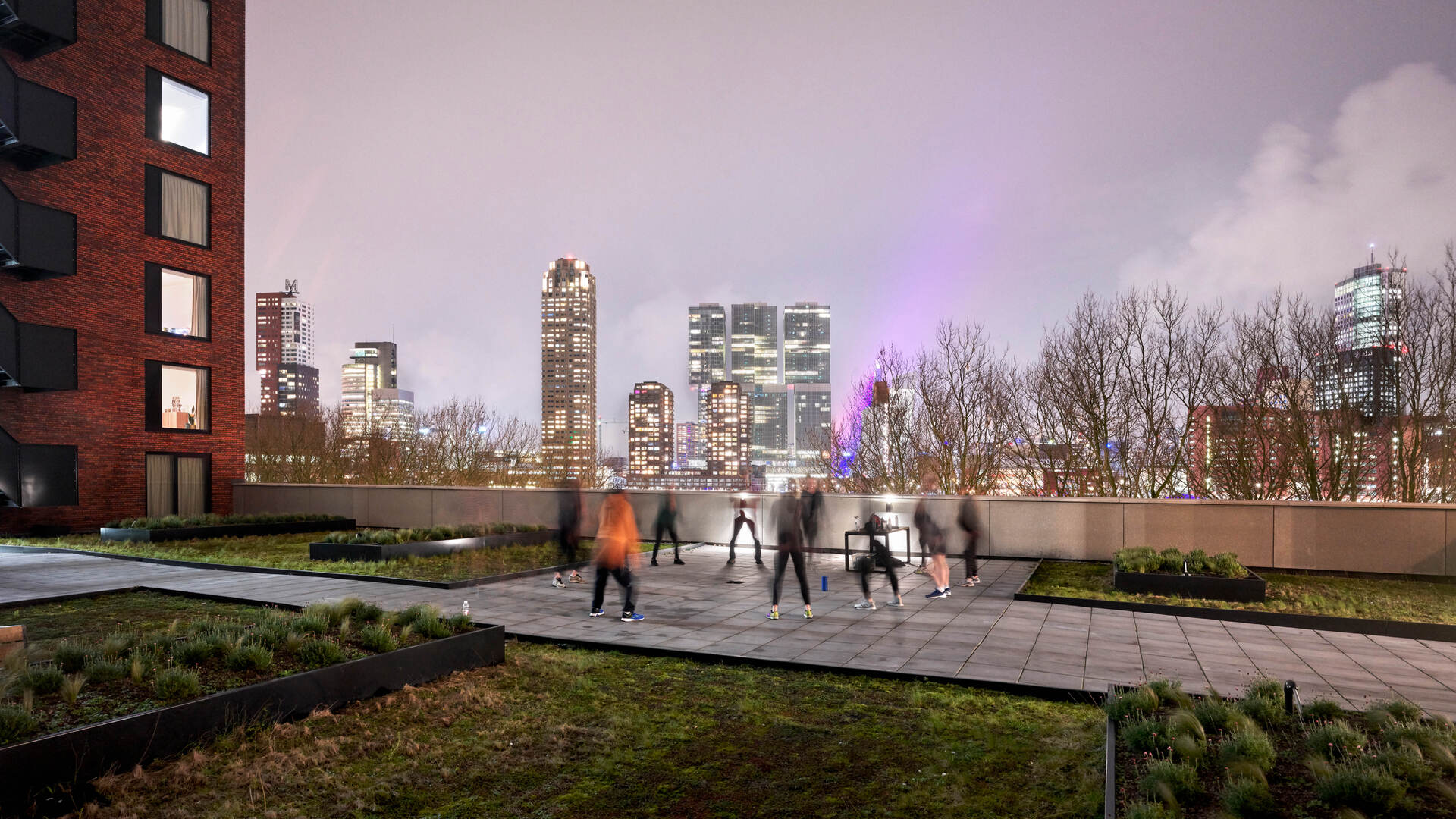
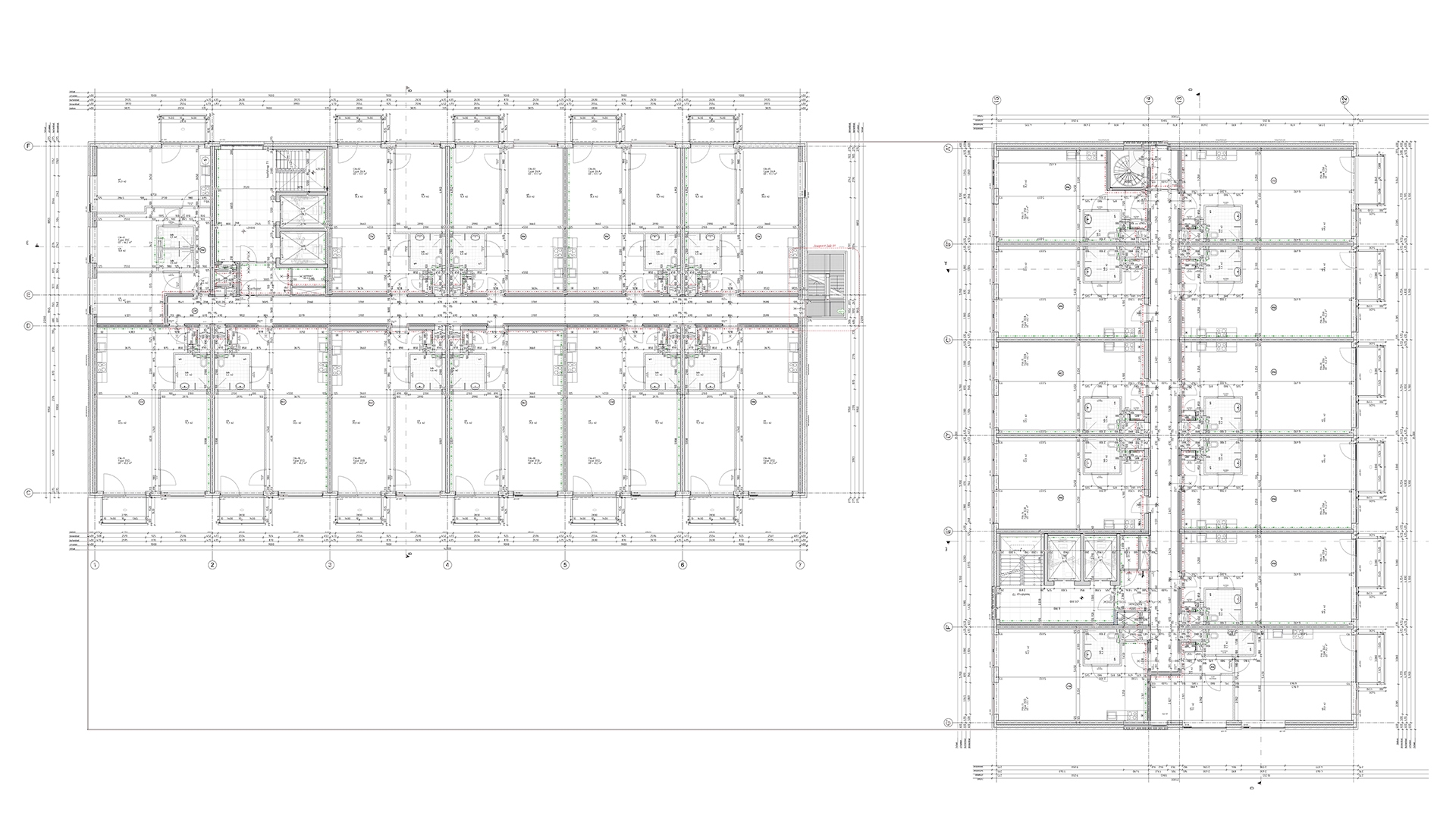
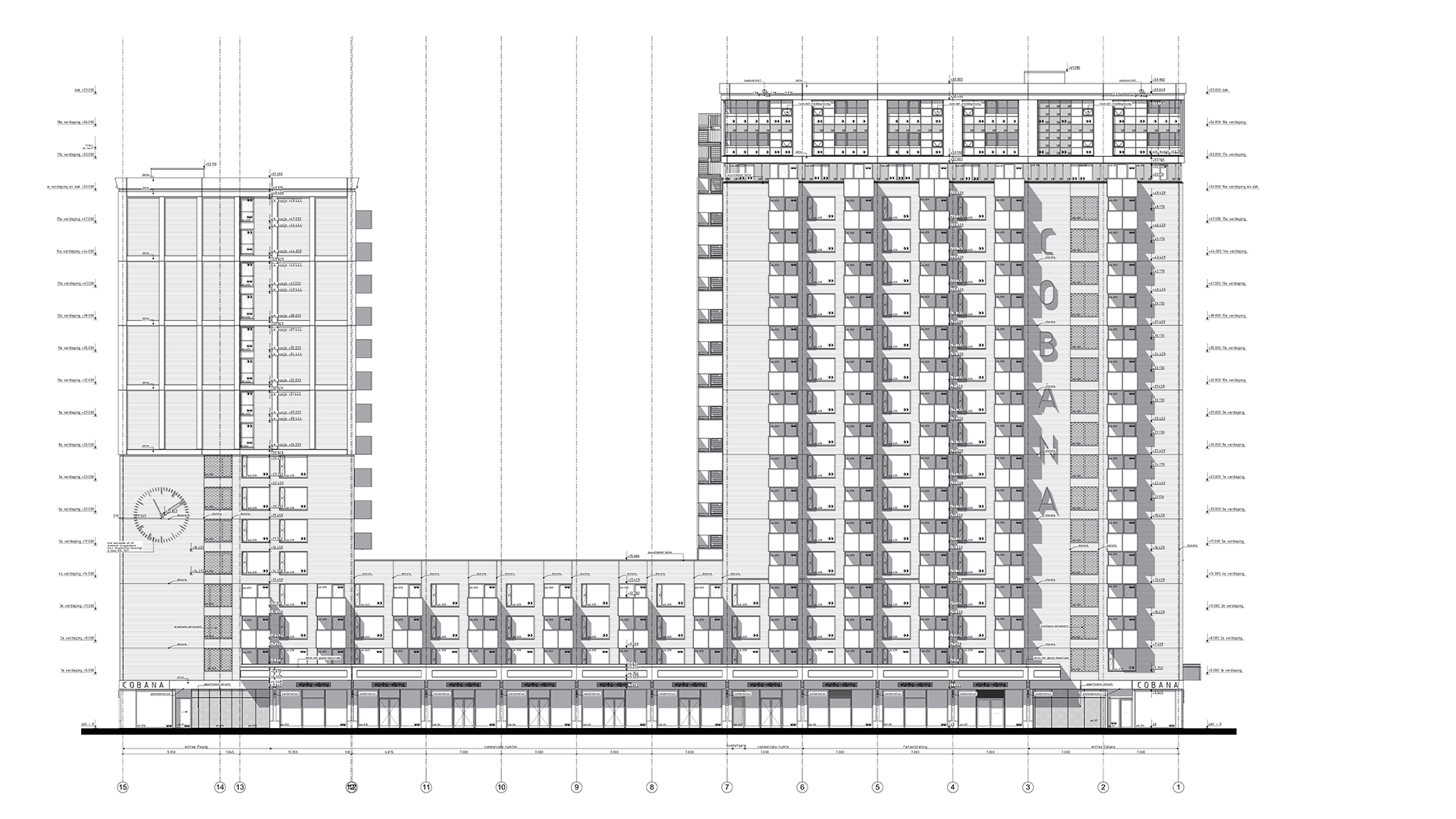
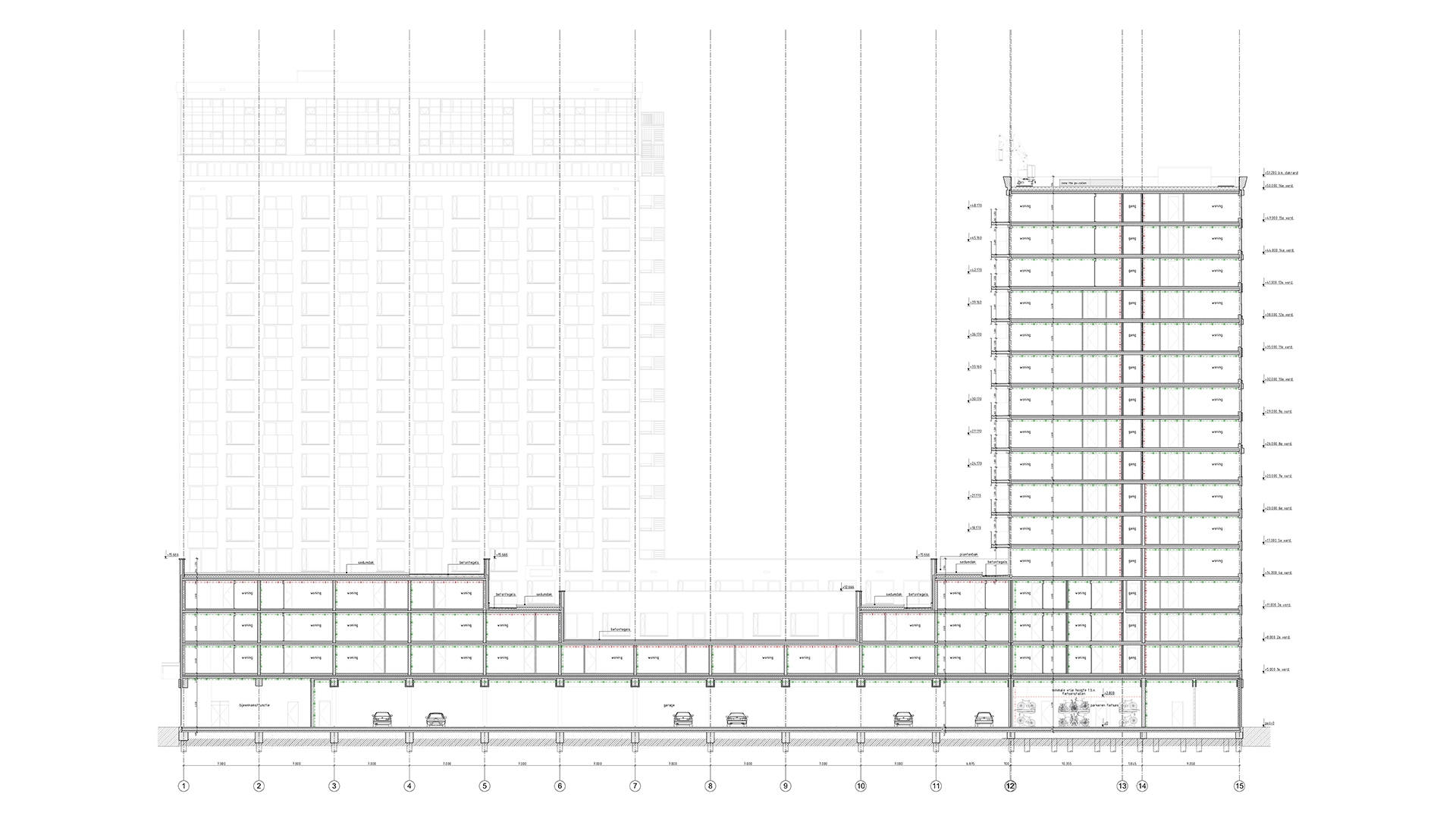
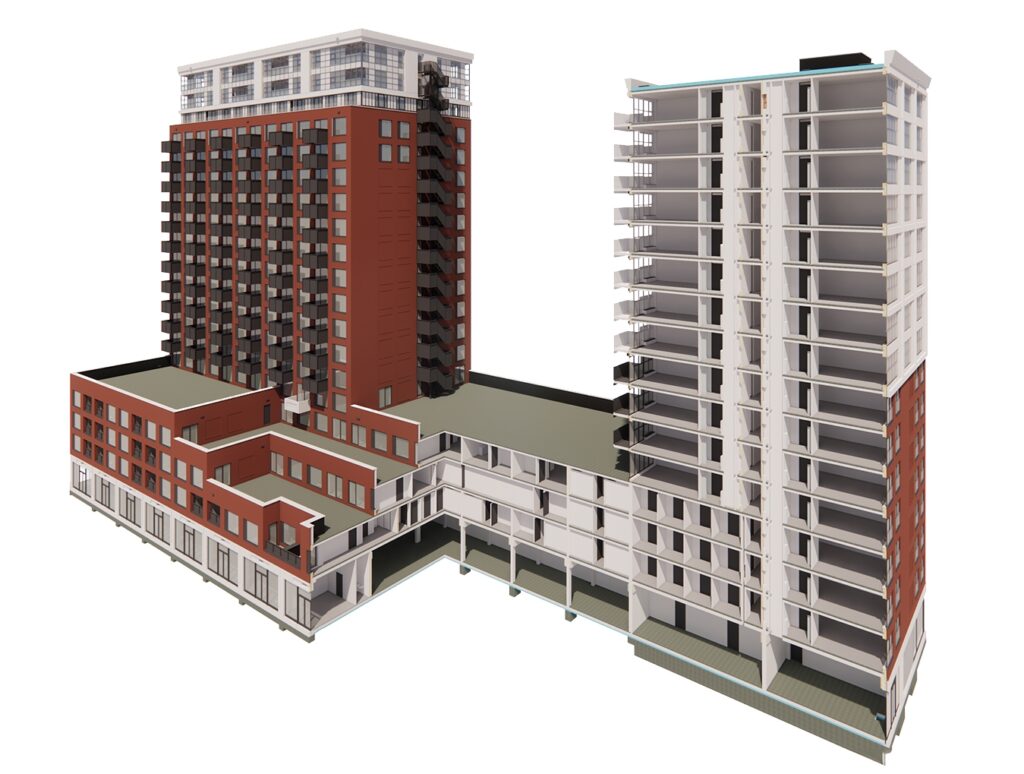
Heijmans Vastgoed asked Boltt to take on the technical design of two residential towers with roof gardens in Katendrecht, Rotterdam. The project forms part of the transformation of this former dockland area and provides 375 apartments within approximately 35,000 m² of gross floor area, together with a range of shared facilities for young professionals in Rotterdam.
The transfer of the building to IC Netherlands had been determined at an early stage. While this offered clarity, it also meant that Boltt had to manage a compressed design and development process.
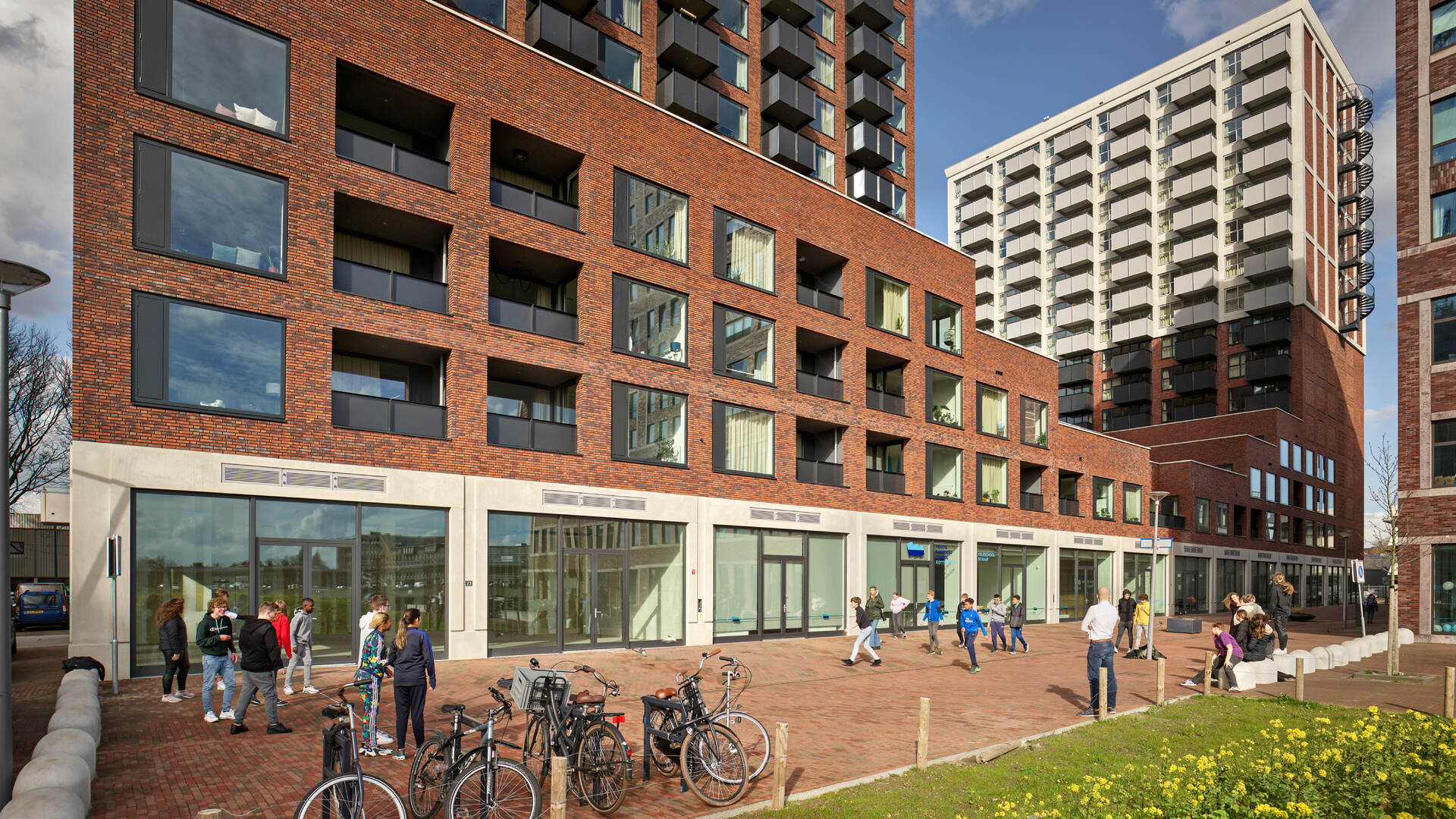
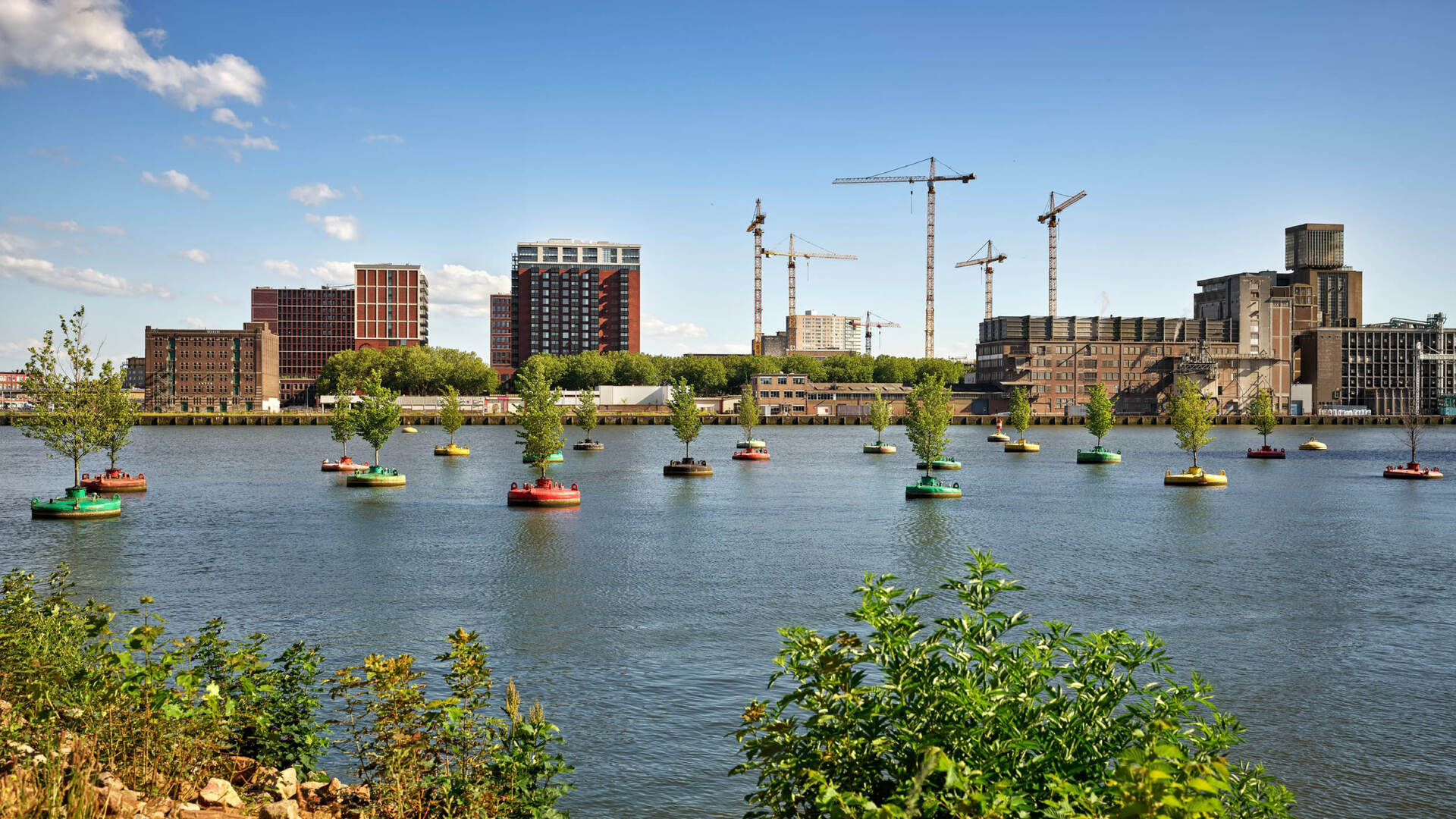
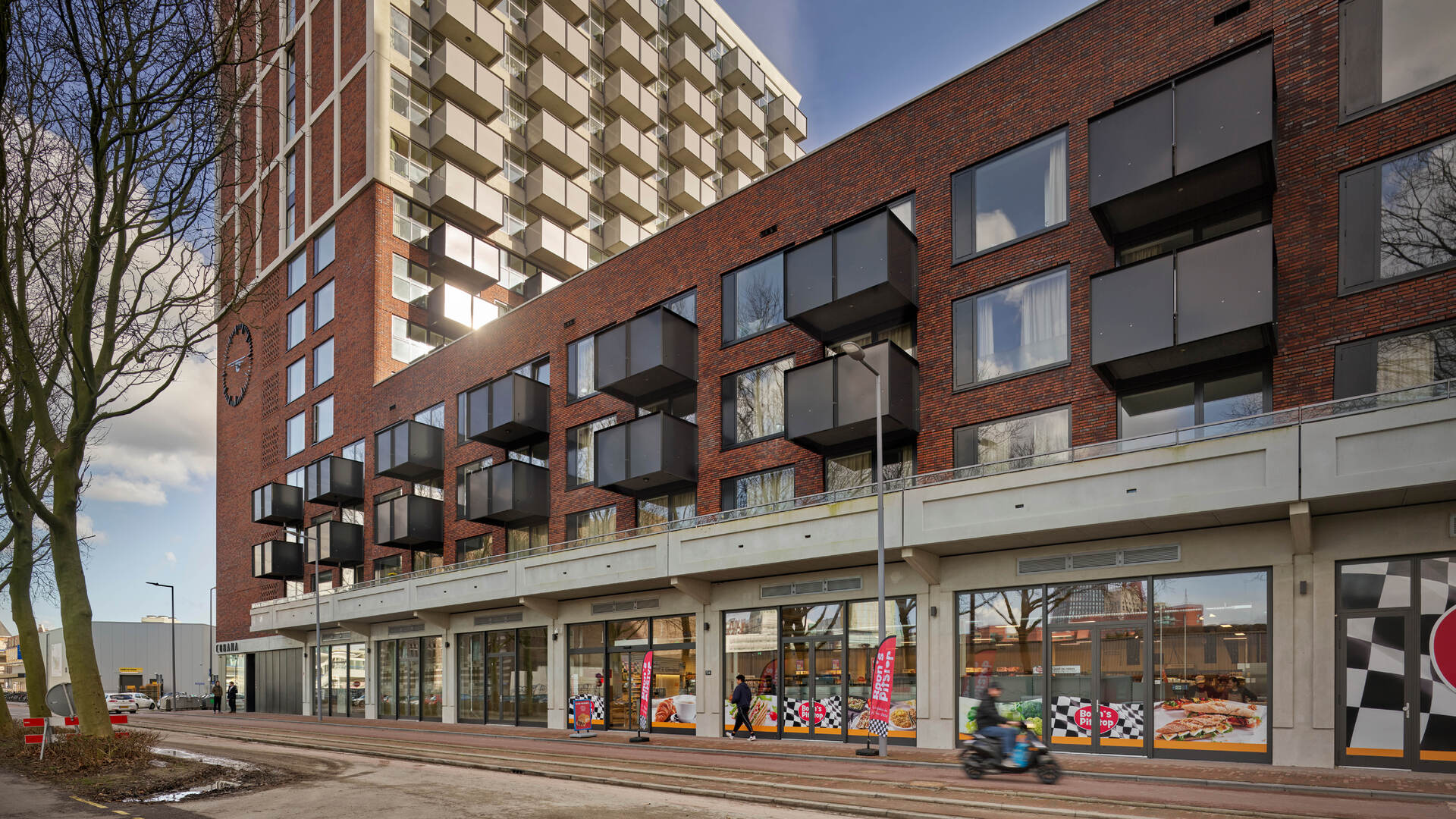
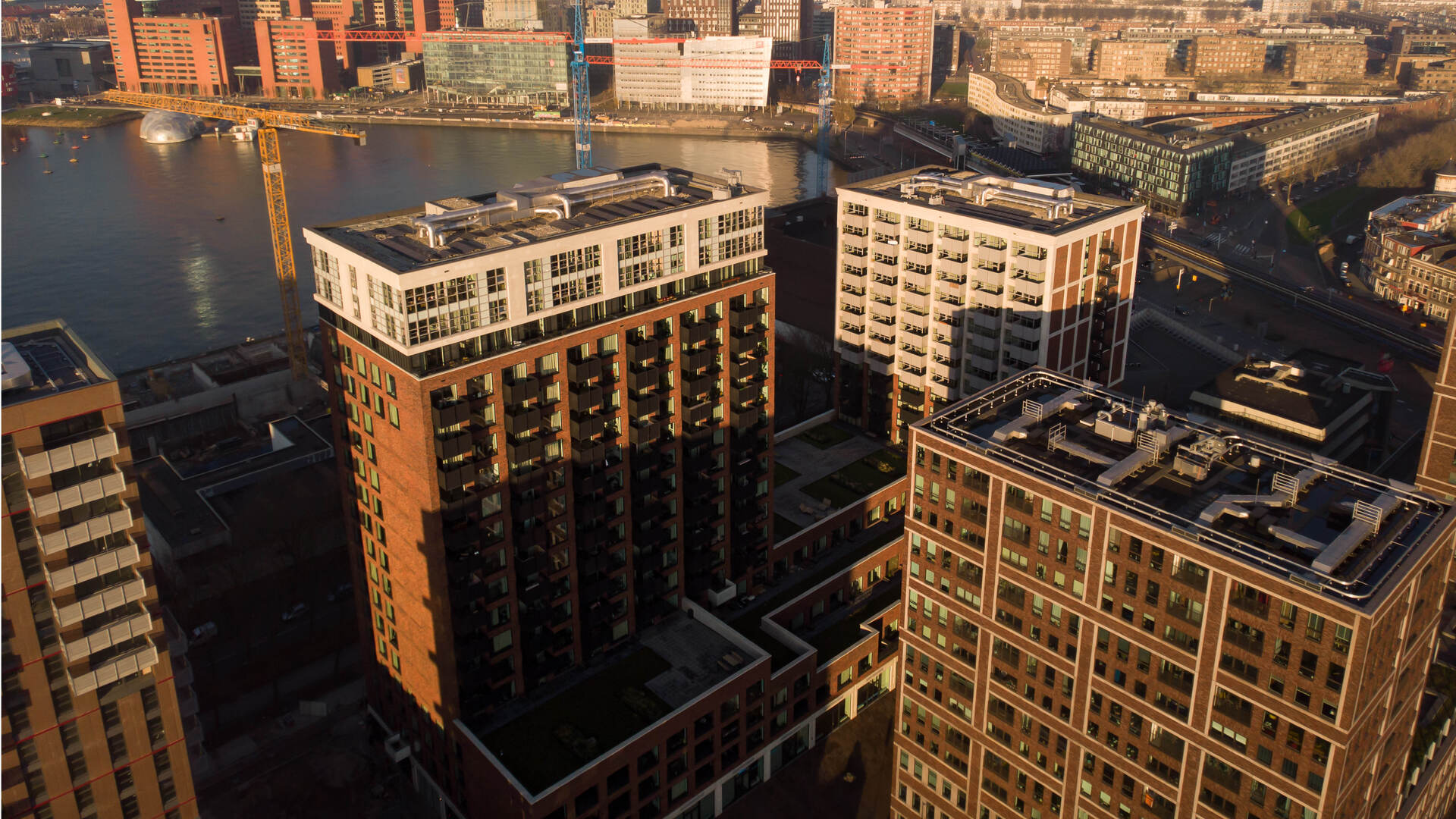
the approach
From the preliminary design onwards, the project was developed as part of a construction team together with contractor Heijmans Woningbouw. In addition to the design work and technical development of the scheme, Boltt played a coordinating role and facilitated the BIM process throughout. The construction team met weekly in Rotterdam, allowing decisions to be taken quickly and the process to move forward with both speed and care.
The detailing was developed in close collaboration with Heijmans Woningbouw and its subcontractors. Because these subcontractors also contributed to the process as part of the construction team, the model and detailing took shape at a relatively early stage. As a result, fewer changes were required later in the process. This led to a key question: could the prefabricated structural elements already be produced during the design phase? In other words, how could the process be organized as efficiently as possible t?
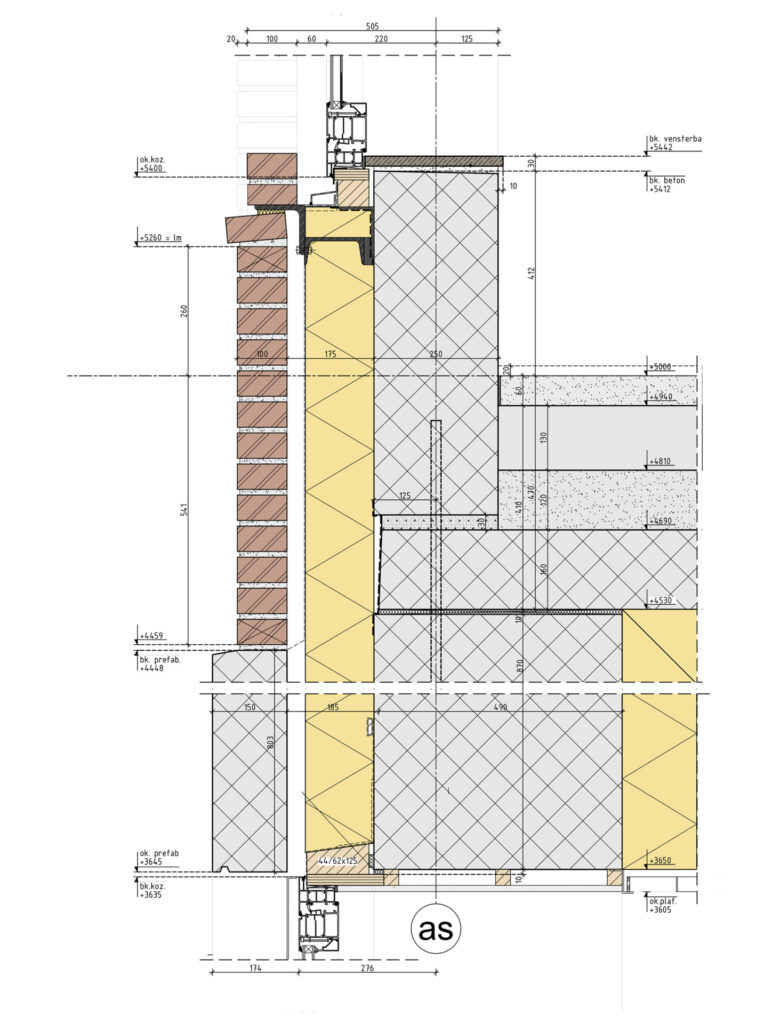
“The short construction time was made possible by close collaboration and thorough technical preparation from the outset. We coordinated the detailing and the building model with great care, resulting in a reliable BIM model throughout the process.”
Marcel Bakker, Senior Technical Designer at Boltt
The result
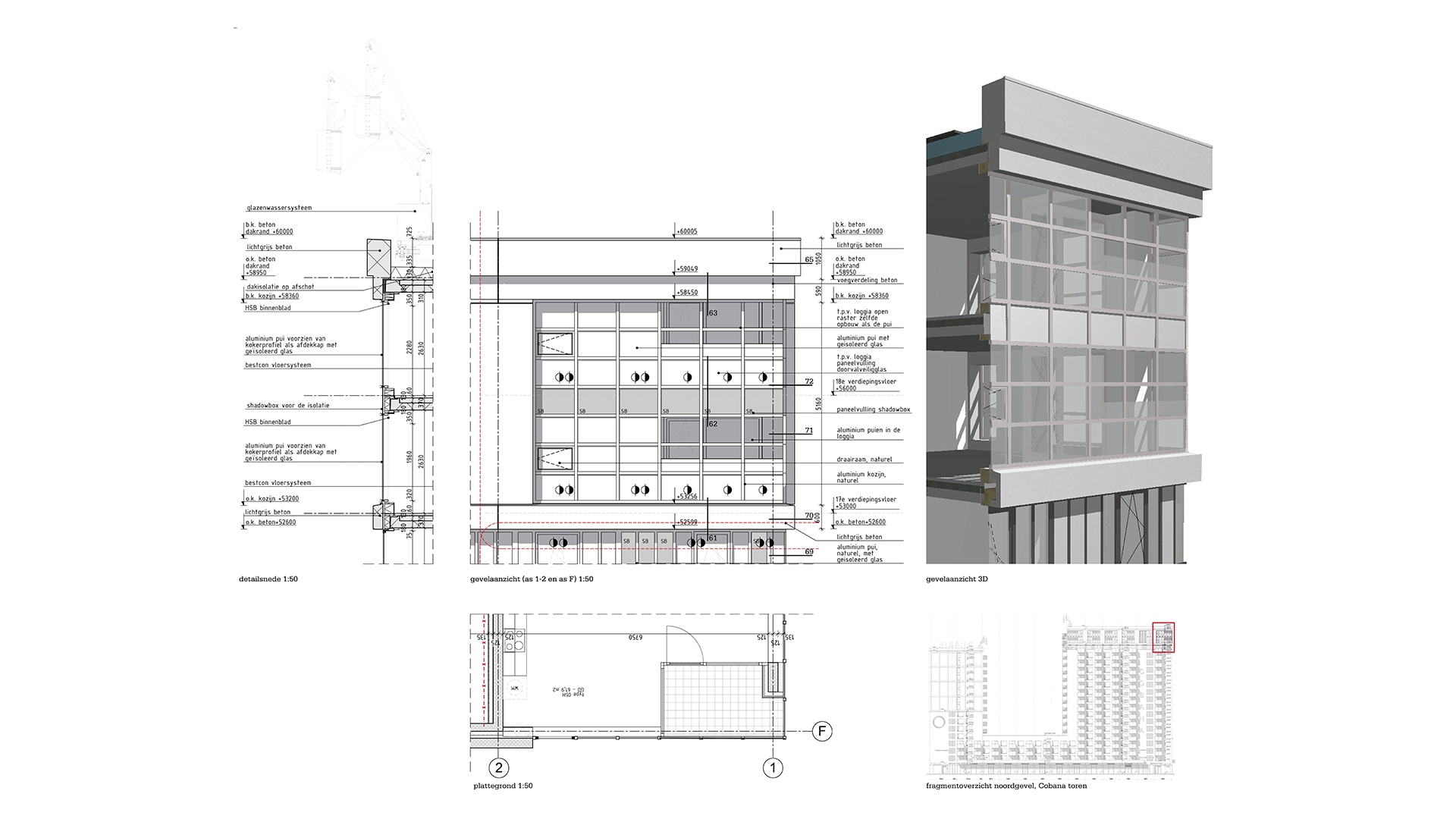
By committing to prefabrication at an early stage, the construction period could be shortened and the process organized more efficiently. The design teams, contractor, suppliers, and manufacturers were able to collaborate in BIM and deliver integrated prefabricated elements directly to the site. Not only were prefabricated concrete elements used for the structural shell and exposed concrete, but the timber-frame facade infill was also delivered as prefabricated elements, complete with glazed window frames, and installed in a single operation.
This approach, combined with a tight schedule and strong execution by the contractor, enabled Cobana to add high-quality, affordable housing to a changing part of the city.
client
Heijmans Real Estate
year
2016–2019
services
BIM Coordination
BIM Implementation
Image
Photography by Kees Hummel
collaboration
Bartels Engineering, Heijmans Residential Construction, IC Netherlands, IMd Consulting Engineers, ISIS Construction Consulting, Koning Real Estate Consulting, Nieman Group Utrecht, Rijnboutt, Rockfield
Want to shorten the implementation time?
We streamline the BIM process and coordinate effectively with the other project partners to support an efficient delivery process. Would you like to know more?
Call Jurriën at 06 – 14 85 35 74
Or feel free to email jurrien@boltt.nu
More work we're proud of at
{"post_type":"case","posts_per_page":"4","post_status":"publish","ignore_sticky_posts":true,"order":"DESC","orderby":"date","s":"","tax_query":[{"taxonomy":"service","field":"term_id","terms":[3,4,6,5]}]}
the question
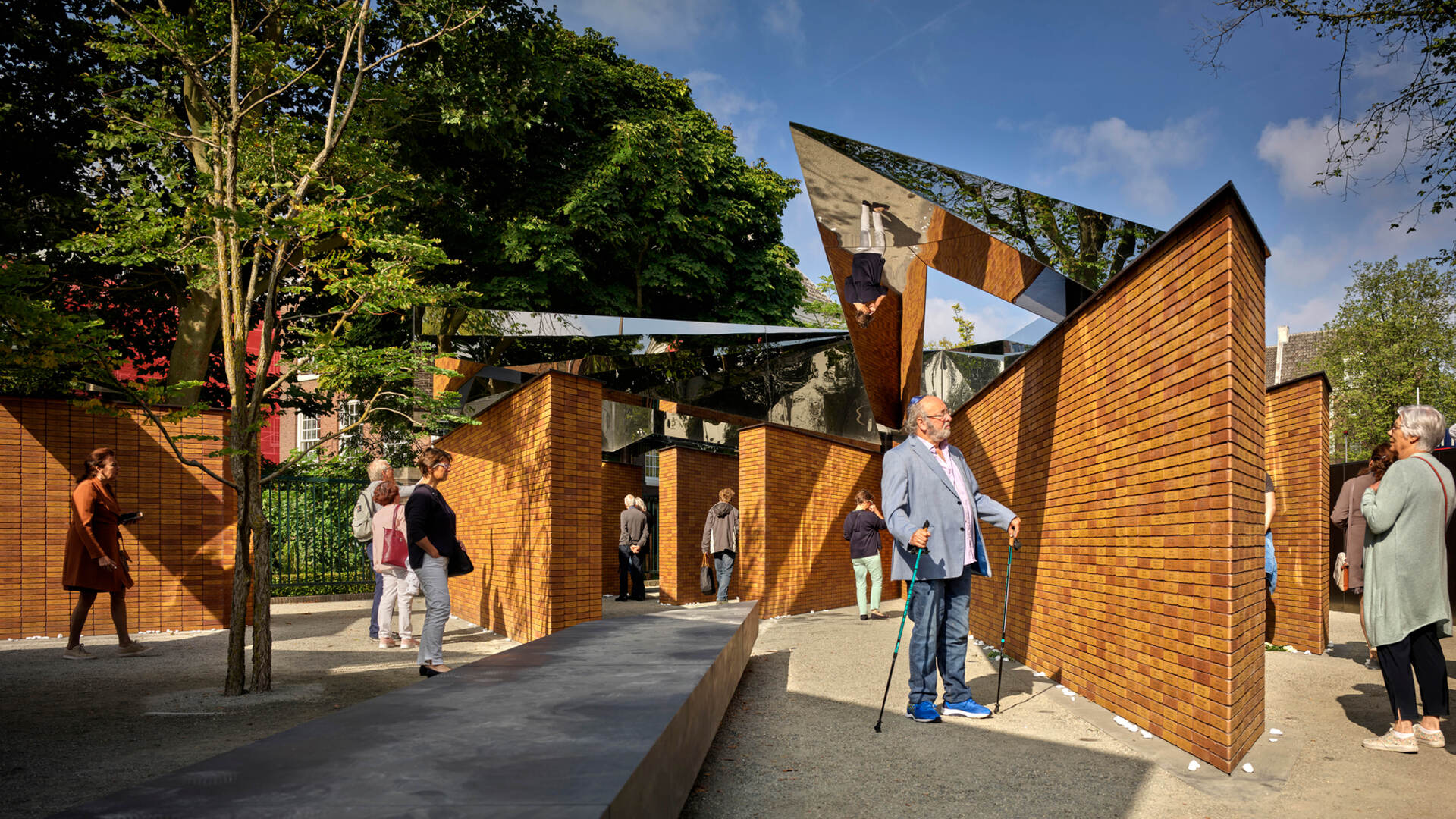
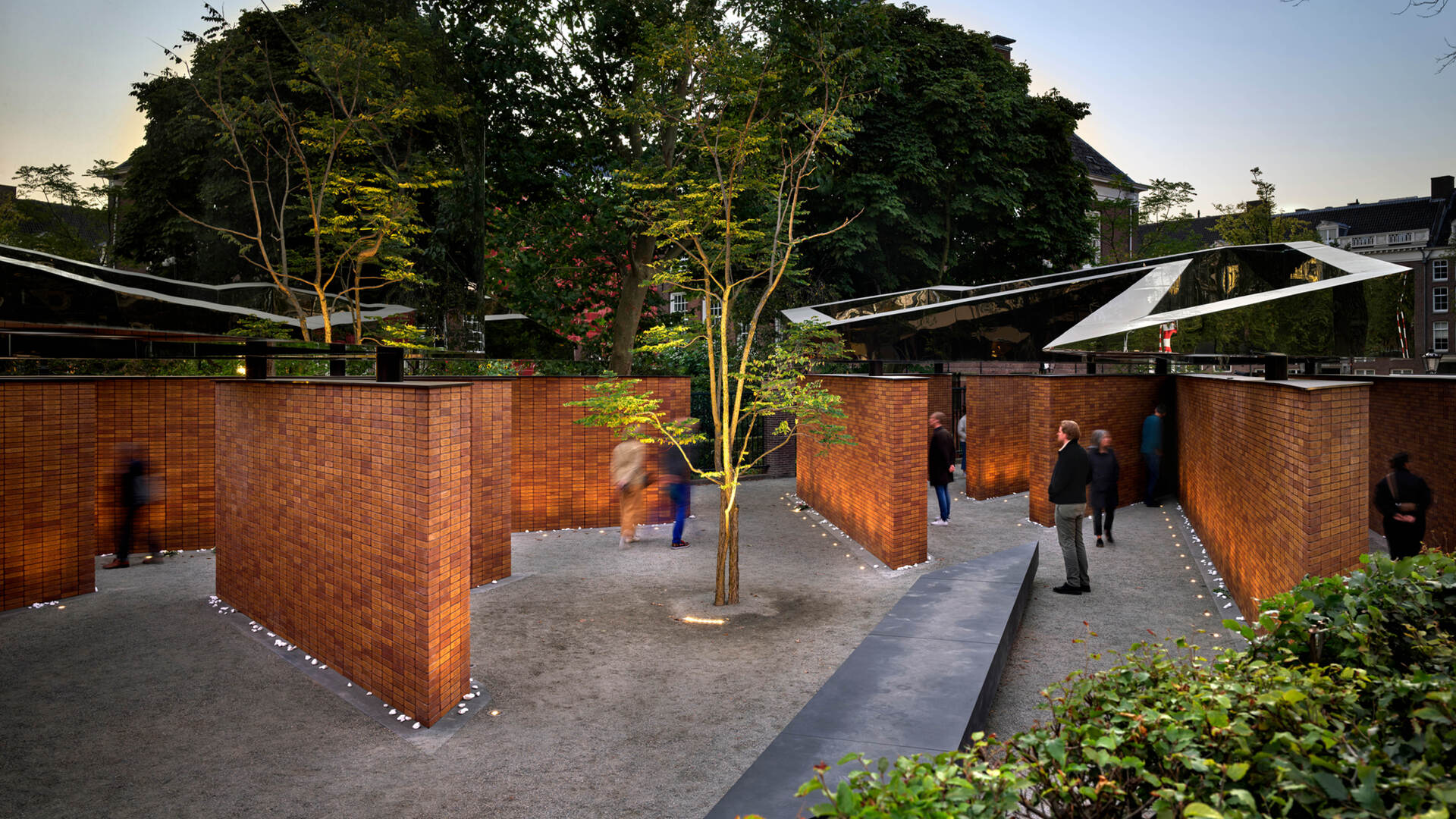
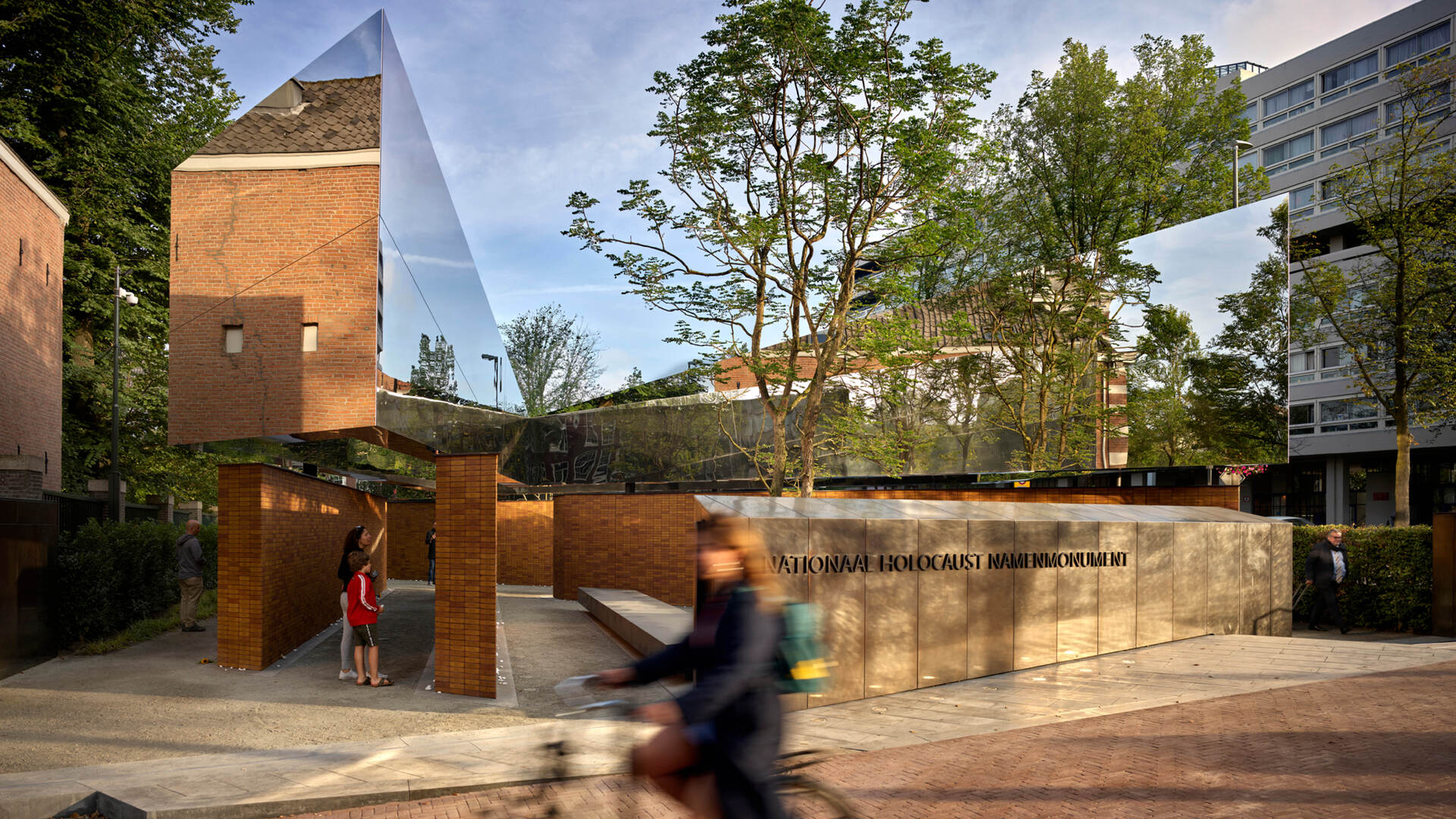
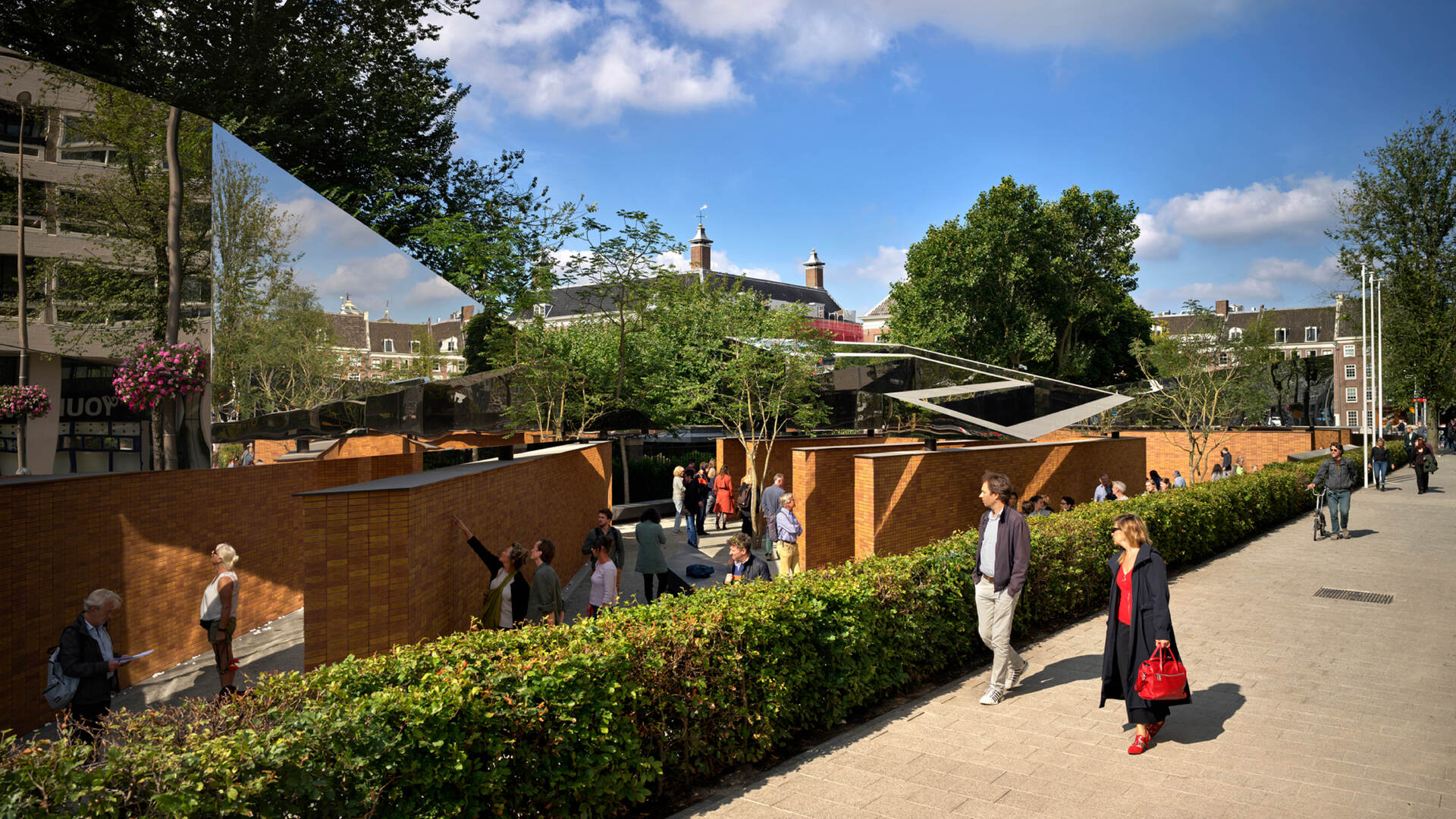
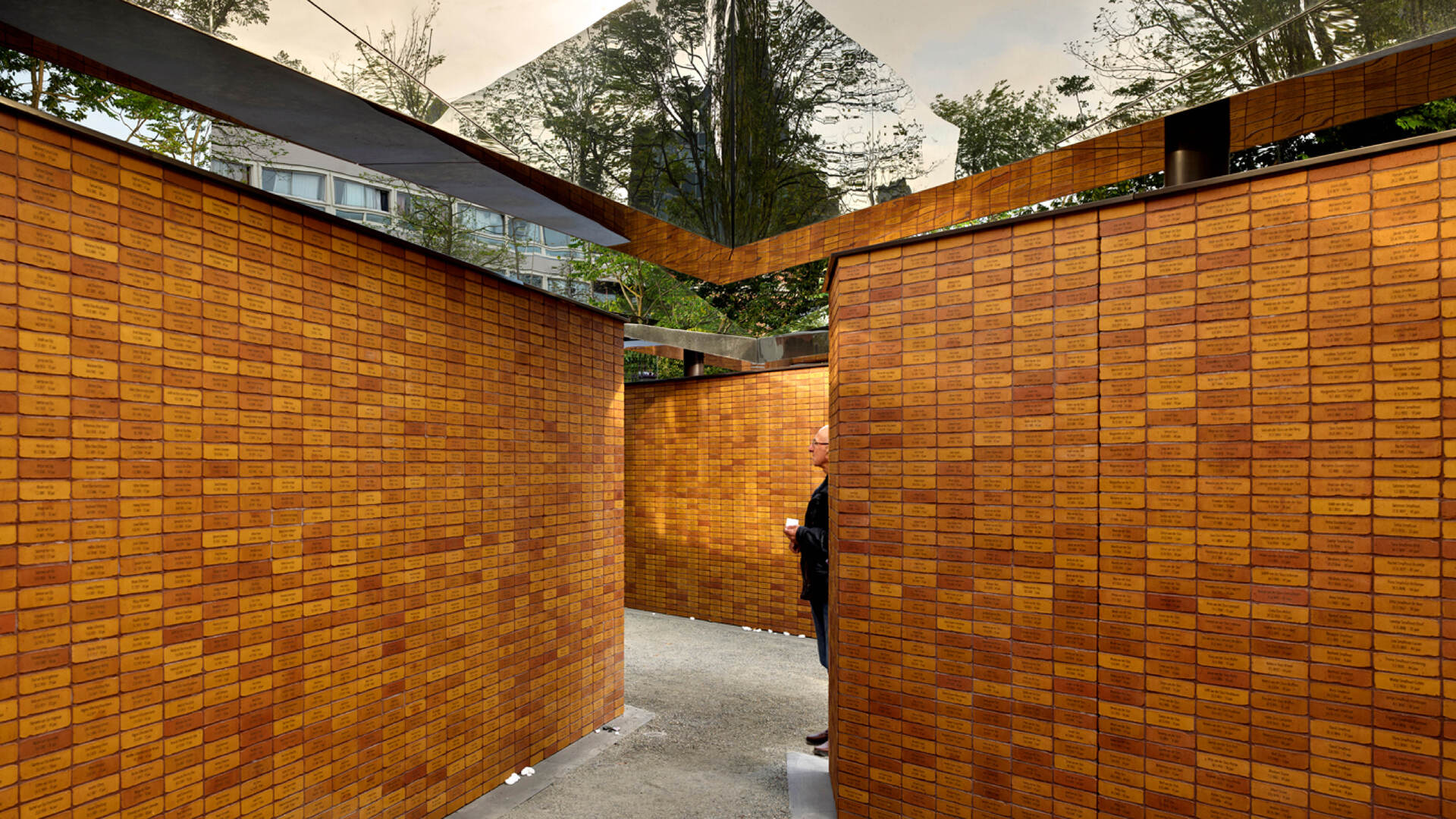
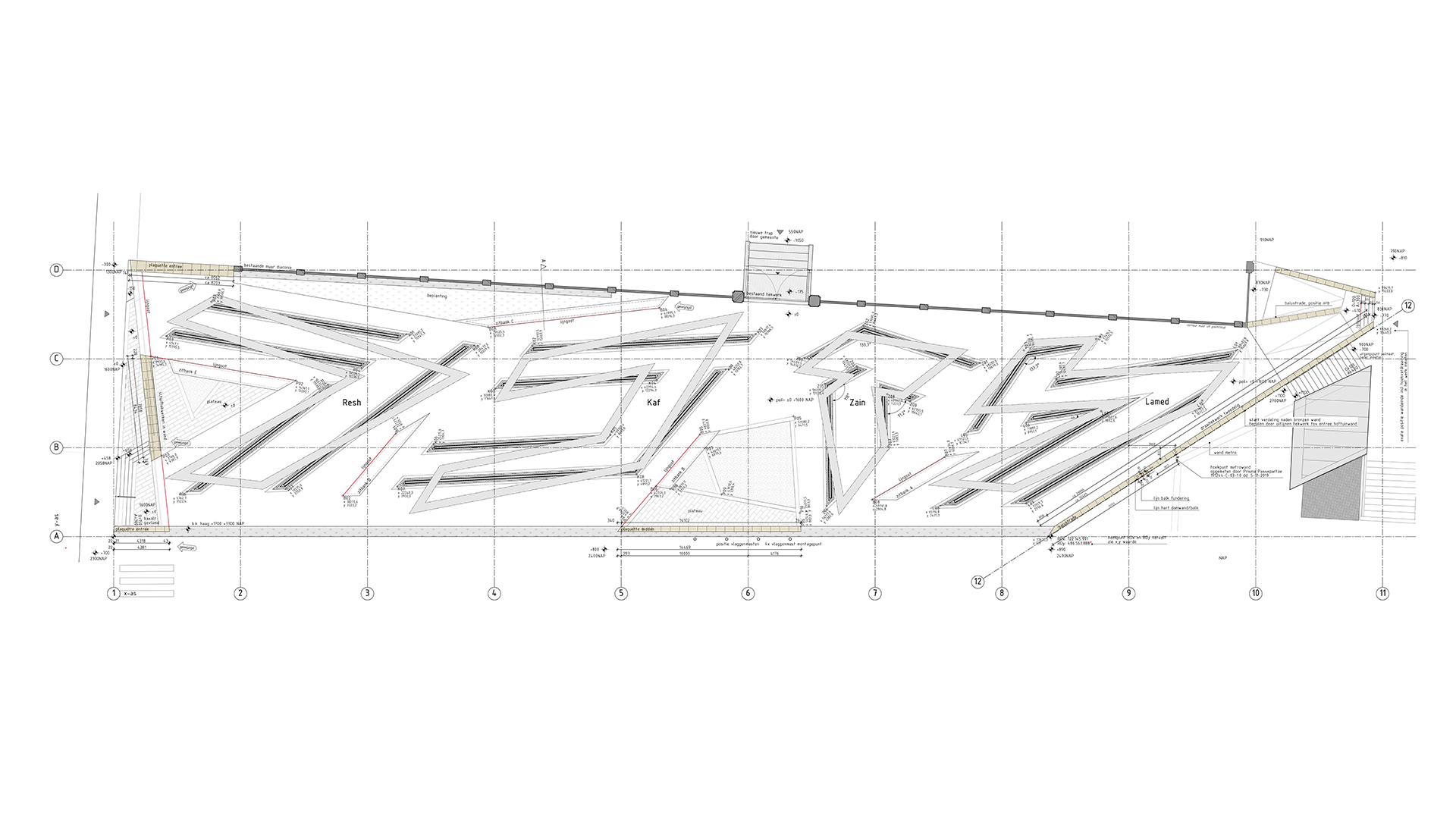
In 2016, the Dutch Auschwitz Committee, in collaboration with the Polish-Jewish architect Daniel Libeskind, unveiled the design for the Dutch Holocaust Memorial. This national monument, located in the heart of Amsterdam’s Jewish Quarter, honours the more than 102,000 Dutch victims of the Holocaust.
The Dutch Auschwitz Committee approached us to coordinate the design process, the permitting procedures, and the technical development of the monument. Design firm Rijnboutt was responsible for the urban integration and landscape design, while Studio Libeskind remained responsible for the aesthetic guidance.
the approach
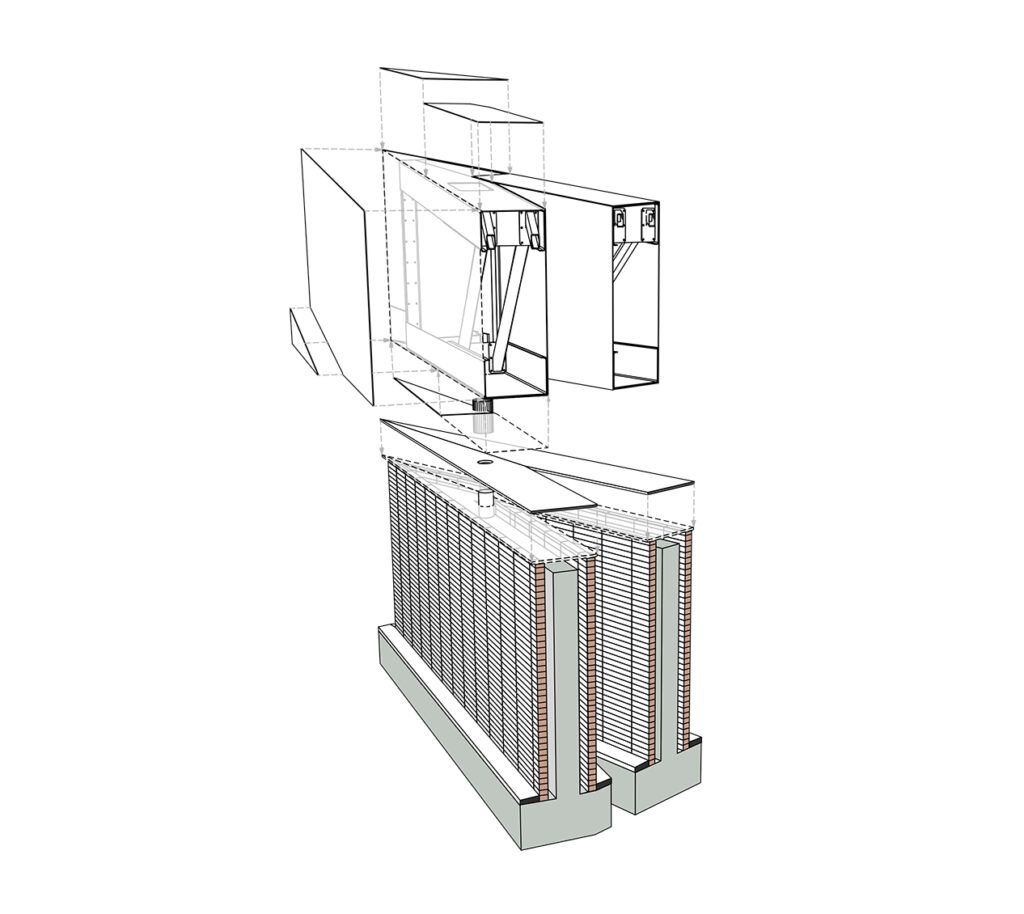
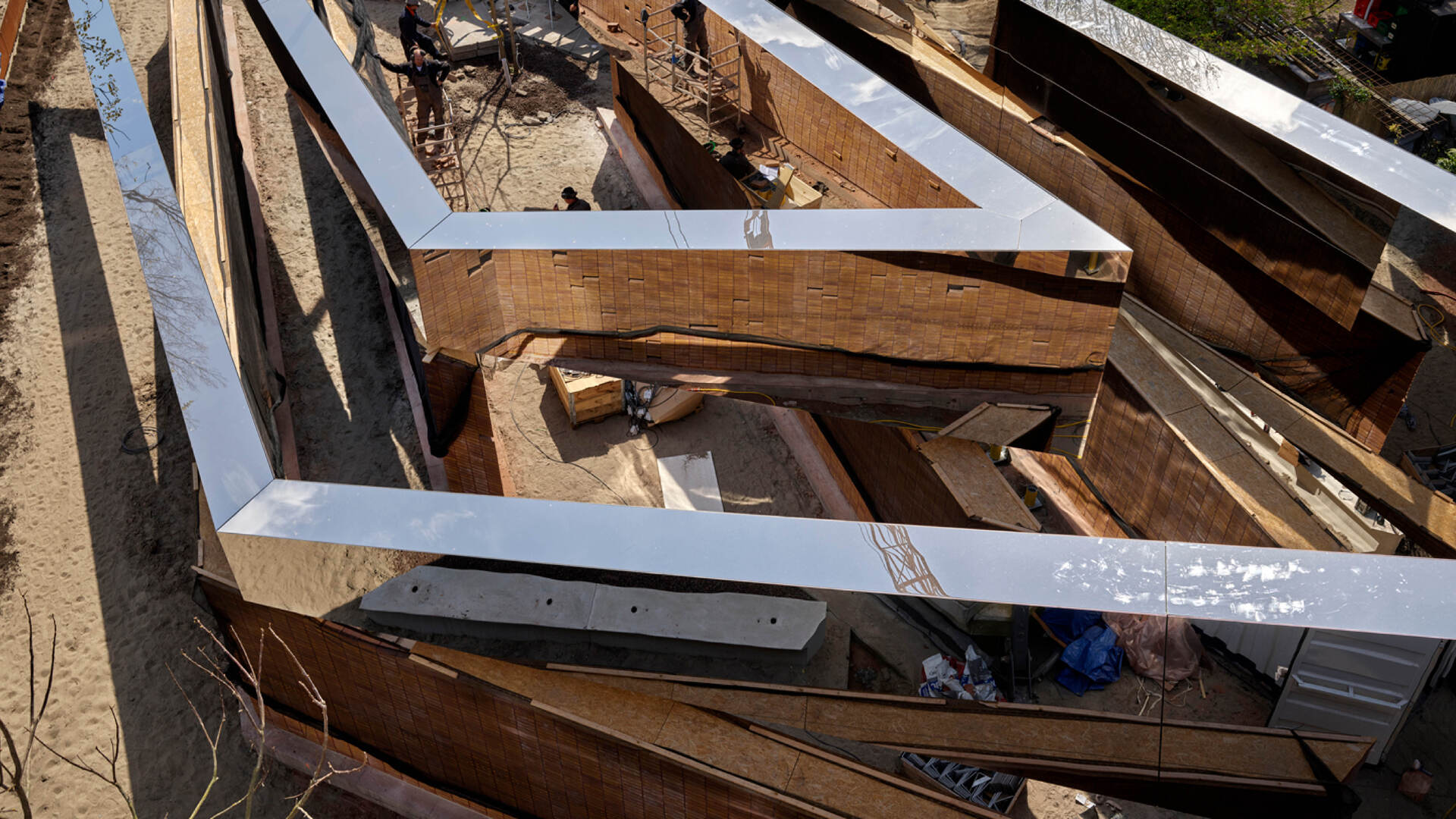
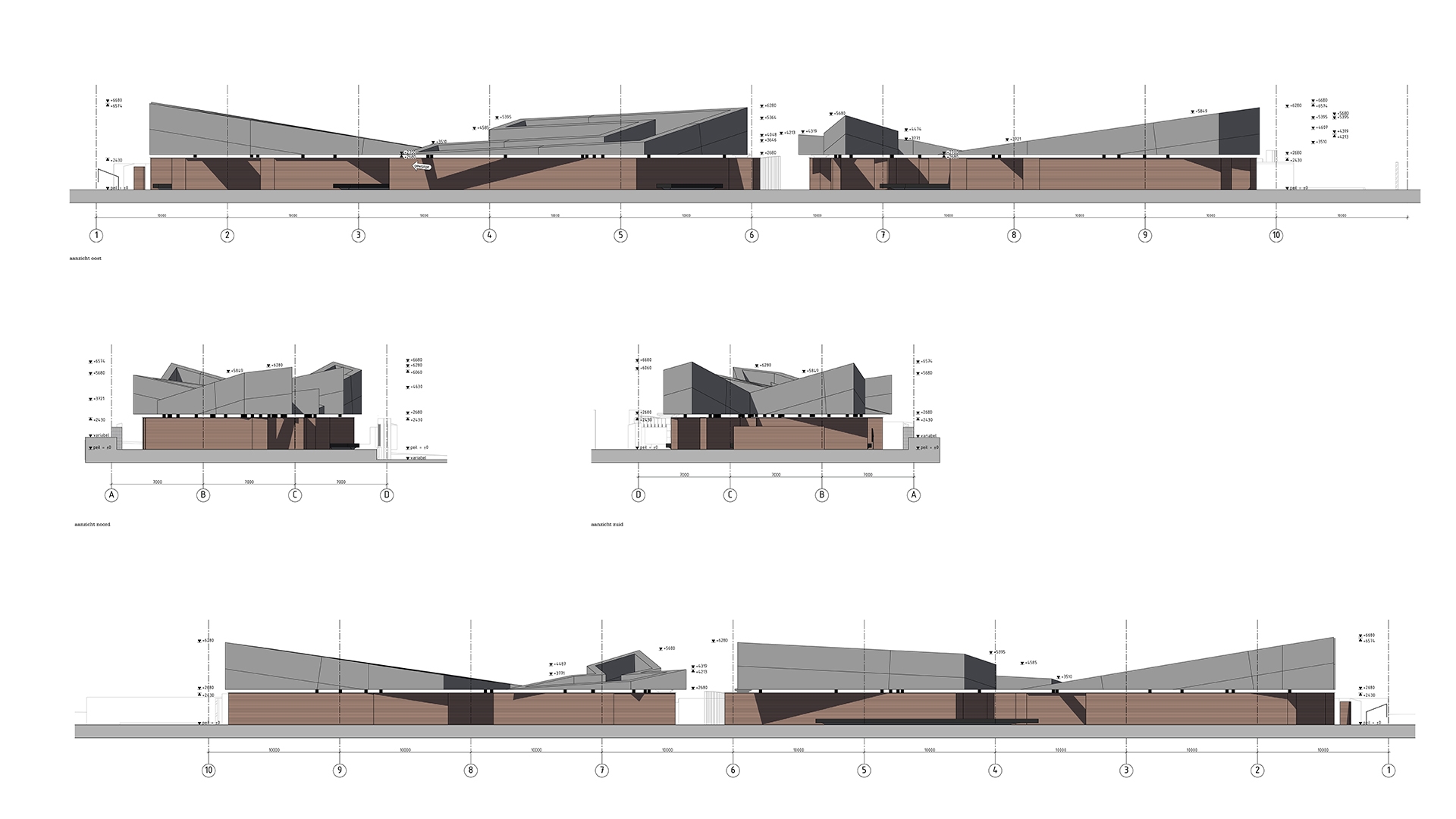
Drawing on our knowledge of local construction practices and our background as designers, we assisted Studio Libeskind with the technical development and construction of this monument. The monument’s eventual completion was preceded by a complex process that spanned five years.
Every change or addition, from extra names to lamps and fences, and every minor obstacle along the way was immediately incorporated into the model.
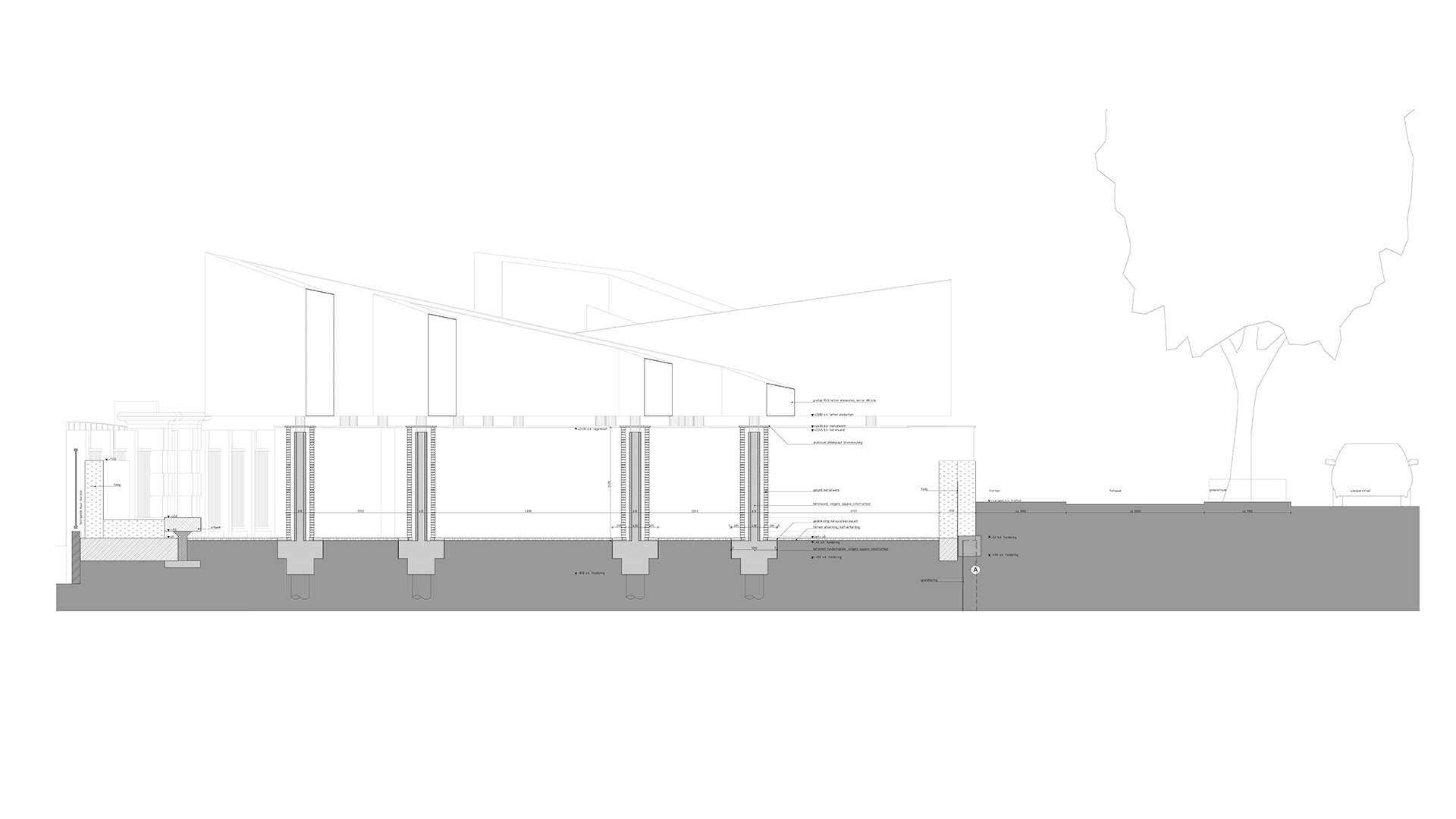
By providing 3D models and detailed drawings, we were able to illustrate the implications for all external consultants involved. Since the focus had to remain entirely on the monument, all necessary but distracting technical elements had to be subtly concealed. Throughout the process, we worked closely with Studio Libeskind to find the best solution in every instance.
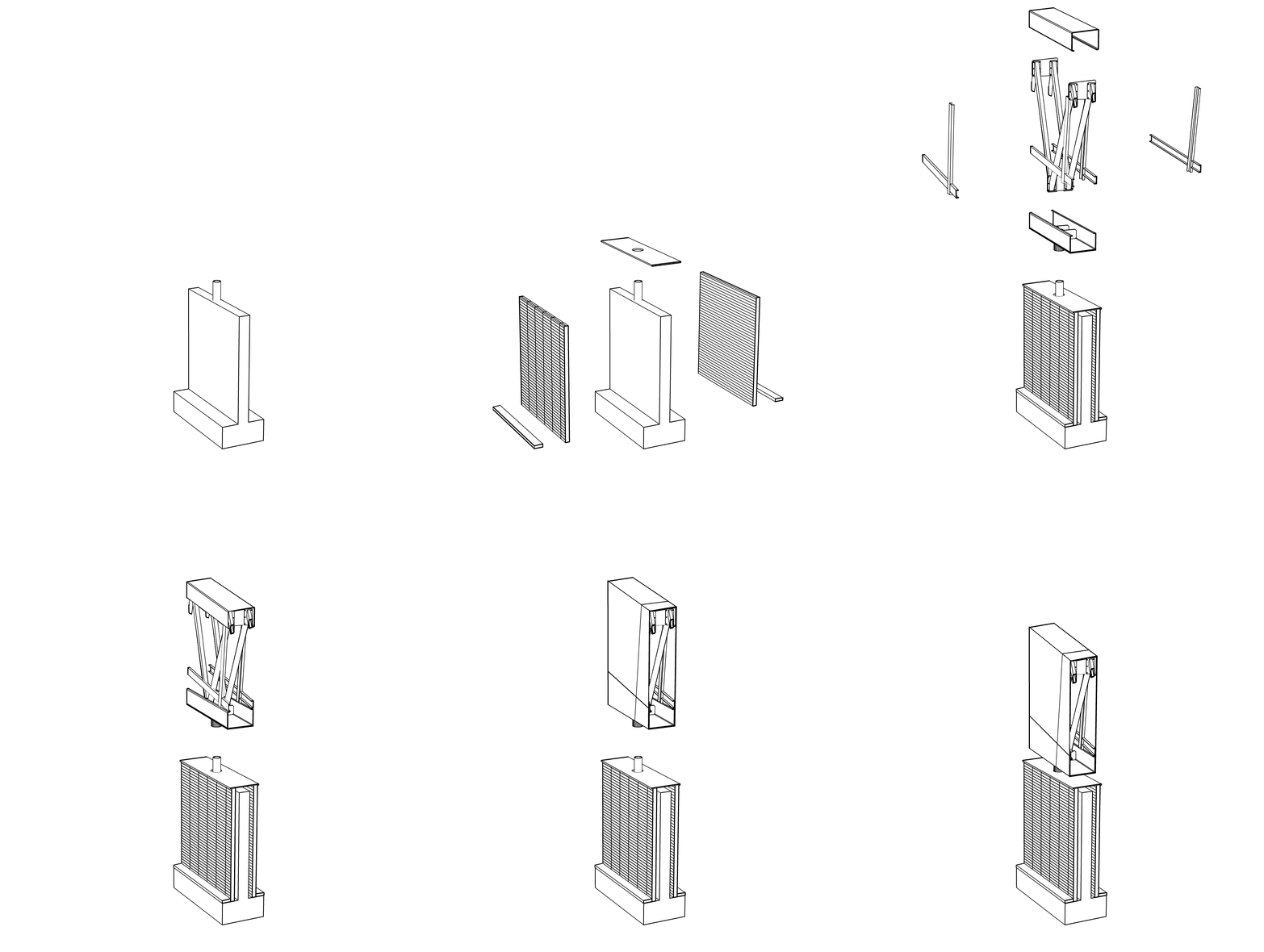
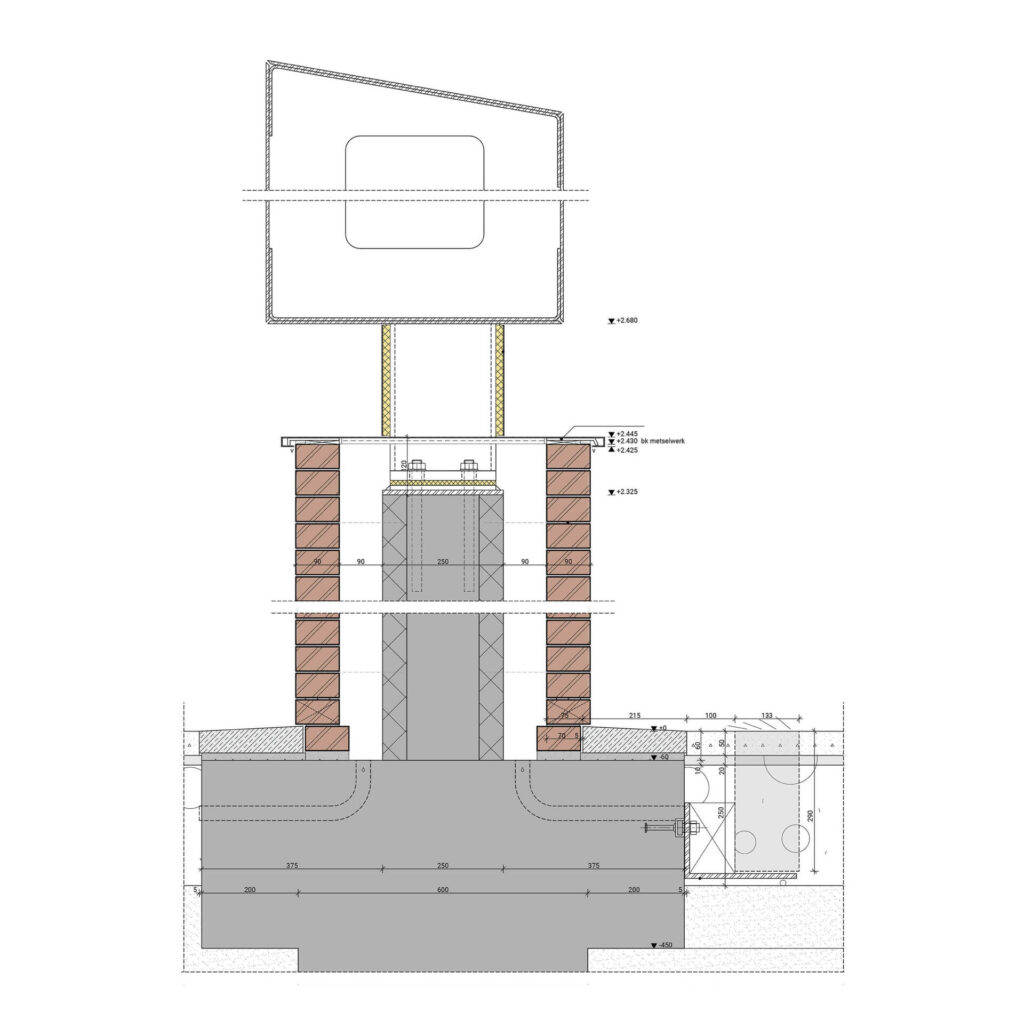
We were in weekly contact with Studio Libeskind to ensure that we stayed as close as possible to the essence of the design. Boltt wanted to know exactly which design aspects were important so that proposed changes that did not meet these criteria could be rejected by the project team right away, allowing us to quickly seek a better solution. The time difference between New York and Amsterdam worked in our favour; issues raised in the afternoon often received a response the very next day, Dutch time.

“It was an honour to develop the technical details of Studio Libeskind’s stunning design. The monument’s detailing was executed with great care and attention, and I am incredibly proud to have contributed to it.”
Margret van den Broek, Senior Technical Designer at Boltt
The result
The National Holocaust Memorial has been completed, to the great satisfaction of all parties. The memorial appears deceptively simple. The four Hebrew characters seem to float above the brick walls engraved with names, but the massive letters, weighing a total of 150 tons, are supported by just 26 columns.
The monument has received much praise for its refined and high-quality craftsmanship, thanks in no small part to the contractor, Koninklijke Woudenberg. All attention is focused on the victims and their families. It has been an honour to work on this project!
client
Dutch Auschwitz Committee
year
2016–2021
services
BIM Design
Project Coordination
Image
Photography by Kees Hummel
collaboration
Studio Libeskind, Rijnboutt, BOUWERY, ABT, AIP Partners, Aumento B.V., IMd Consulting Engineers, Koninklijke Woudenberg, Vekemans Masonry Consulting, Reijnders Engraving and Laser Technology B.V., Rijnboutt, Swart Installation Technology
Looking for technical precision?
Whether it involves large, bold letters or an elegant facade, we provide the technical design to support it. Would you like to know more?
Call Jurriën at 06 – 14 85 35 74
Or feel free to email jurrien@boltt.nu
More work we're proud of at
{"post_type":"case","posts_per_page":"4","post_status":"publish","ignore_sticky_posts":true,"order":"DESC","orderby":"date","s":"","tax_query":[{"taxonomy":"service","field":"term_id","terms":[3,4,6,5]}]}
the question
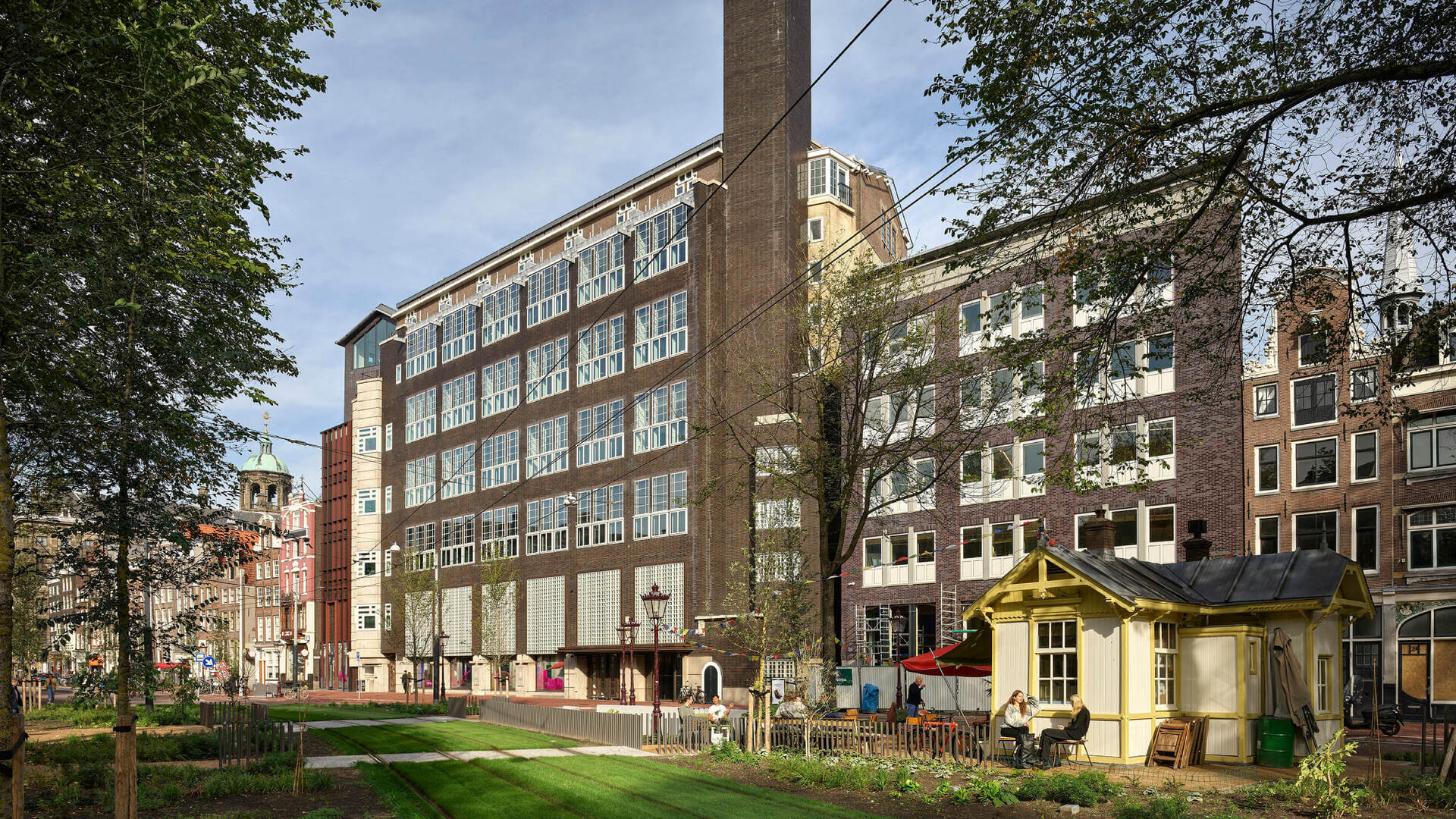
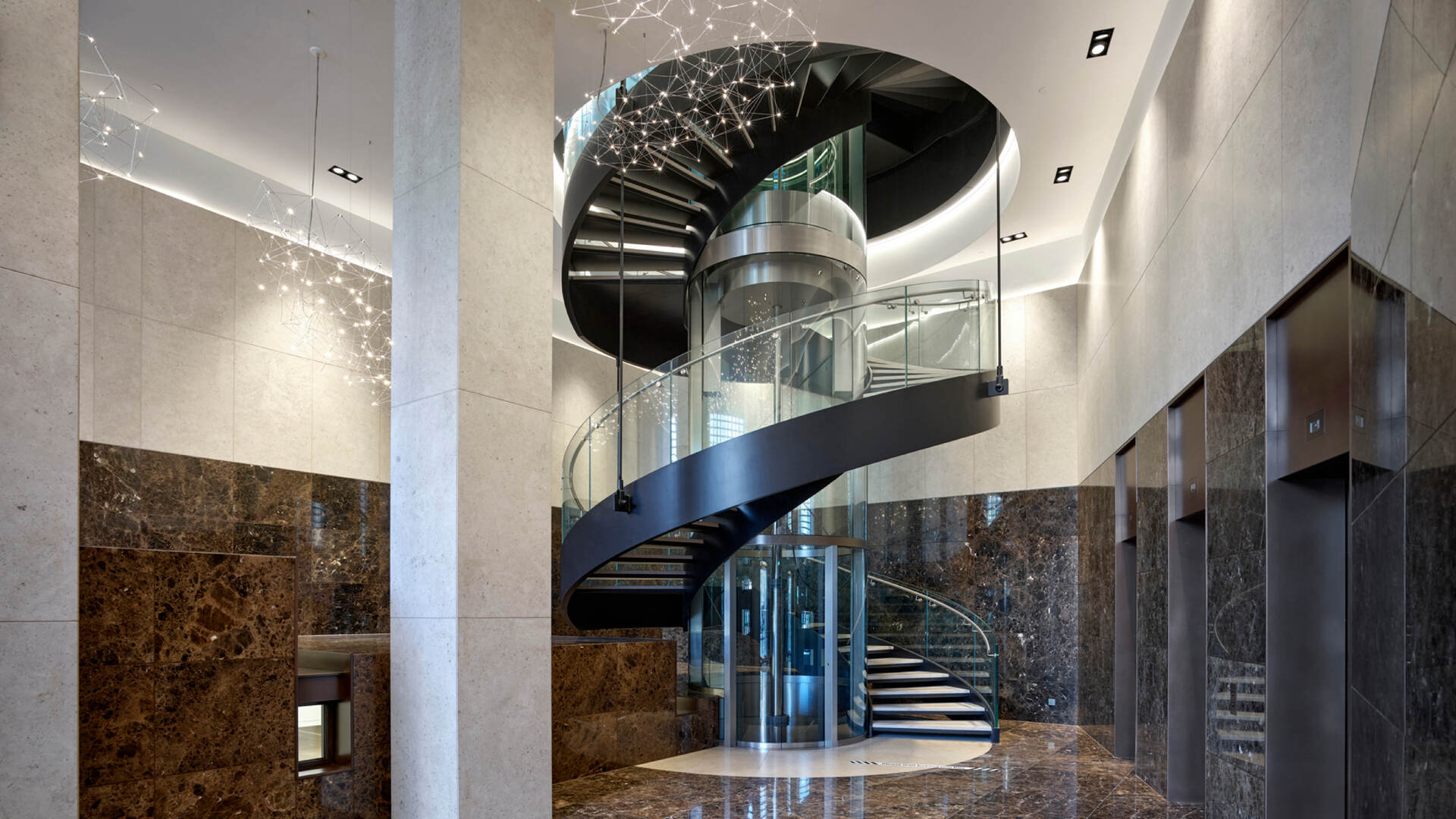
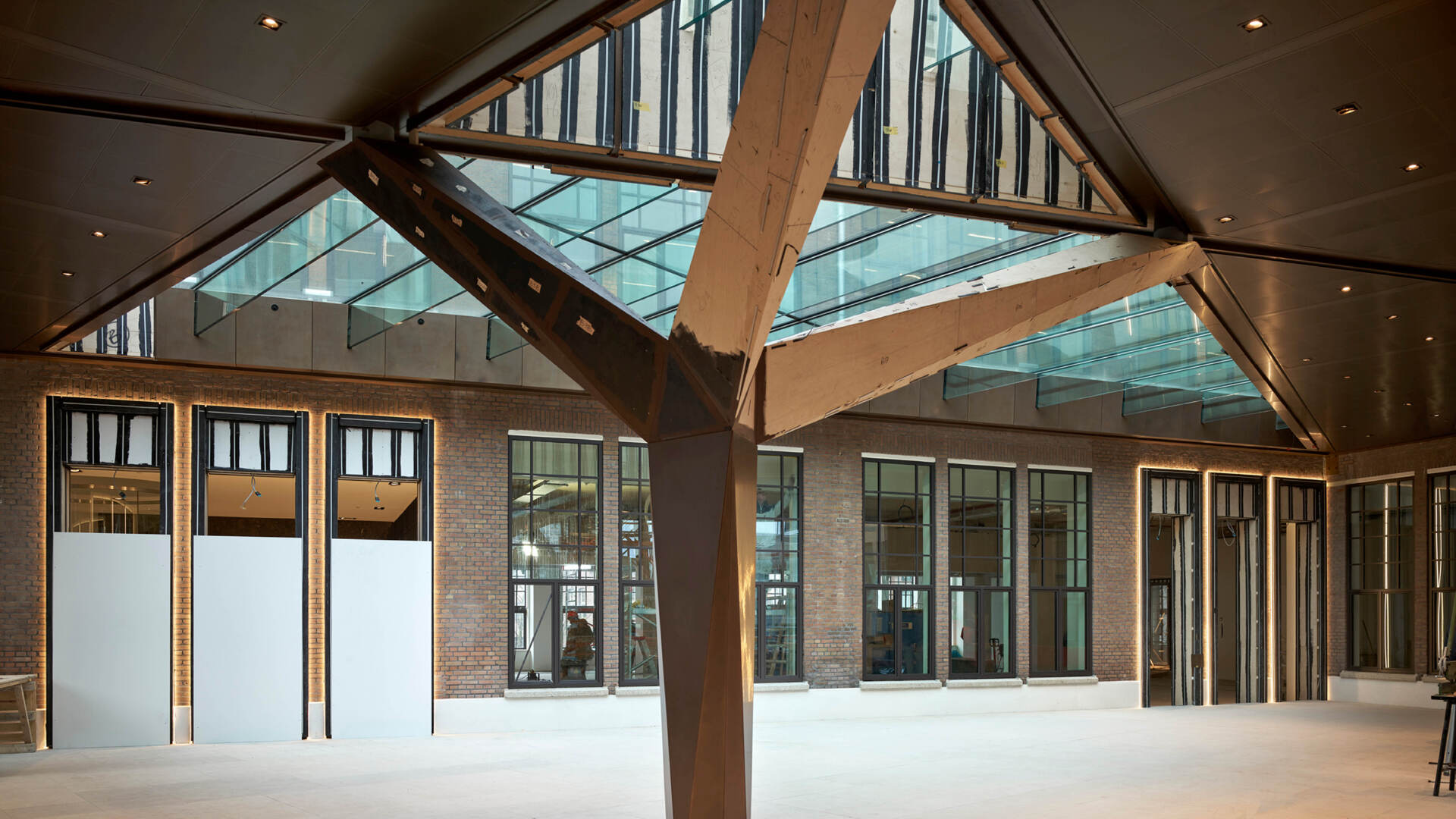
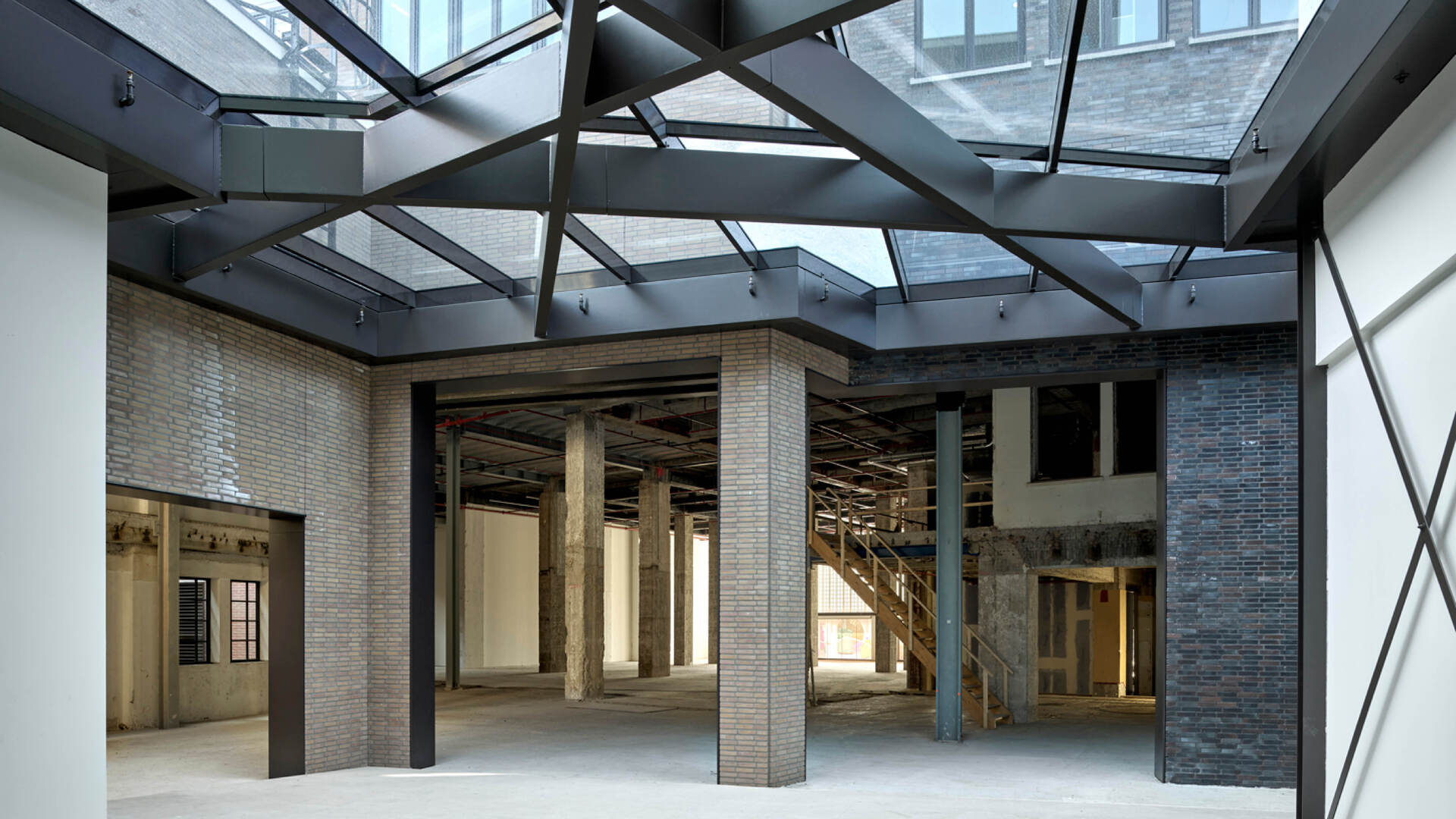
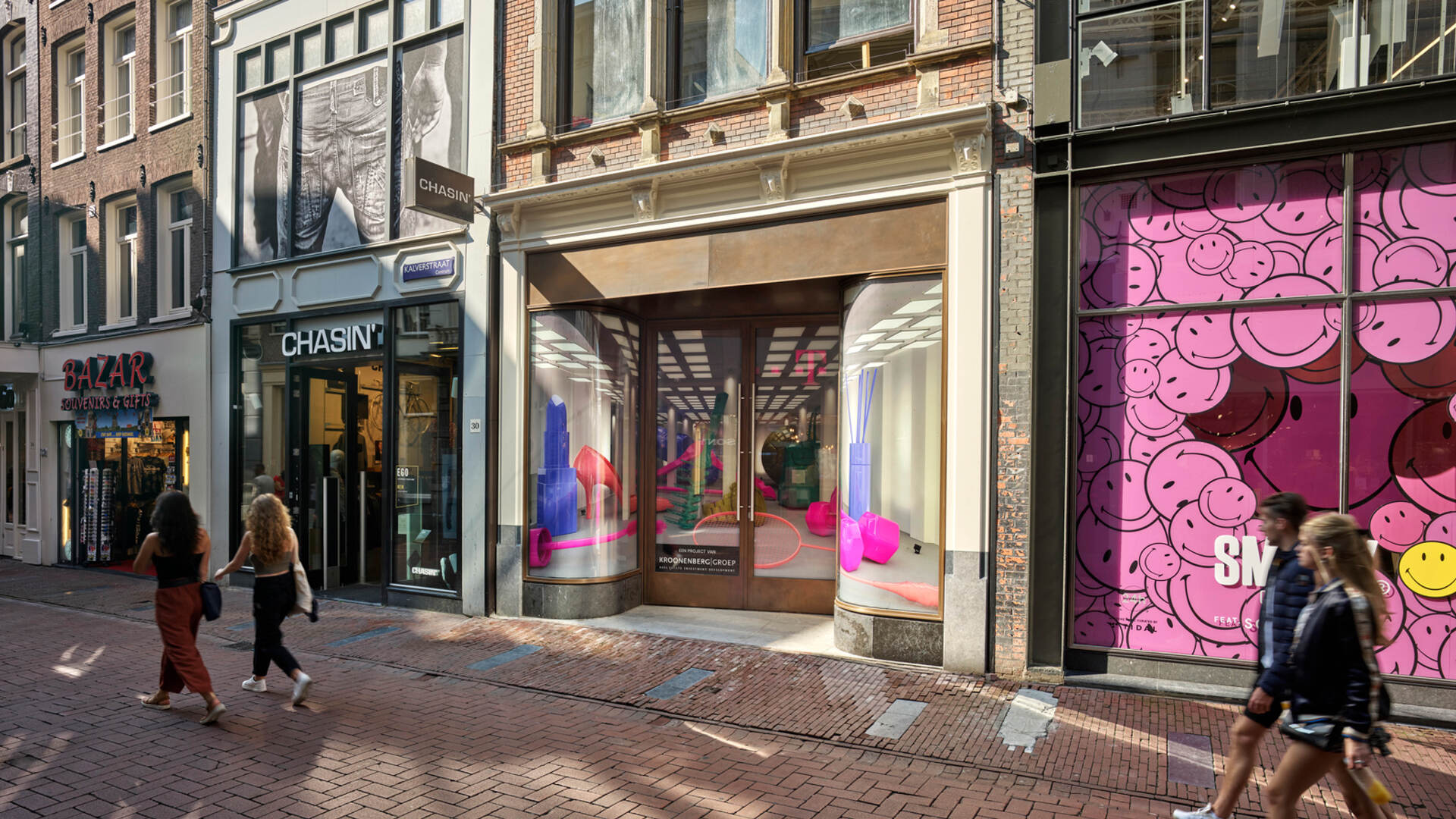
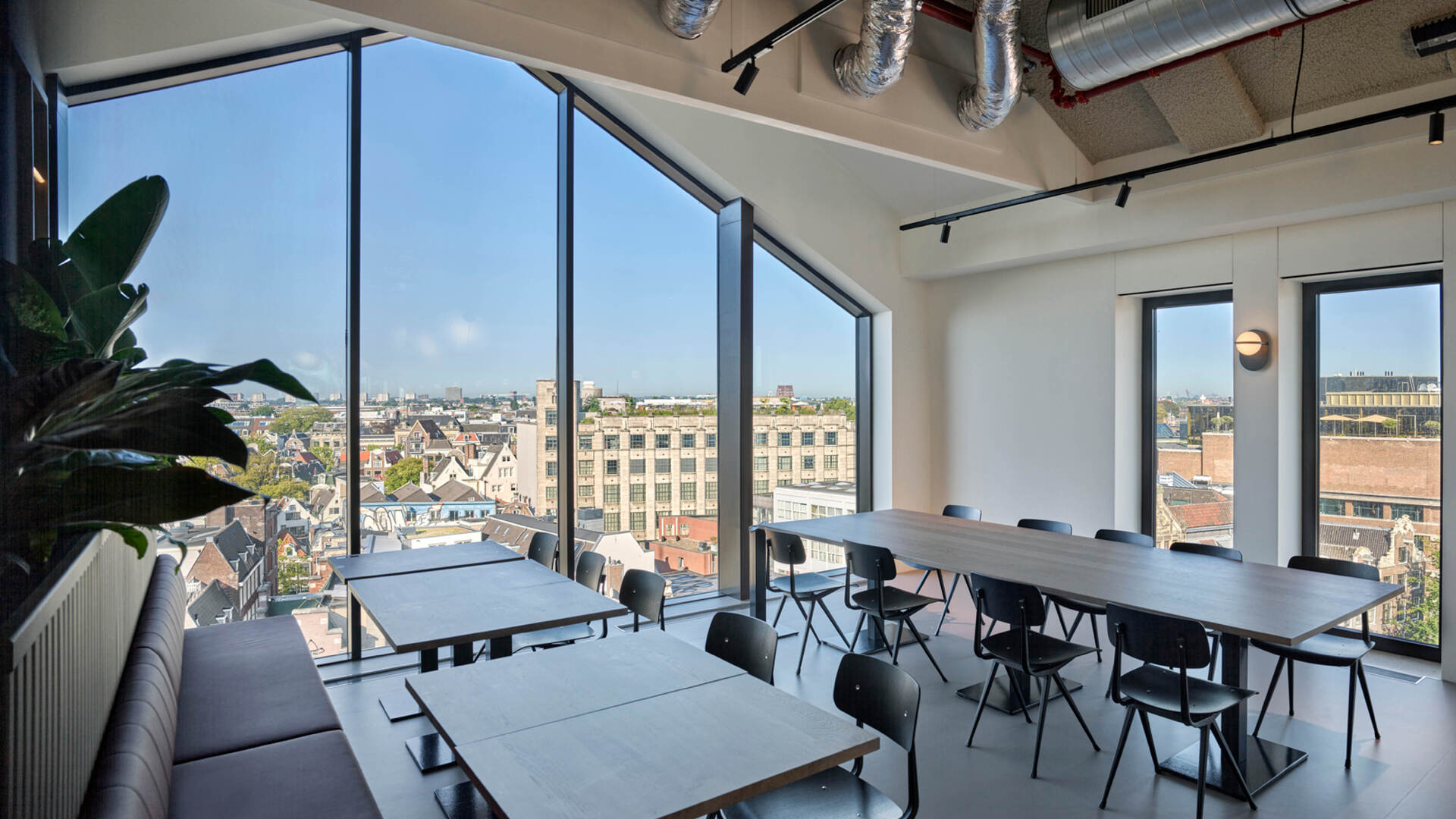
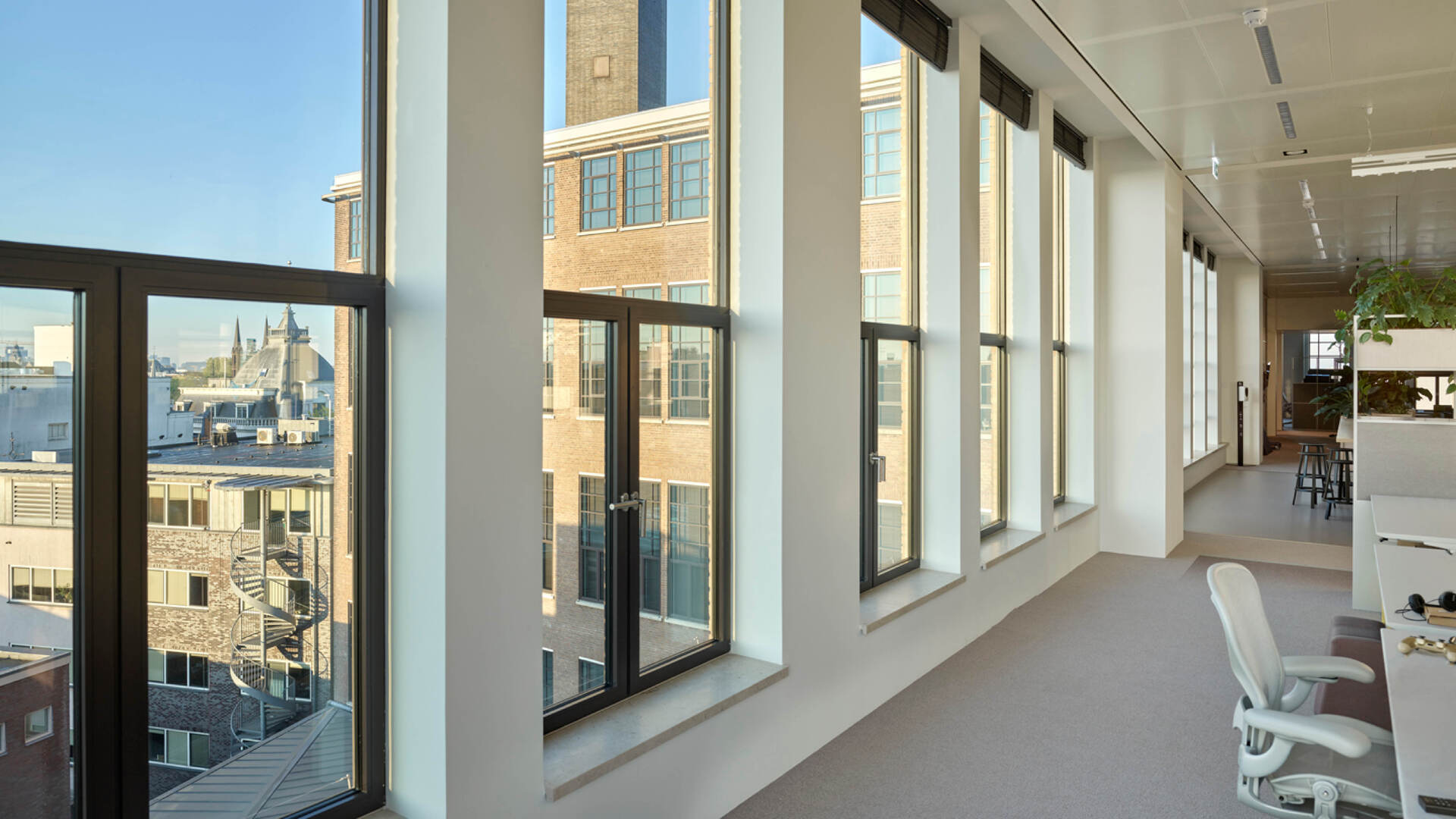
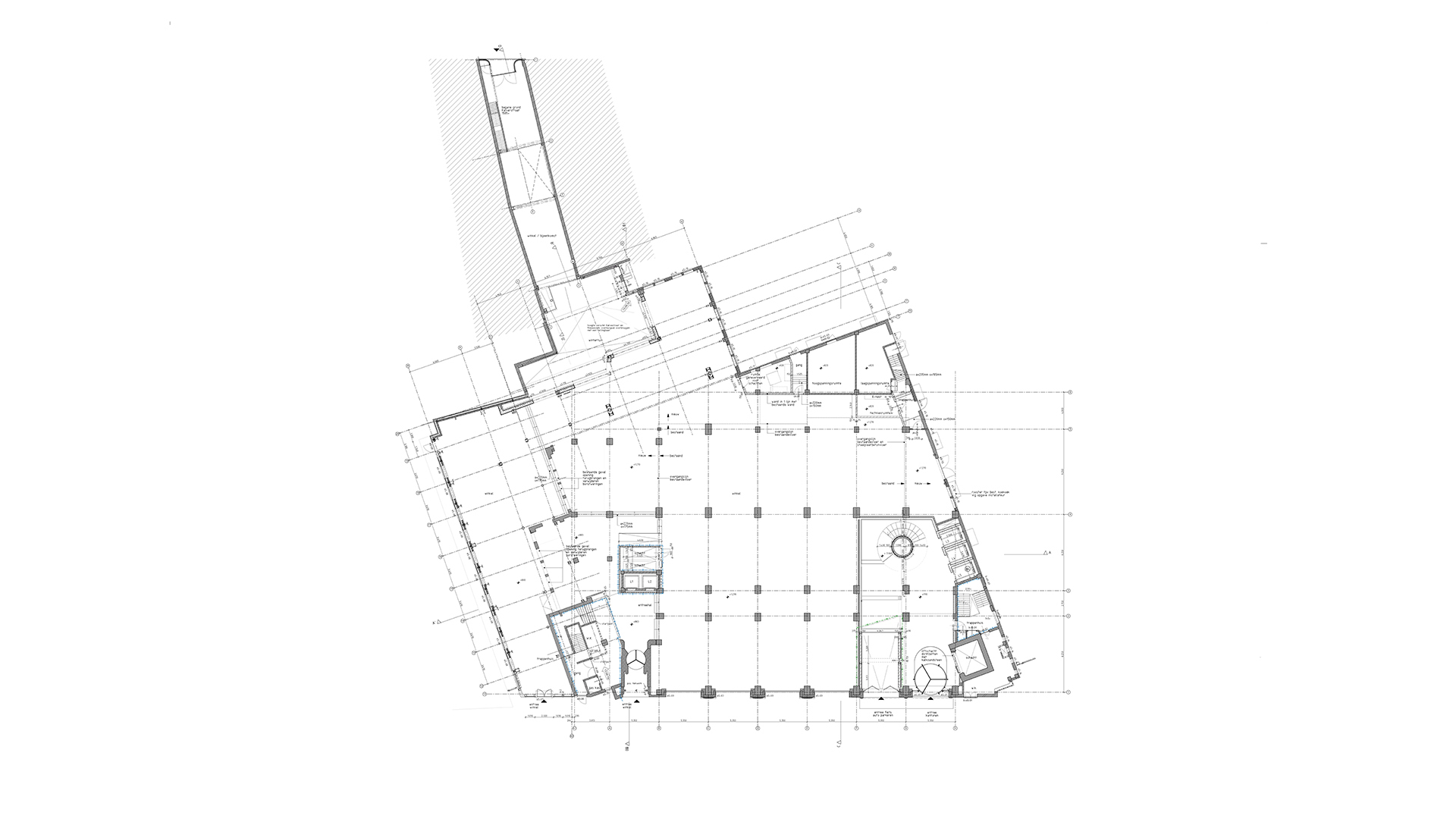
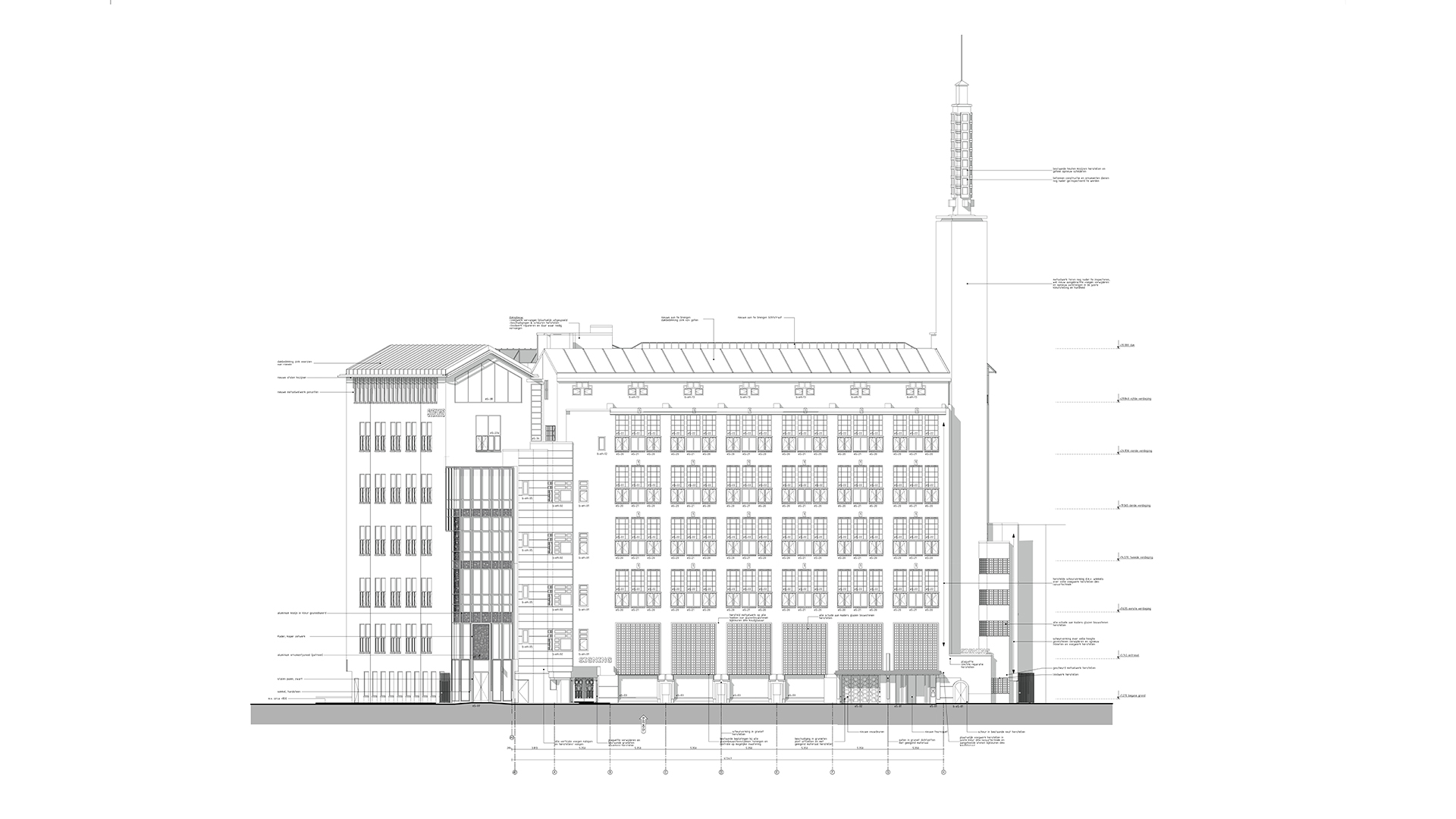
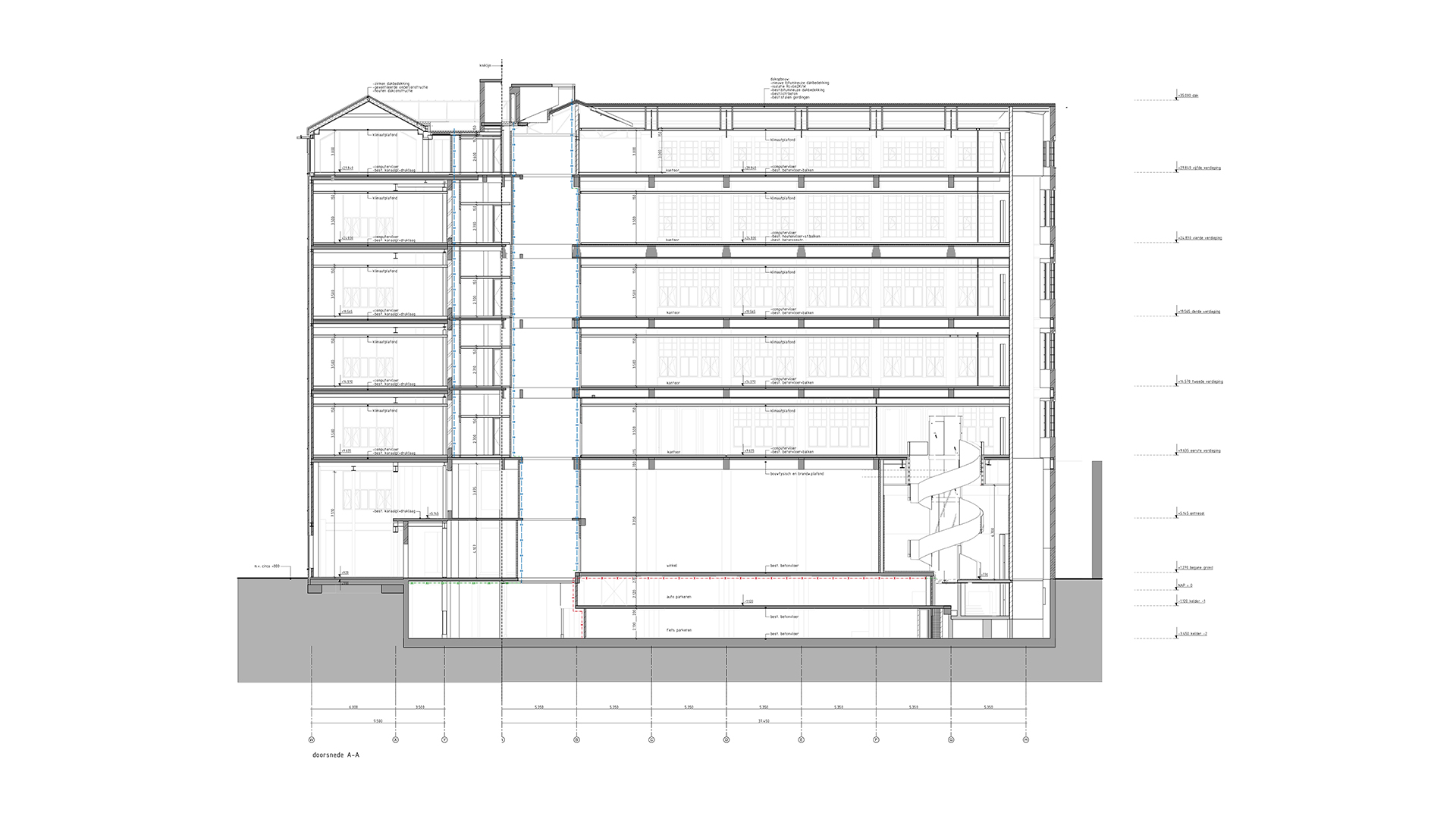
Commissioned by Kroonenberg Groep, the former headquarters and printing plant of De Telegraaf – a national monument dating from 1930 – was renovated and repurposed as sustainable, contemporary offices, retail space and residential units. Design firm Rijnboutt was responsible for the design of the transformation, while Boltt handled project coordination, the BIM strategy and the technical detailing.
the approach
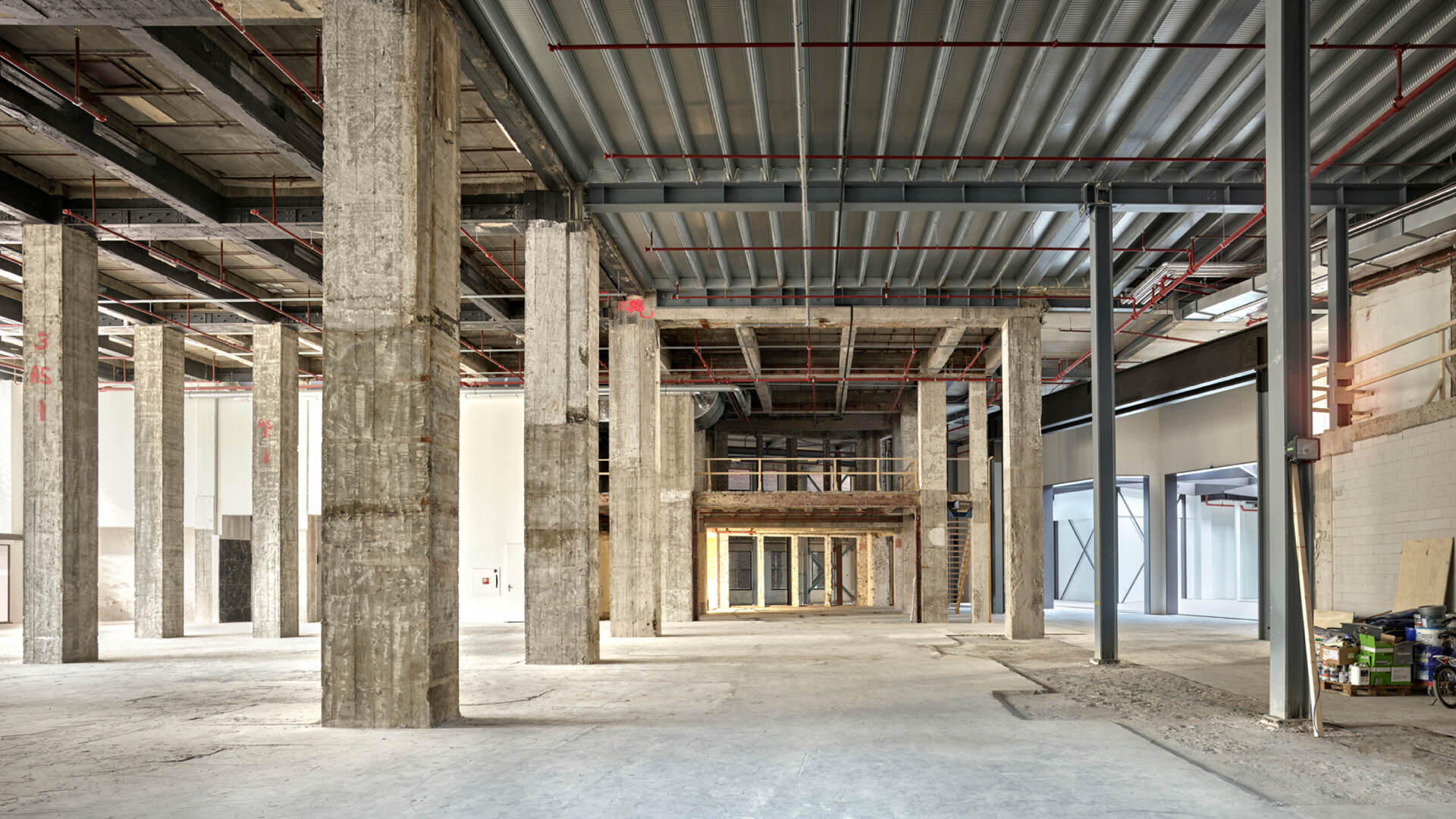
Using archival drawings, historical photographs, point clouds and drone imagery, the condition of the building was mapped at every level. This information was then incorporated into an integrated 3D model showing both the existing building and the proposed design.
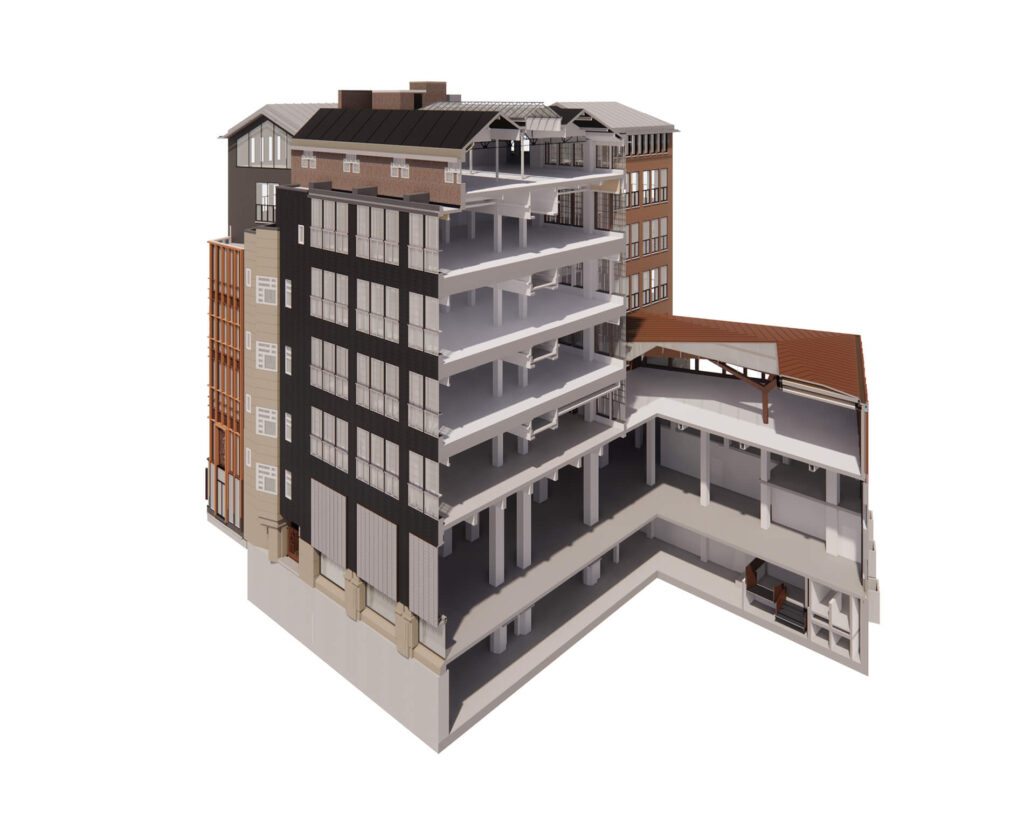
The structural engineer’s archival drawings formed the starting point for the model, while contractor BAM was involved at an early stage in producing 3D as-built surveys and point clouds. This made it possible to verify whether the level data in the point clouds corresponded with the archival drawings. Cross-sections through the point clouds also revealed the extent of the building’s tilt and whether individual components were out of plumb.
To gain a more detailed understanding of the building’s condition, we used high-resolution drone photographs of the full exterior. By comparing these with historical images and archival drawings, we were able to distinguish between original and later elements. This made it possible, for example, to determine that part of the first floor could be demolished. The historical material also helped identify elements that were not shown in the drawings, as well as details that had been replaced over time. One example is the steel windows with opening sections, which were reintroduced in the new design.
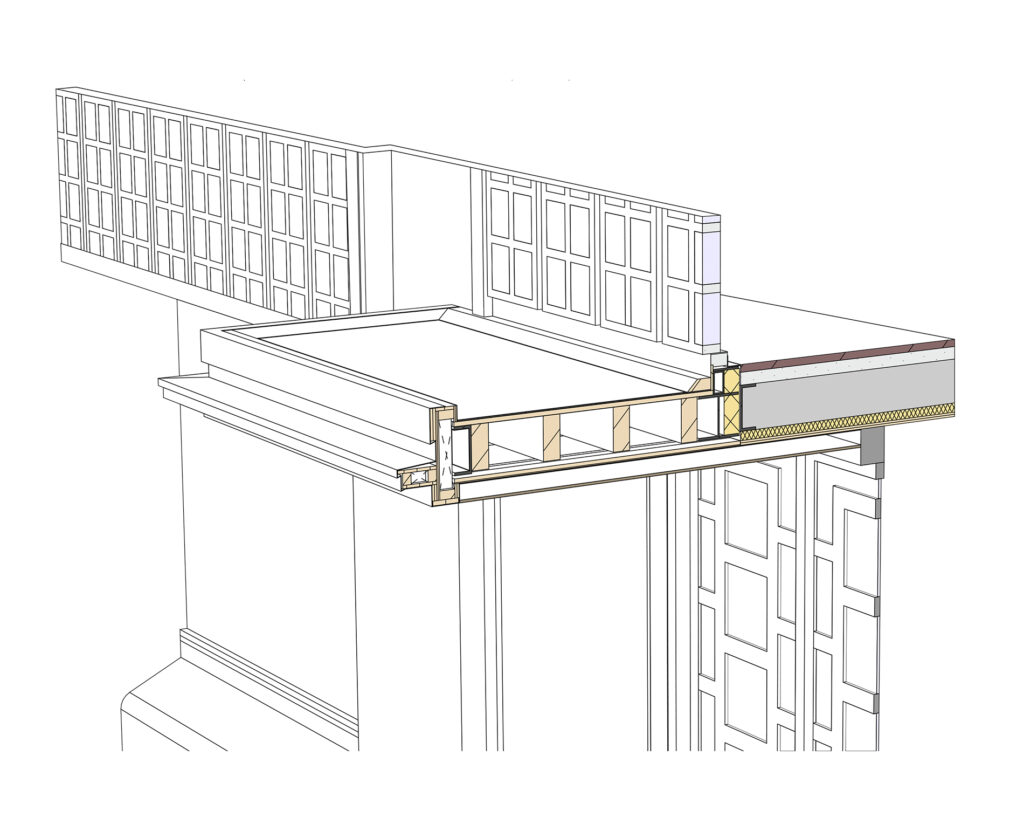
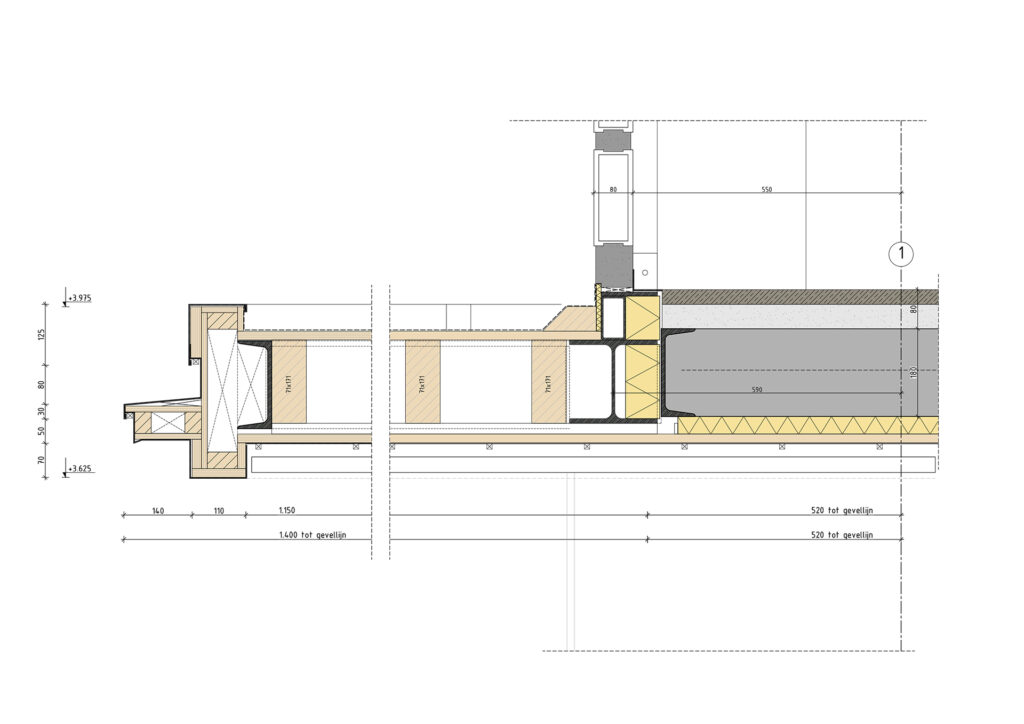
BIM was actively used as a communication tool between the contractor, architect, structural engineer and subcontractors. Using the Archicad renovation filter, we were able to clearly distinguish in the 3D model between existing elements, demolition work and new interventions. The same applied to load-bearing and non-load-bearing components, material properties, interior and exterior elements, and NL/SfB codes. The steel supplier also used the model as the basis for sizing its components.
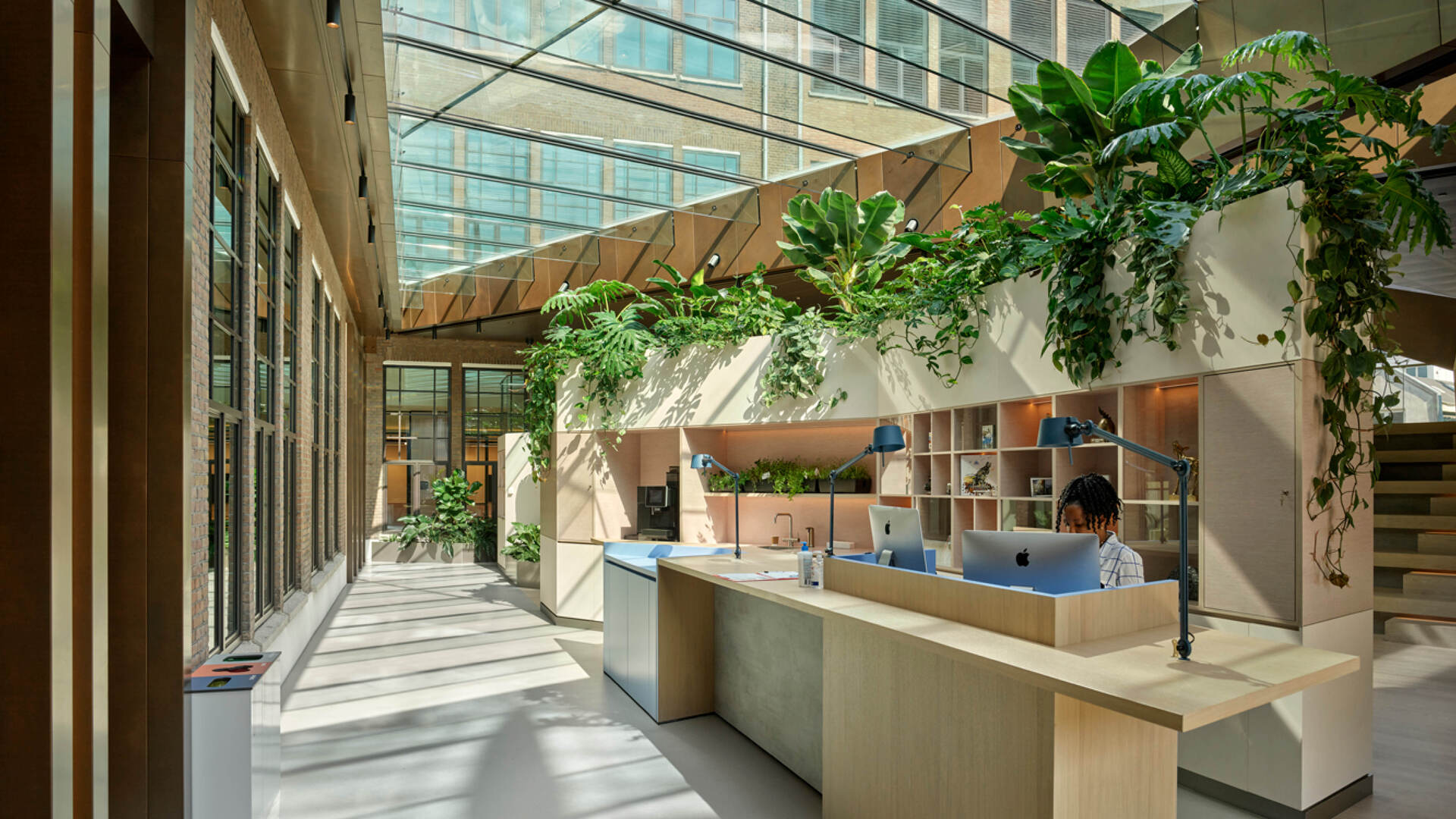
“I greatly enjoyed working on the technical design of the atrium and the winter garden. The tree-shaped column in particular was a rewarding challenge.”
Margret van den Broek, Senior Technical Designer at Boltt
The result
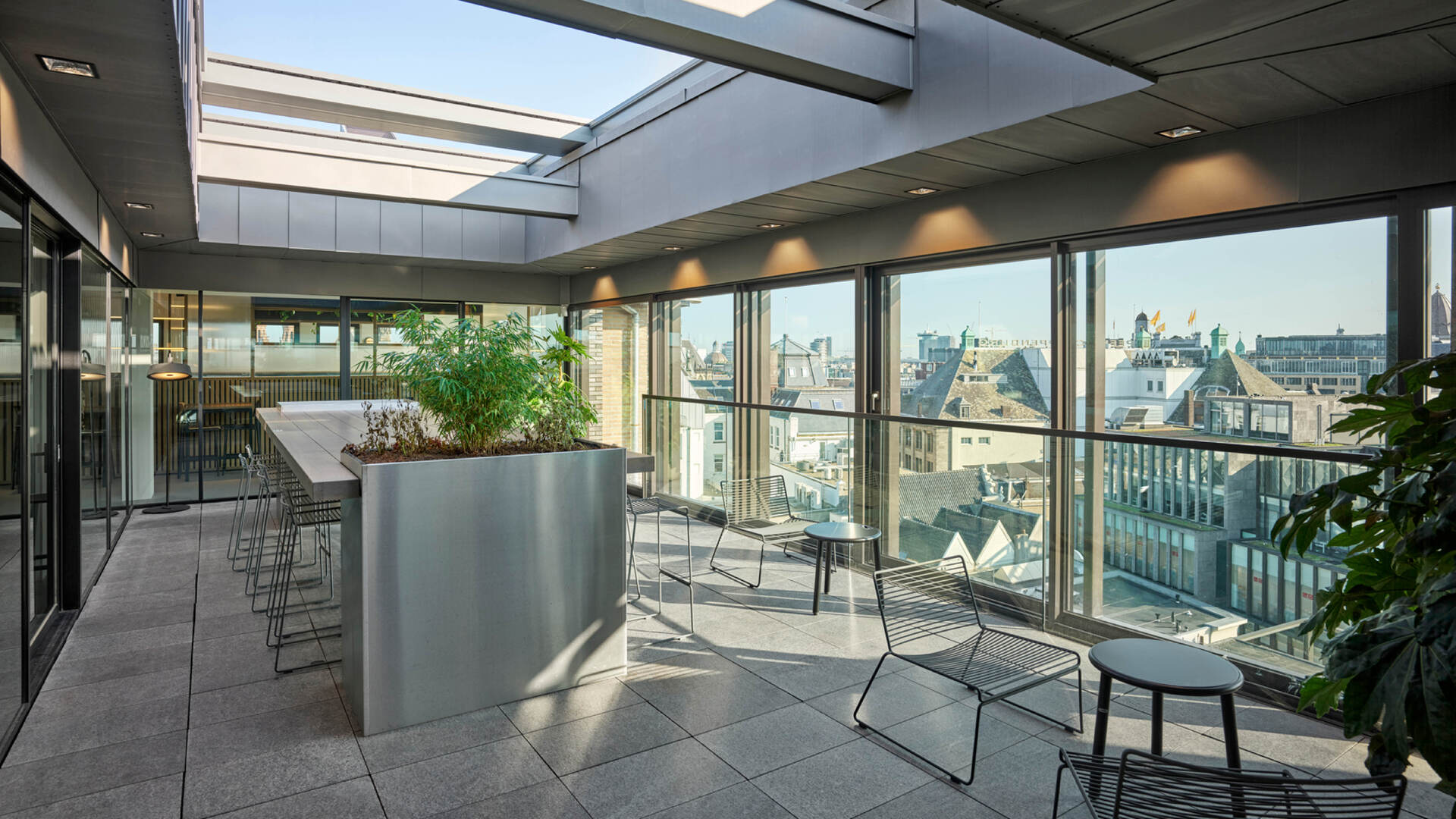
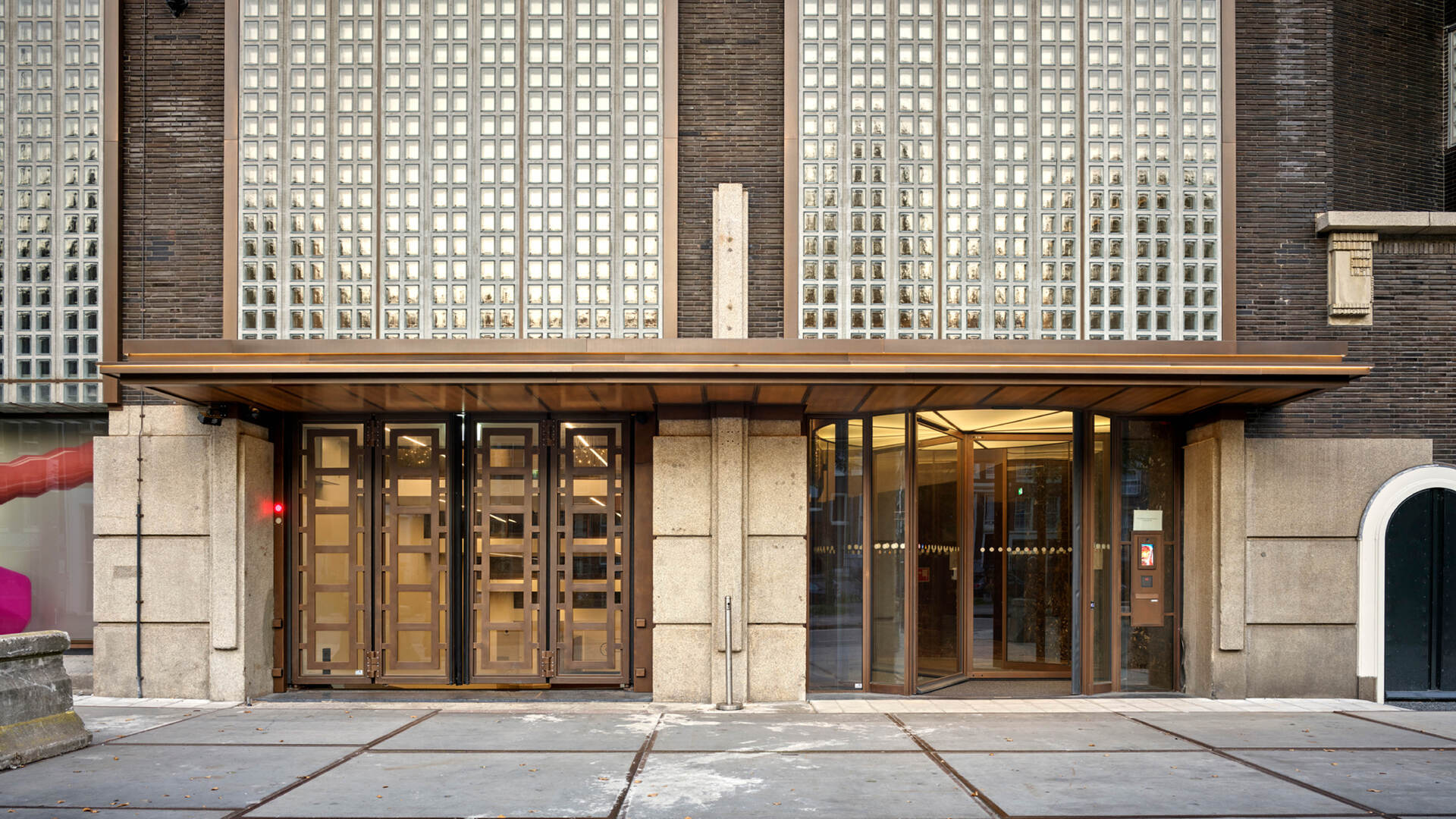
Although the building has been given a new mix of uses, the transformation has restored much of its original character.
Attention was given to a number of historic details. The inward-tapering rectangular glass panes, for example, replaced later framed square panes. The canopy and ornamental railing were also restored. Although no drawings of these elements had survived, historical photographs made it possible to reconstruct the original detailing.
client
Kroonenberg Group
year
2016–2020
services
BIM Development
Plan Optimization
Project Coordination
Image
Photography by Kees Hummel
collaboration
BAM Bouw en Techniek bv, CBRE, IMd Consulting Engineers, Nelissen Engineering, Octatube, Rijnboutt, VB&t
Work out the details of the transformation?
Whether the project involves a historic building or an existing structure, we provide the technical detailing needed to support the transformation. Would you like to know more?
Call Jurriën at 06 – 14 85 35 74
Or feel free to email jurrien@boltt.nu
More work we're proud of at
{"post_type":"case","posts_per_page":"4","post_status":"publish","ignore_sticky_posts":true,"order":"DESC","orderby":"date","s":"","tax_query":[{"taxonomy":"service","field":"term_id","terms":[3,4,6,5]}]}